Dam Square
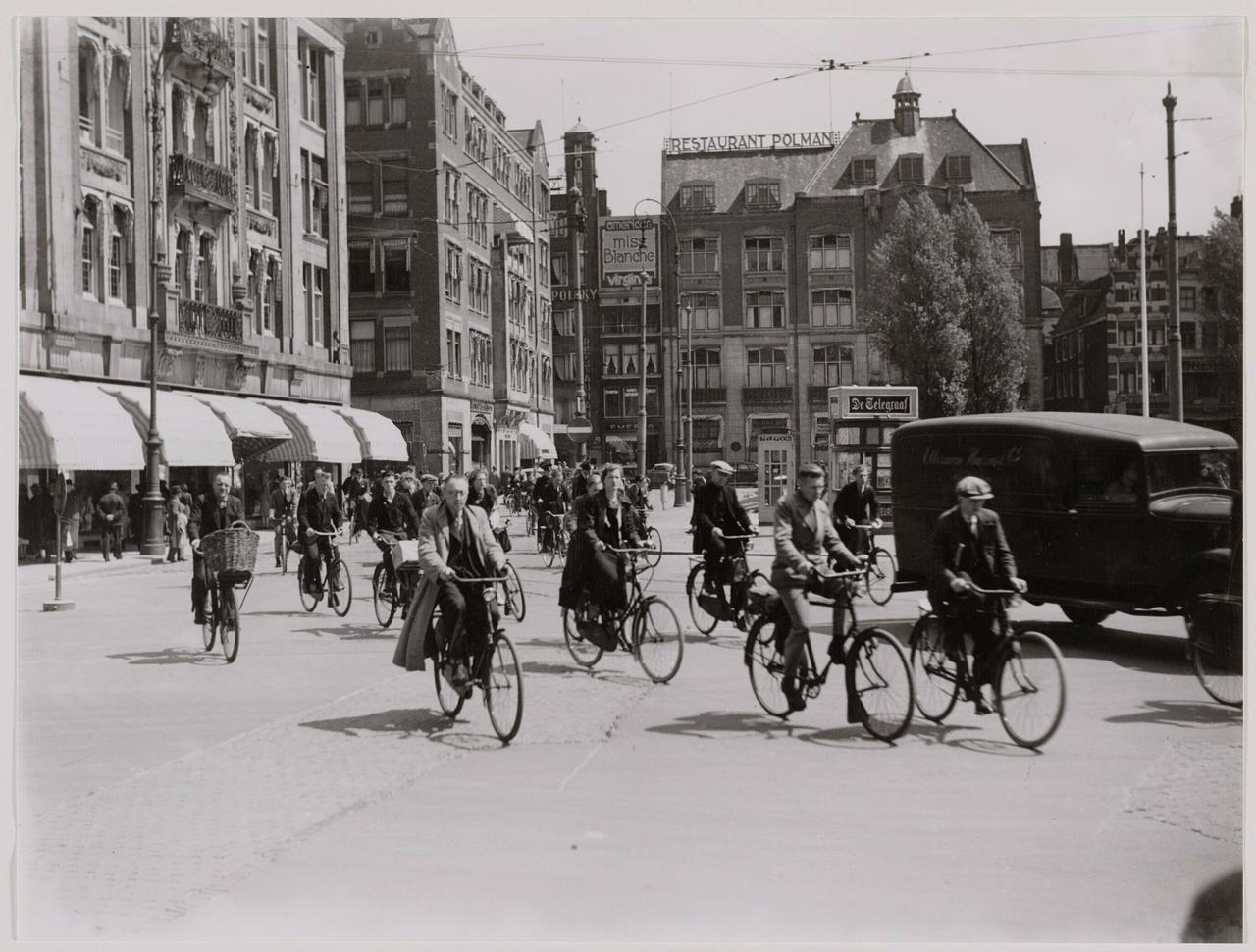
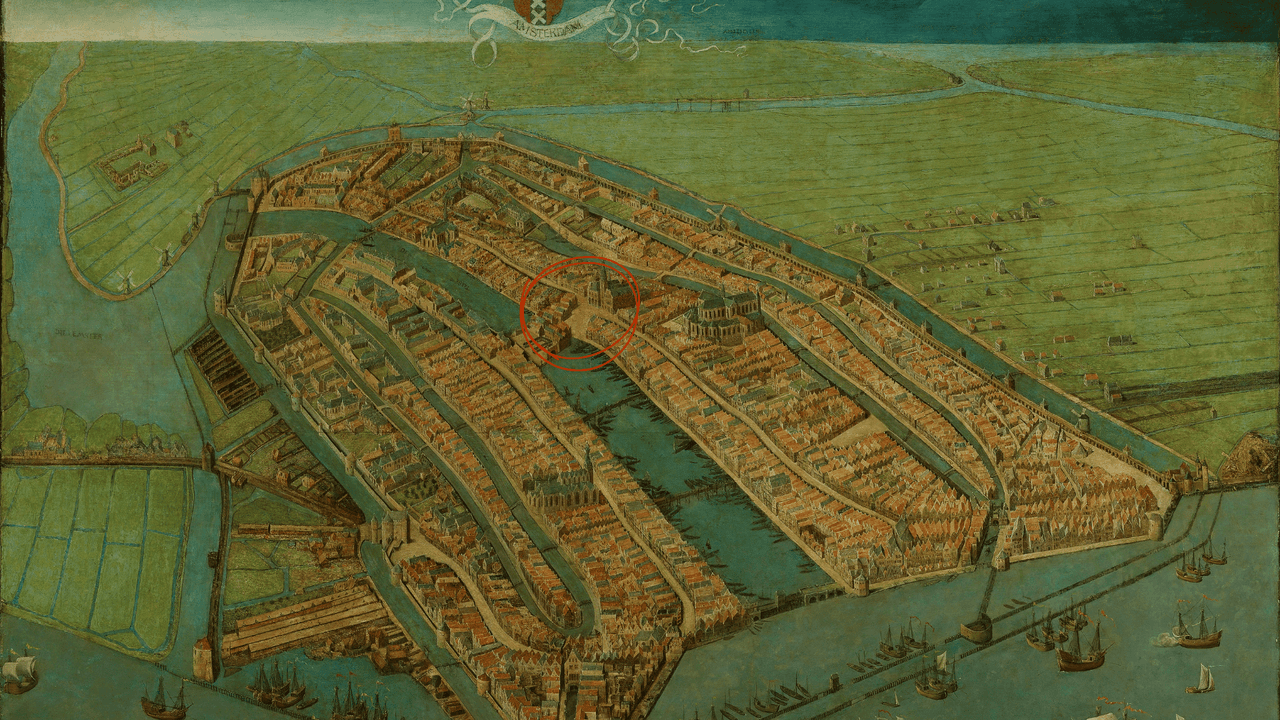
Fish was sold here, and figs, and soap, and anything else a ship could bring ashore. The square you are standing on was the city market for centuries, divided into parts with names of their own: the western half was the Plaetse, the eastern half the Middeldam. Underneath it all lies the dam itself, laid across the Amstel around 1270, which made this place Aemstelledamme and later simply Amsterdam.
For a long time a weigh house stood in the middle of the square, a heavy building where every cargo was weighed. Louis Napoleon, who had turned the town hall into his palace, decided the thing spoiled his view and had it demolished in 1808. The scales moved elsewhere and the square stayed empty, much as you see it now.
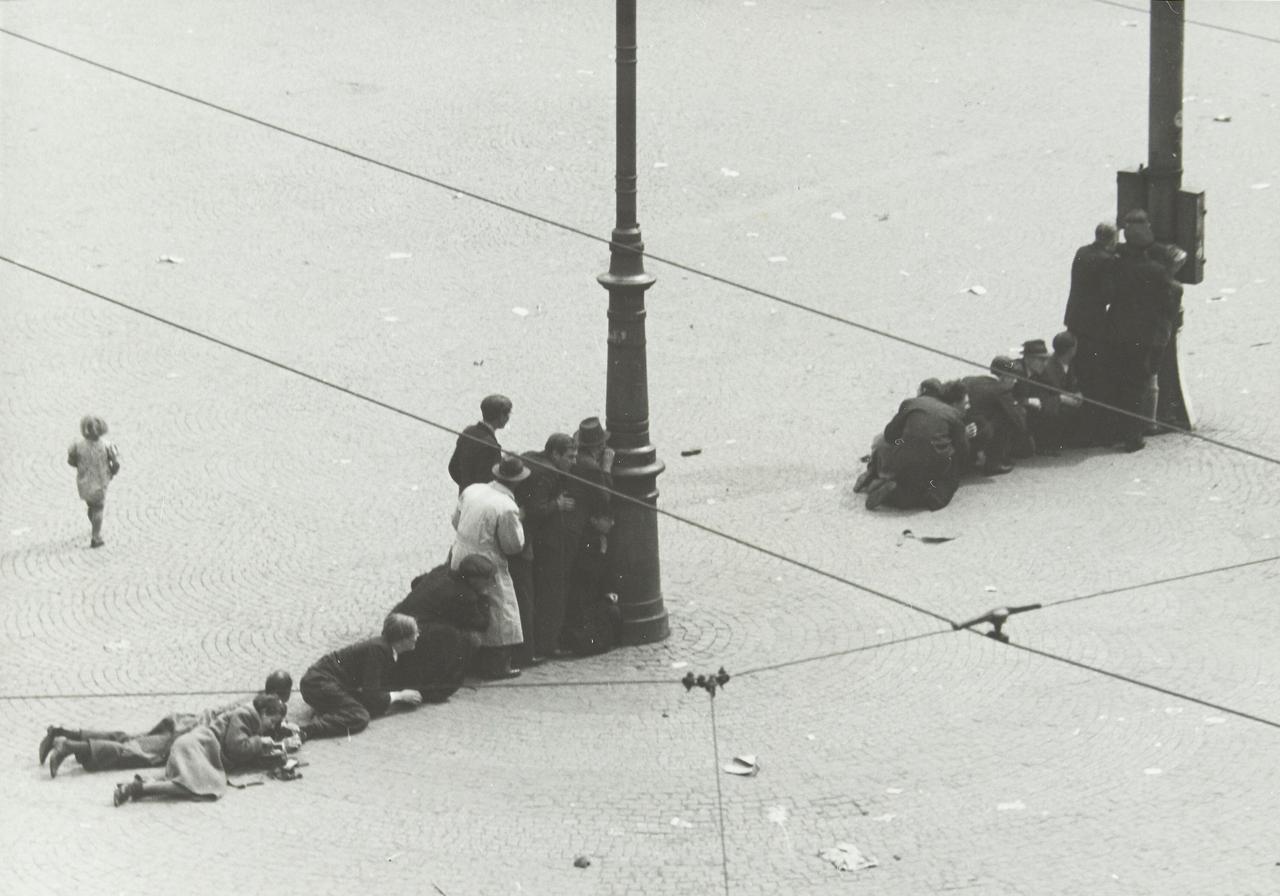
The white column on the eastern side has stood there since 1956, for the victims of the war. Every year on 4 May the whole country falls silent here for two minutes. The spot has a reason of its own: on 7 May 1945, two days after the liberation, German soldiers fired into the square from a club on the far side while thousands stood waiting to celebrate. Thirty two people were killed.
We cross to the western side and walk along the front of the palace, as far as the church beside it.
Any feedback for this story?