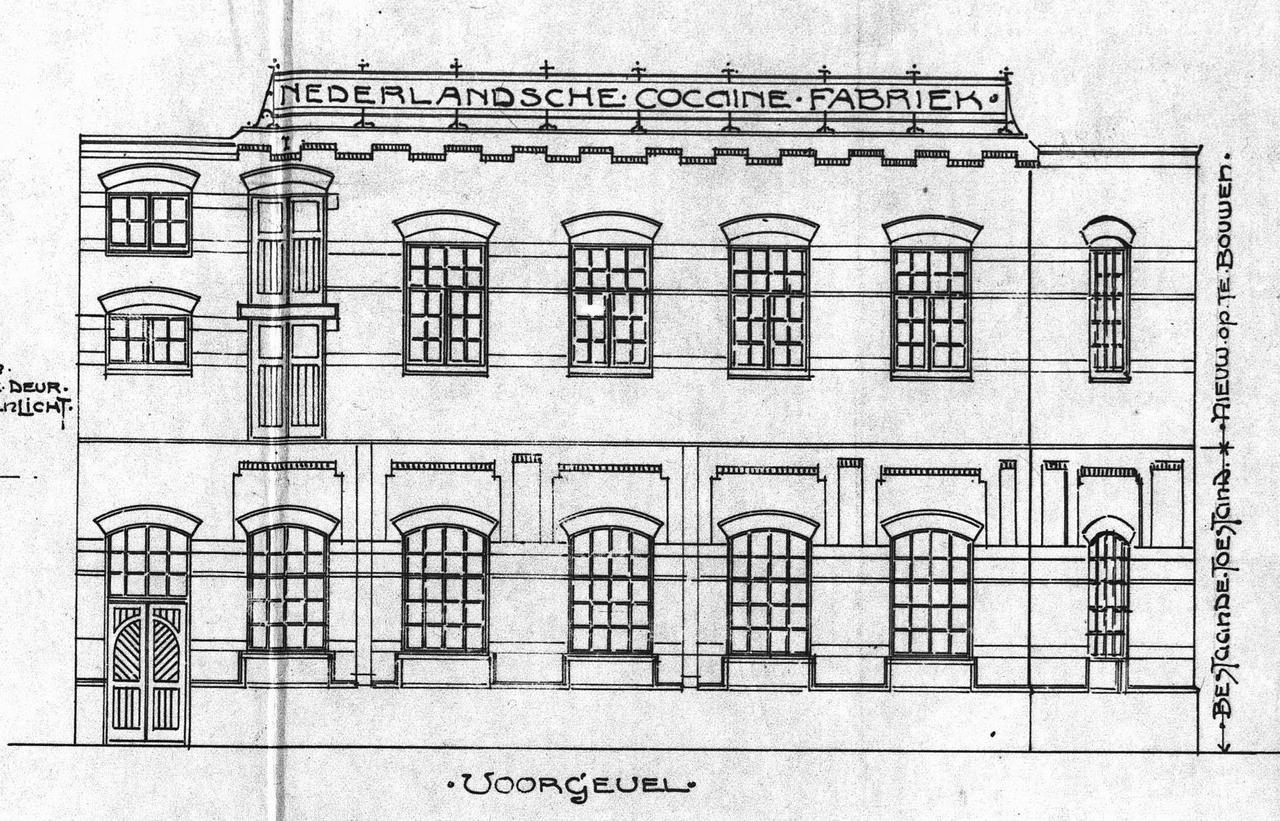
Dutch Cocaine Factory
This perfectly ordinary street in the south of Amsterdam held, from 1900 onwards, a factory that made the Netherlands a world name in a trade the country now prefers to keep quiet about. The Nederlandsche Cocaïnefabriek worked here entirely within the law and grew into one of the largest suppliers on earth.
In those years cocaine counted as ordinary medicine. Doctors used it to numb their patients, chemists sold it over the counter, and during the First World War soldiers were given it to stay awake and push their fear down. The raw material came from the Dutch East Indies, where coca was grown on plantation scale in Java and the leaves were shipped half a world west to Amsterdam.
While one country after another tightened its laws, the factory here kept running for decades. The ban arrived in the nineteen-sixties, the cocaine line closed, and the building carried on making other pharmaceuticals until 1997.
The substance stayed. Cocaine is among the most widely used illegal drugs in the country, arriving by the tonne through the port of Rotterdam, tucked between containers of fruit and metal. The fight over that market brings a violence Amsterdam knows well, and it all started here, in a factory with a licence on the wall.
Any feedback for this story?