The park that was drawn
You are standing at the edge of an open lawn, and this grass lies here because somebody planned it that way. Well into the nineteenth century the land along the Overtoomseweg was meadow, with cows on it and the city ending behind.
In 1864 an association of well-to-do Amsterdammers bought a broad strip of that meadow. They called themselves the Vereeniging tot Aanleg van een Rij- en Wandelpark, the association for a park to ride and stroll in, and the best known among them was Christiaan Pieter van Eeghen, a banker and chairman of the board of the Dutch central bank. Haarlem and The Hague already had a public park, while Amsterdam still made do with the Plantage.
The landscape architect Jan David Zocher drew the eastern half and his son Louis Paul finished the west. What looks like nature was designed down to the bends in the paths: winding walks, stretches of water with little islands, open meadows with sight lines running through them, and stands of trees that close off the view at exactly the right moment. The park kept growing in stages until 1877.
At its opening in 1865 it was called the Nieuwe Park. Two years later a statue arrived, and the name the public used from then on is the name that stuck.
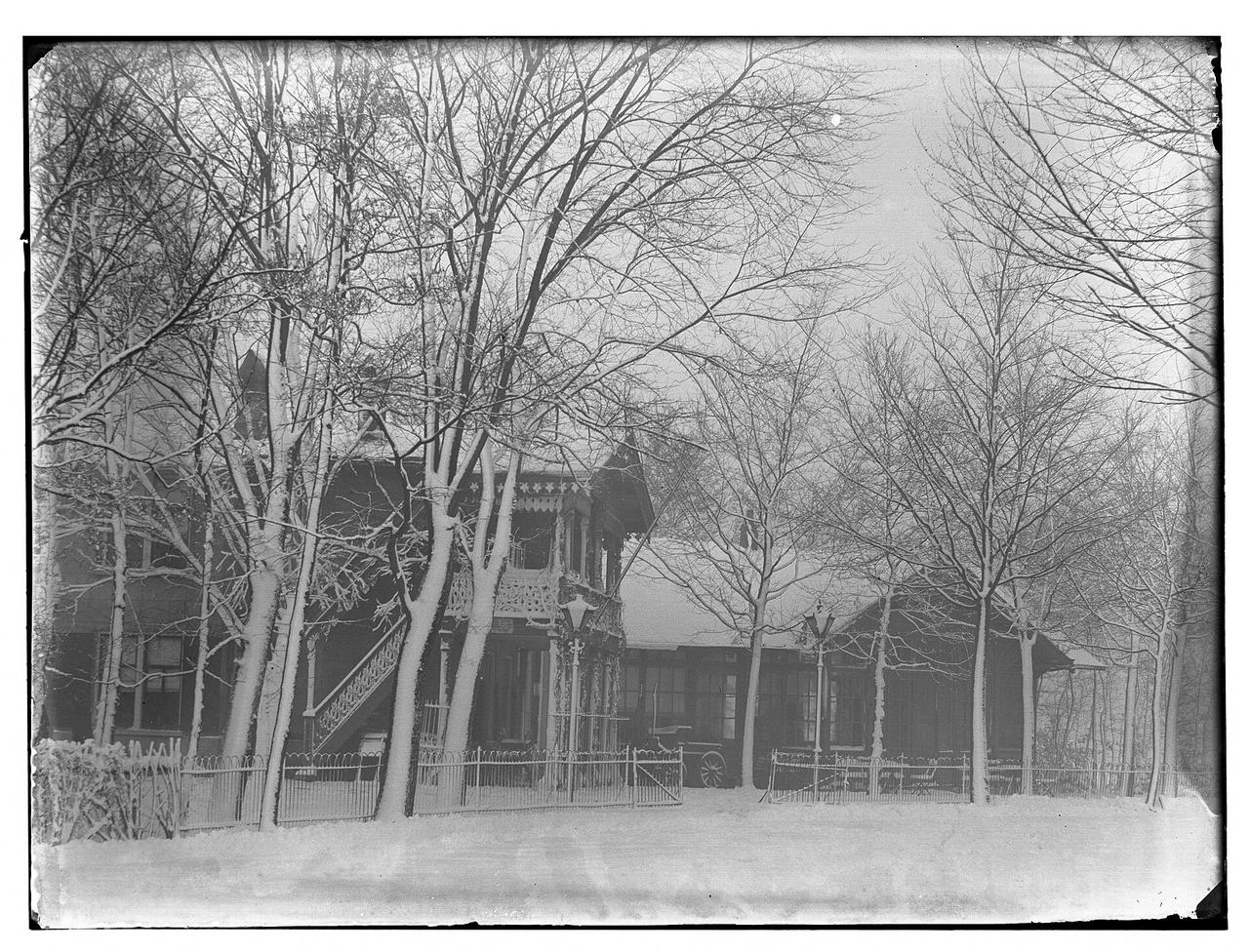
Follow the path deeper into the park, along the water, until a large pale building with a balcony appears among the trees on your right.
Any feedback for this story?