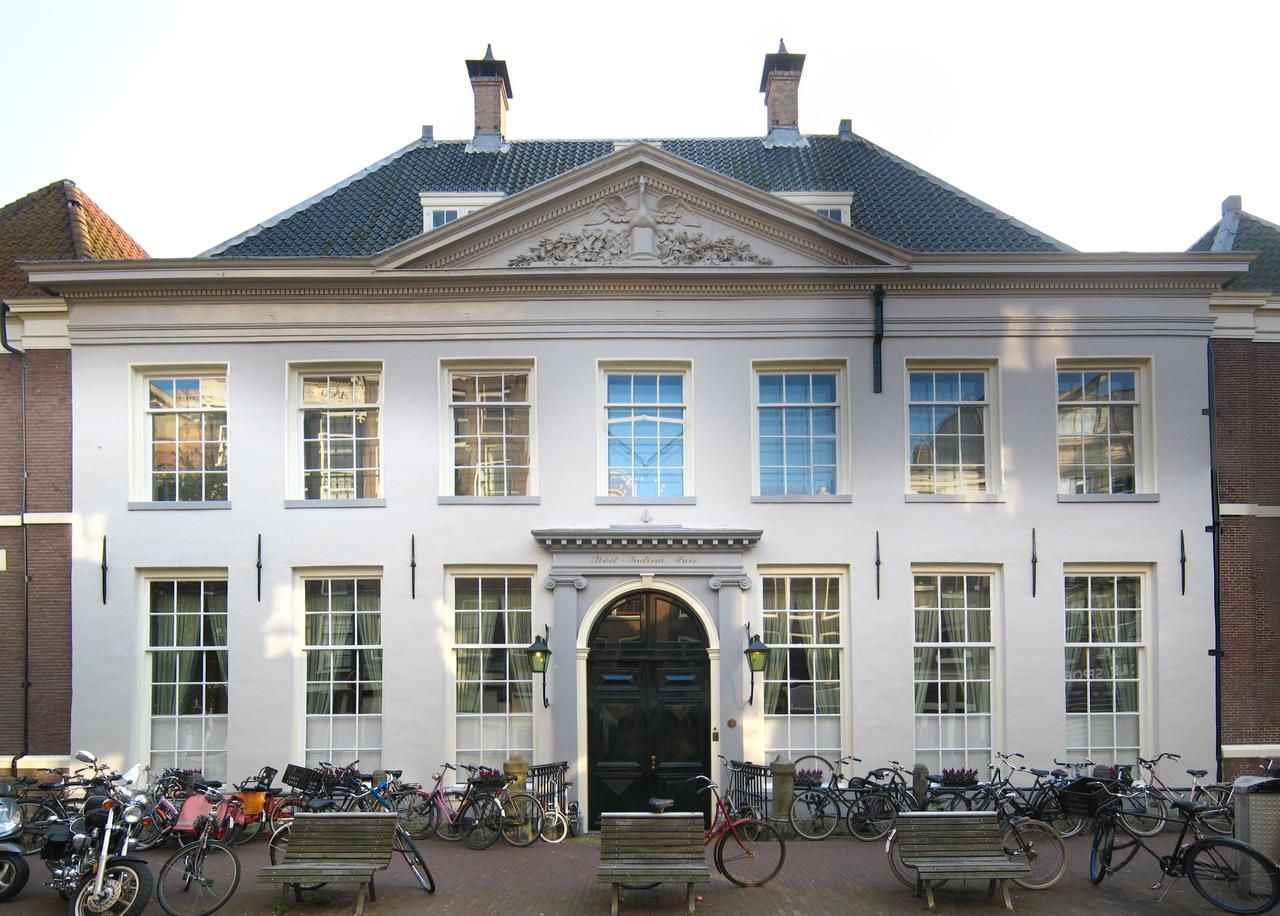
Het West-Indisch Huis
On the Herenmarkt stands a broad building with a gateway leading through to a courtyard. It went up in 1617 as a meat hall with quarters for the civic guard above it, and from 1623 it housed the head office of the Dutch West India Company.
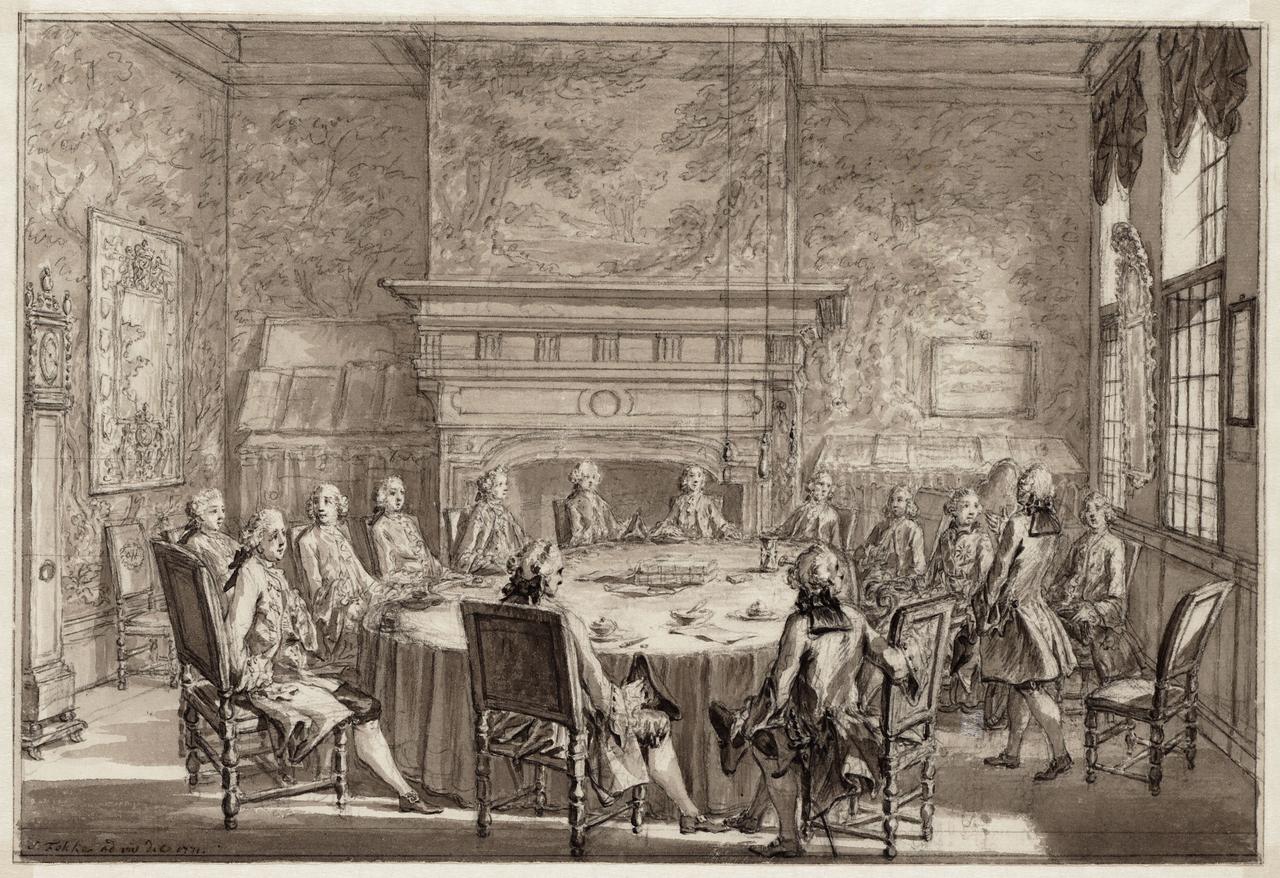
The company had been granted a monopoly in 1621 by the States General on trade with West Africa, South America and the Caribbean, along with orders to take territory there. Sugar, tobacco and cocoa came this way. On the route out, the company traded enslaved people from West Africa to the plantations across the ocean, and that is what weighs heaviest on its name today.
In the boardrooms behind this façade, the decision was taken in the 1620s to build a fort on the tip of Manhattan. The settlement around it was called New Amsterdam, until the English turned it into New York in 1664.
Shortly before that, in 1628, Piet Hein captured the Spanish silver fleet off Cuba. The haul was shipped to Amsterdam and lay under heavy guard in the cellars of this house, millions of guilders in silver beneath a building where meat had been sold not long before.
Through the gateway you can see the courtyard, where Peter Stuyvesant stands in bronze. He was the last director of New Amsterdam, and the man who had to hand his city over to an English fleet.
Any feedback for this story?