Jan Rudolph Thorbecke
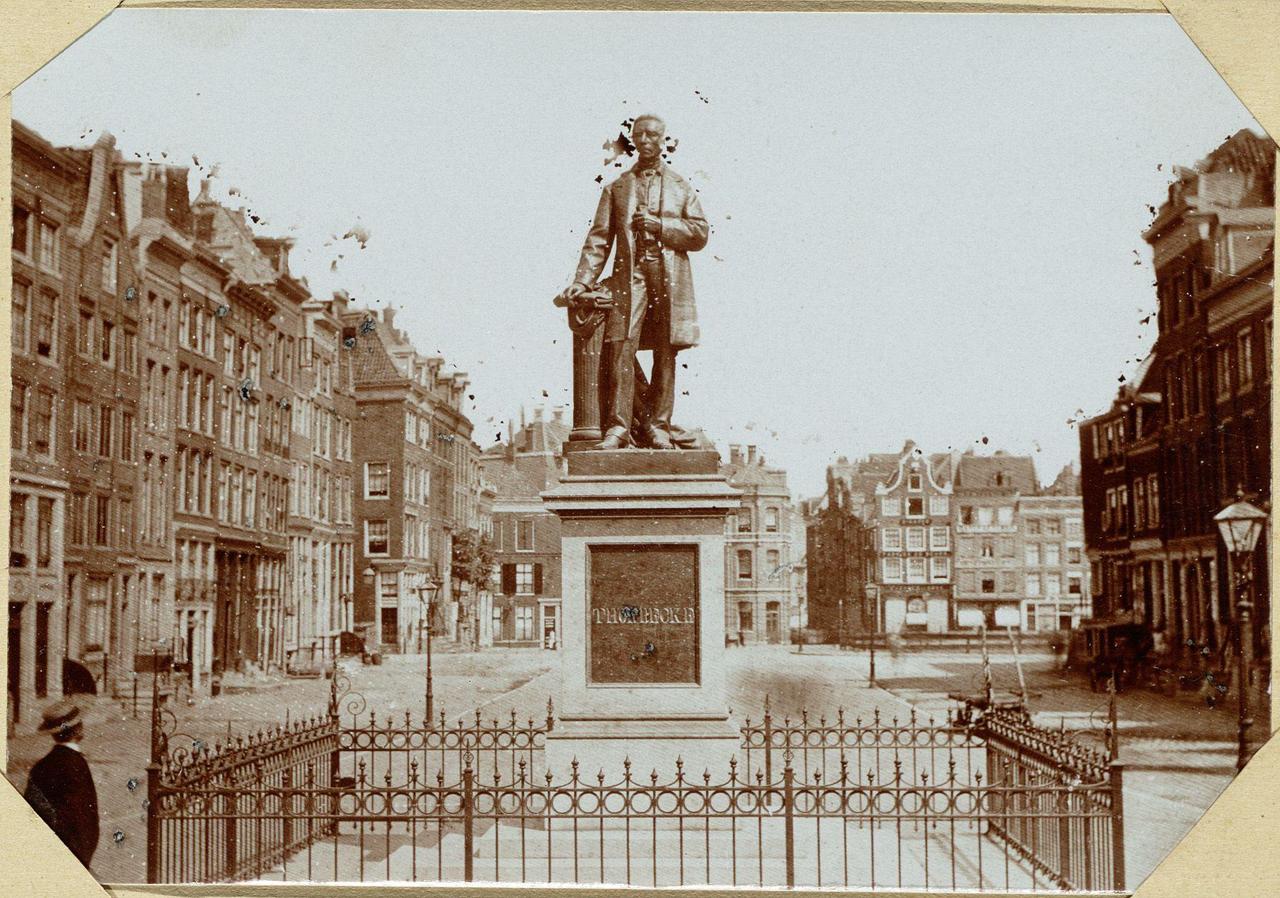
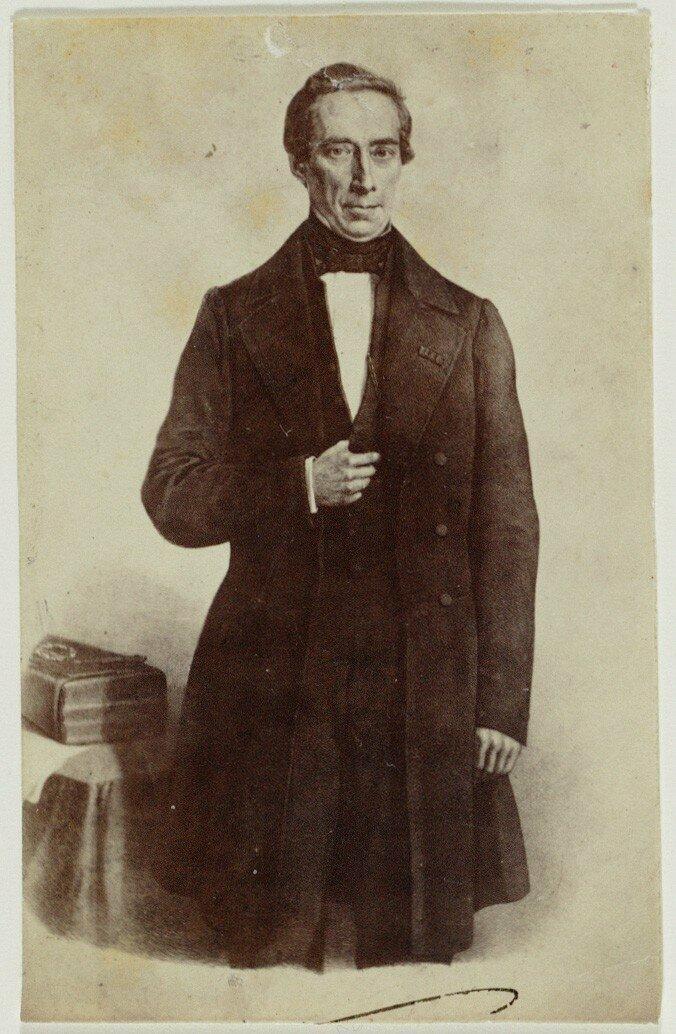
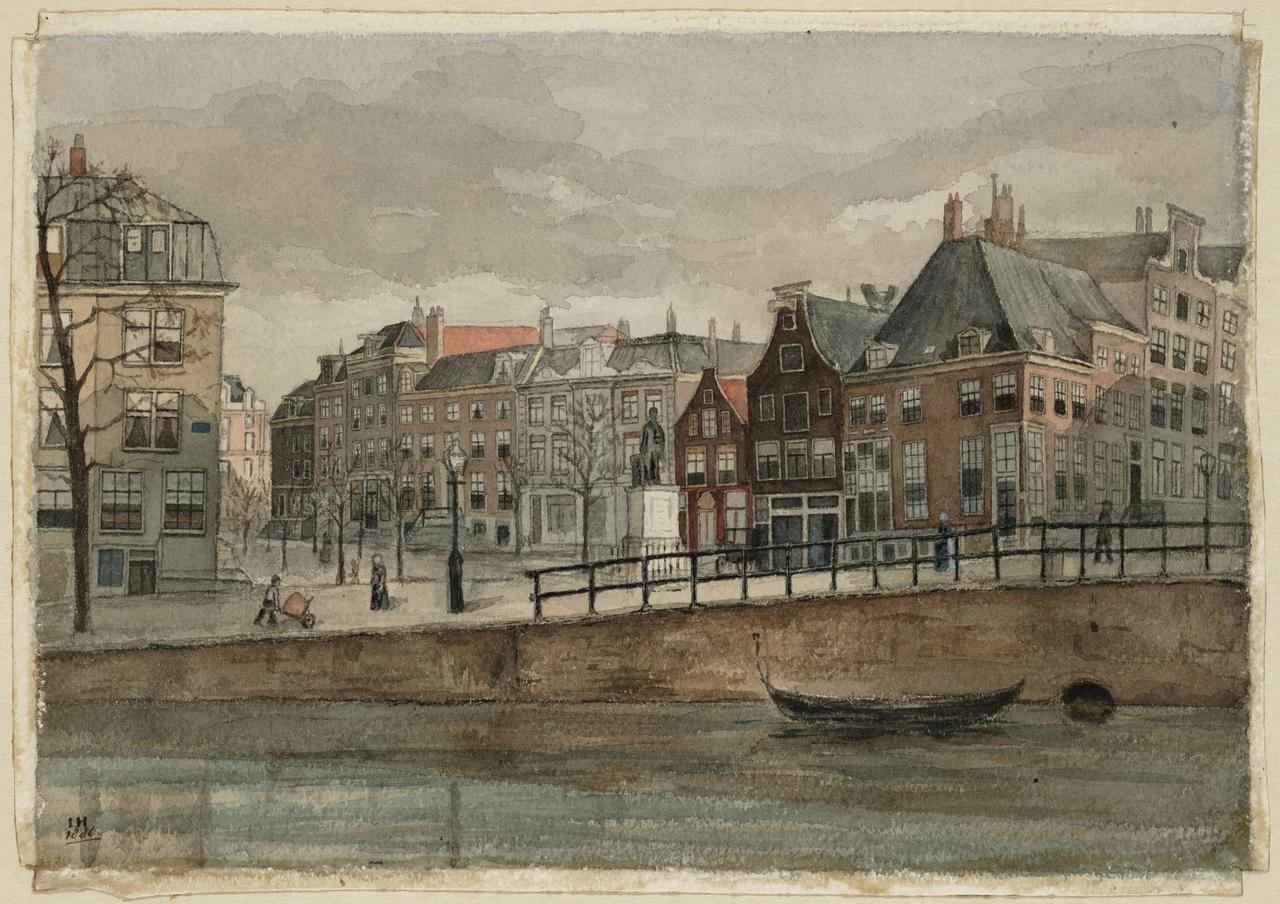
On this small square between the Rembrandtplein and the Herengracht stands the statue of Jan Rudolph Thorbecke, the man the square is named after and the one who turned the Netherlands into a parliamentary democracy. He was born in Zwolle in 1798 into a family with little money, studied literature at Leiden on the last of his family's savings, and then built a career as a professor.
From 1840 he sat in the House of Representatives, arguing that parliament ought to be the country's most important institution and that the government should answer to it. In a political world run by a small circle of conservative aristocrats that sounded mainly unrealistic, until the revolutionary year of 1848, when streets across half of Europe filled with protest. King William II took such fright that, in his own words, he turned from conservative to liberal in a single night, and he instructed Thorbecke to write a new constitution.
That constitution placed power with parliament and made ministers answerable for what their departments do. In its outlines it still stands, and Thorbecke went on to serve three times as prime minister.
Shortly before his death in 1872 he dealt with one last letter from his sickbed, the one that allowed Aletta Jacobs to become the first woman in the Netherlands to study at a university.
Any feedback for this story?