Rembrandt House
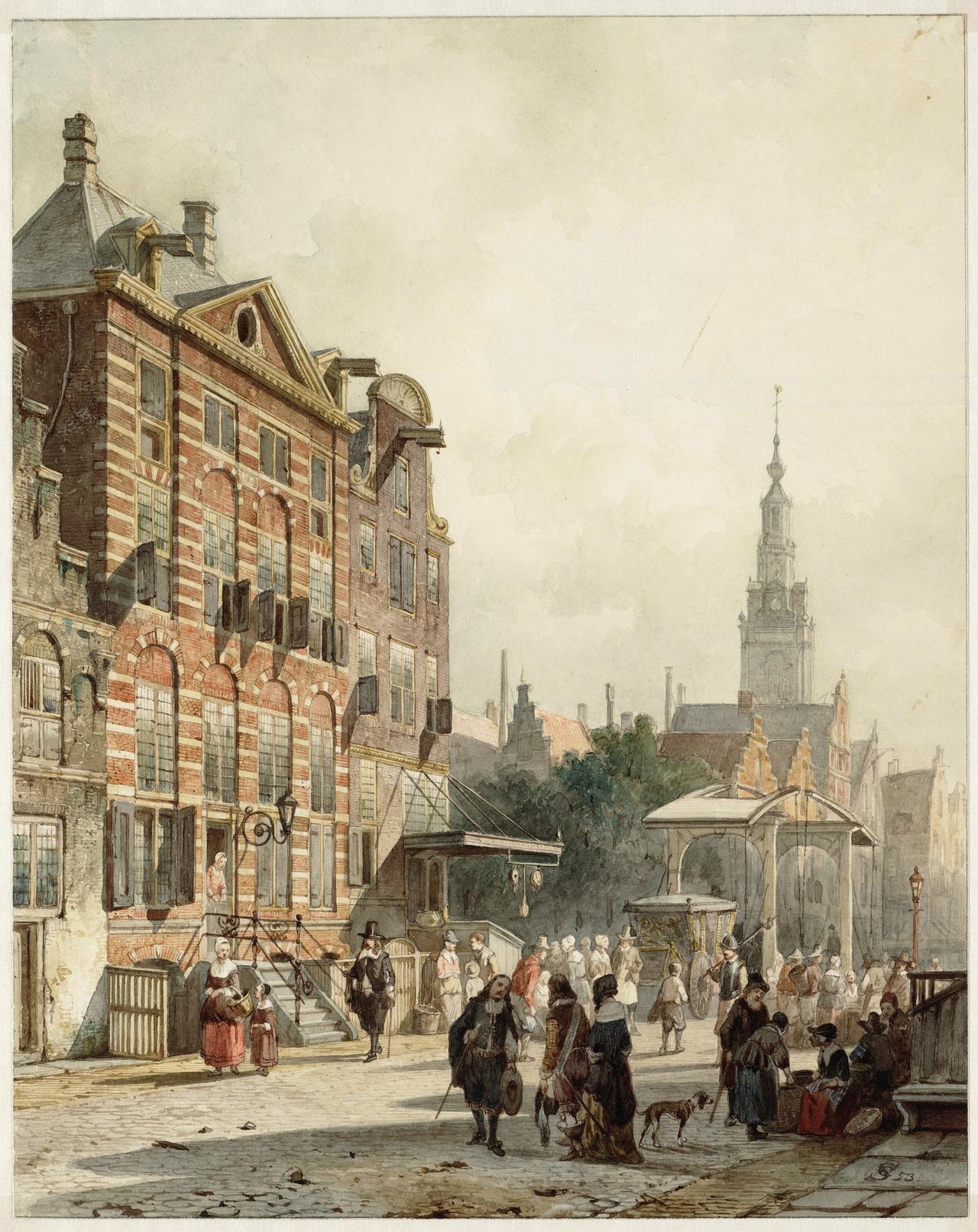
On the Jodenbreestraat, at number 4, stands a broad house with red shutters that looks a size larger than its neighbours. Rembrandt van Rijn bought it in 1639, when he was the best paid portrait painter in Amsterdam and wanted an address to match.
He paid thirteen thousand guilders in instalments, and never got to the end of them. For twenty years he lived, painted and traded here, with pupils in the attic and an art dealership at the front. When the debt caught up with him in 1656, he asked the court to surrender his estate, and the house and everything in it went under the hammer.
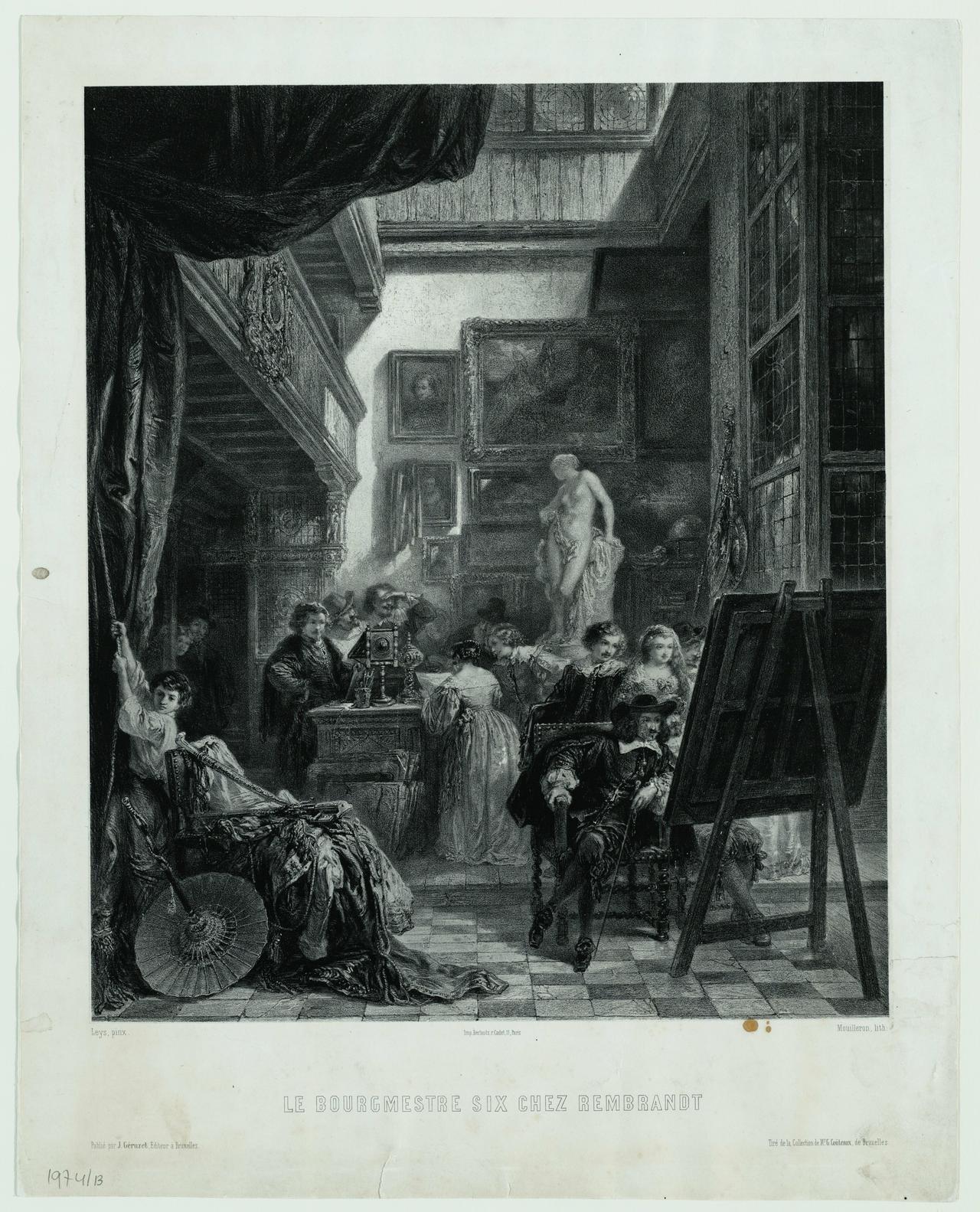
That disaster is exactly what makes the museum possible. Before the auction, a clerk from the insolvency chamber recorded what stood in every room, object by object. The list holds paintings by his colleagues, along with the collection Rembrandt spent his money on: shells from Asia, Roman busts, suits of armour, stuffed animals and the exotic fabrics that turn up in his work.
Thanks to that inventory the house could be rebuilt room by room in the twentieth century. Buy a ticket and you walk through the household of a painter who has just stepped out, with the paint pots and the printing press in place, and in the studio pigment is still ground by hand every day to seventeenth-century recipes.
Any feedback for this story?