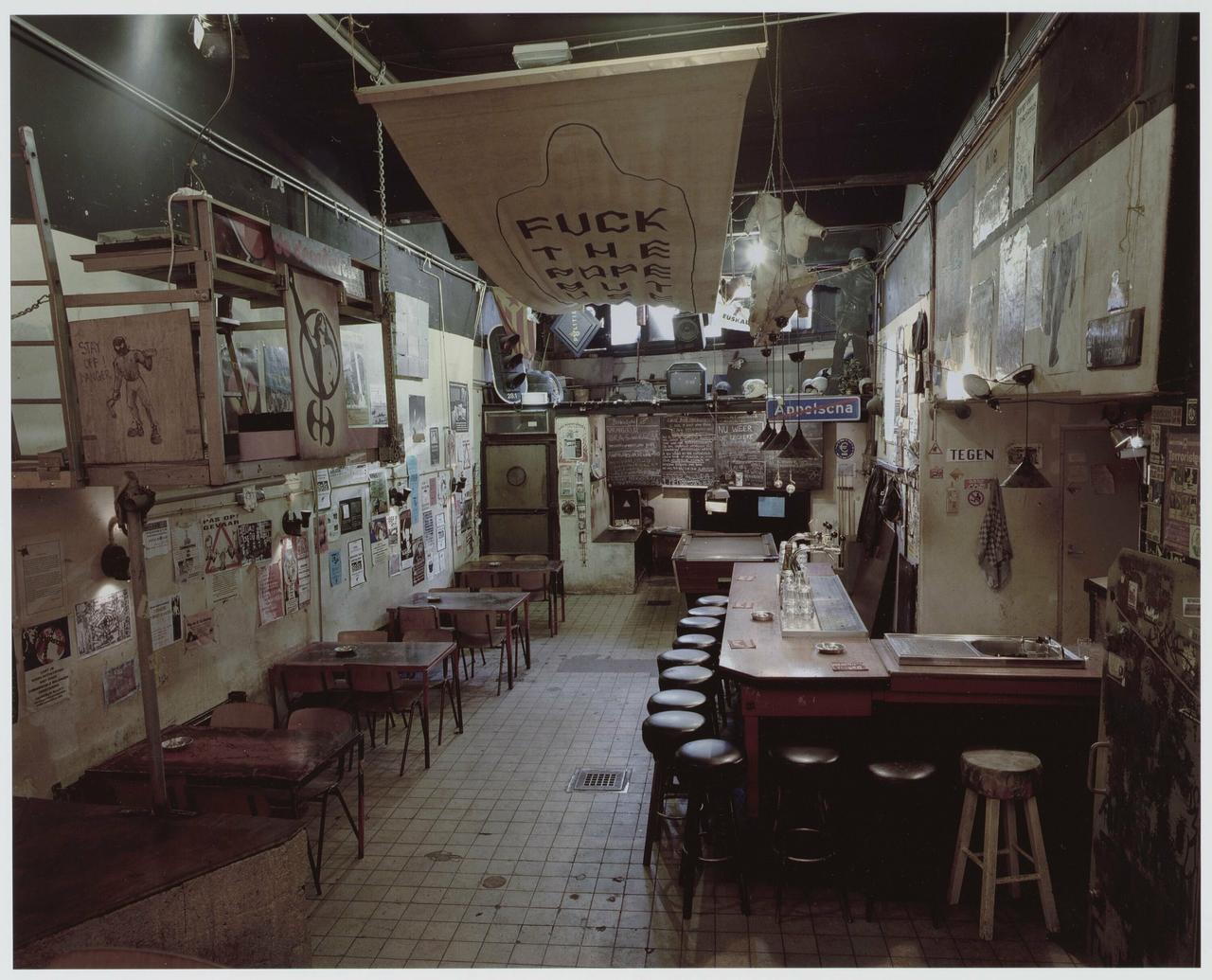
Squatting in Amsterdam Oud-West
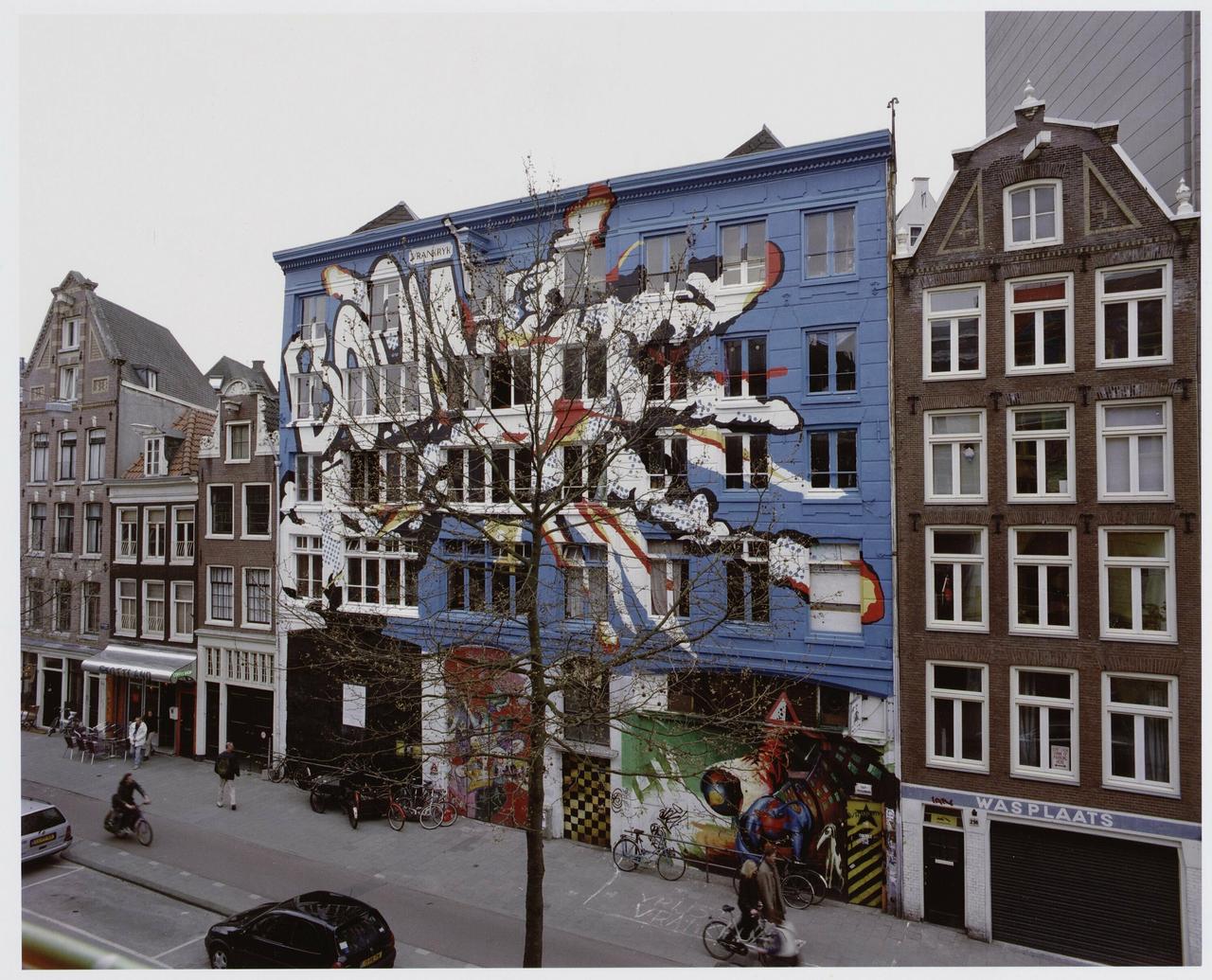
On the Bilderdijkstraat stands a red brick factory complex from 1902, built for the Tetterode type foundry, where lead was cast into printing type. When the company moved out in 1981 a developer bought the premises, with plans for luxury flats and shops.
On 17 October that year it was squatted. The squatters had spent two weeks tracking the security guards' rounds before they went in, and they told the neighbours beforehand what they intended to do. At the time it counted as the textbook example of professional squatting.
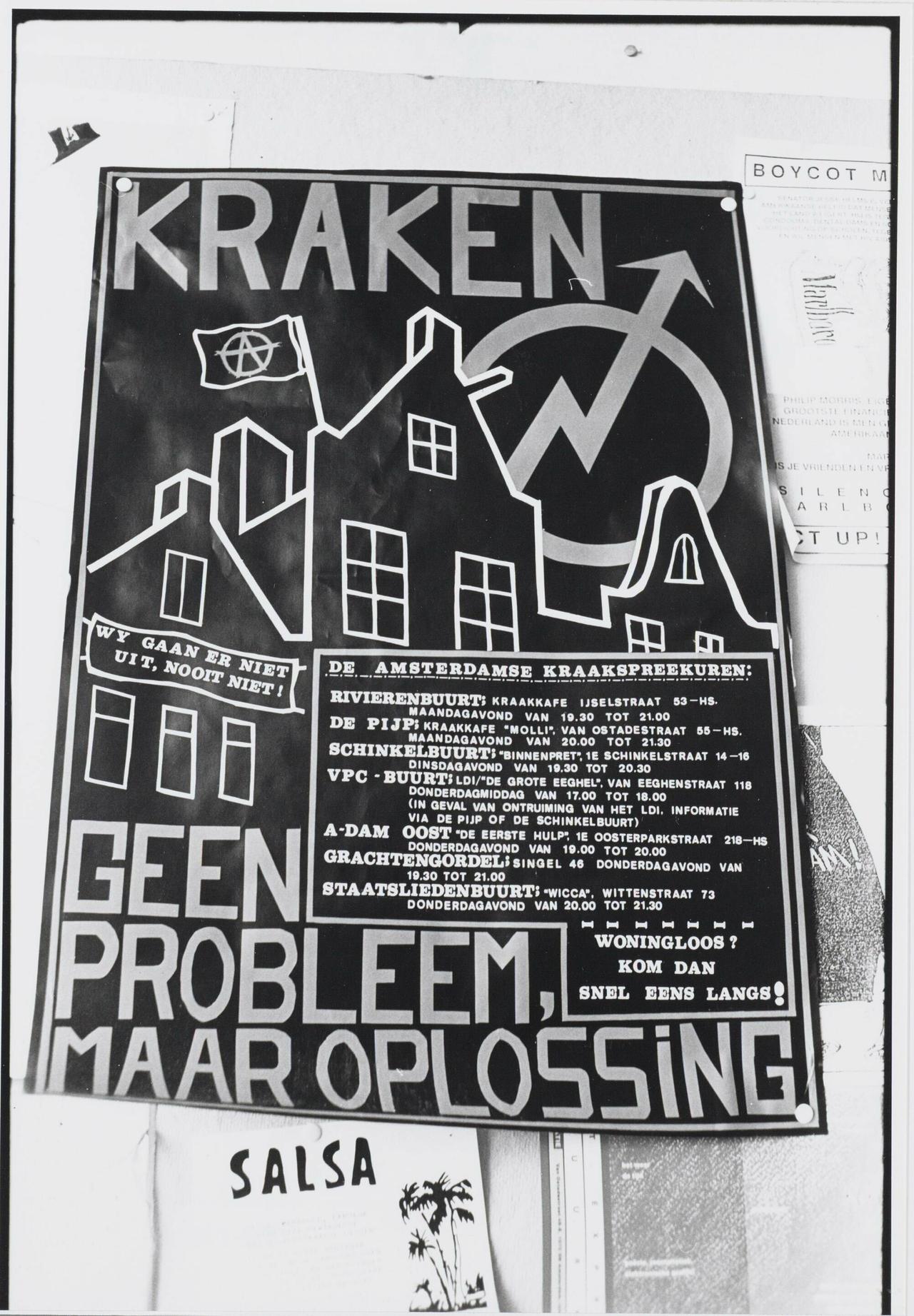
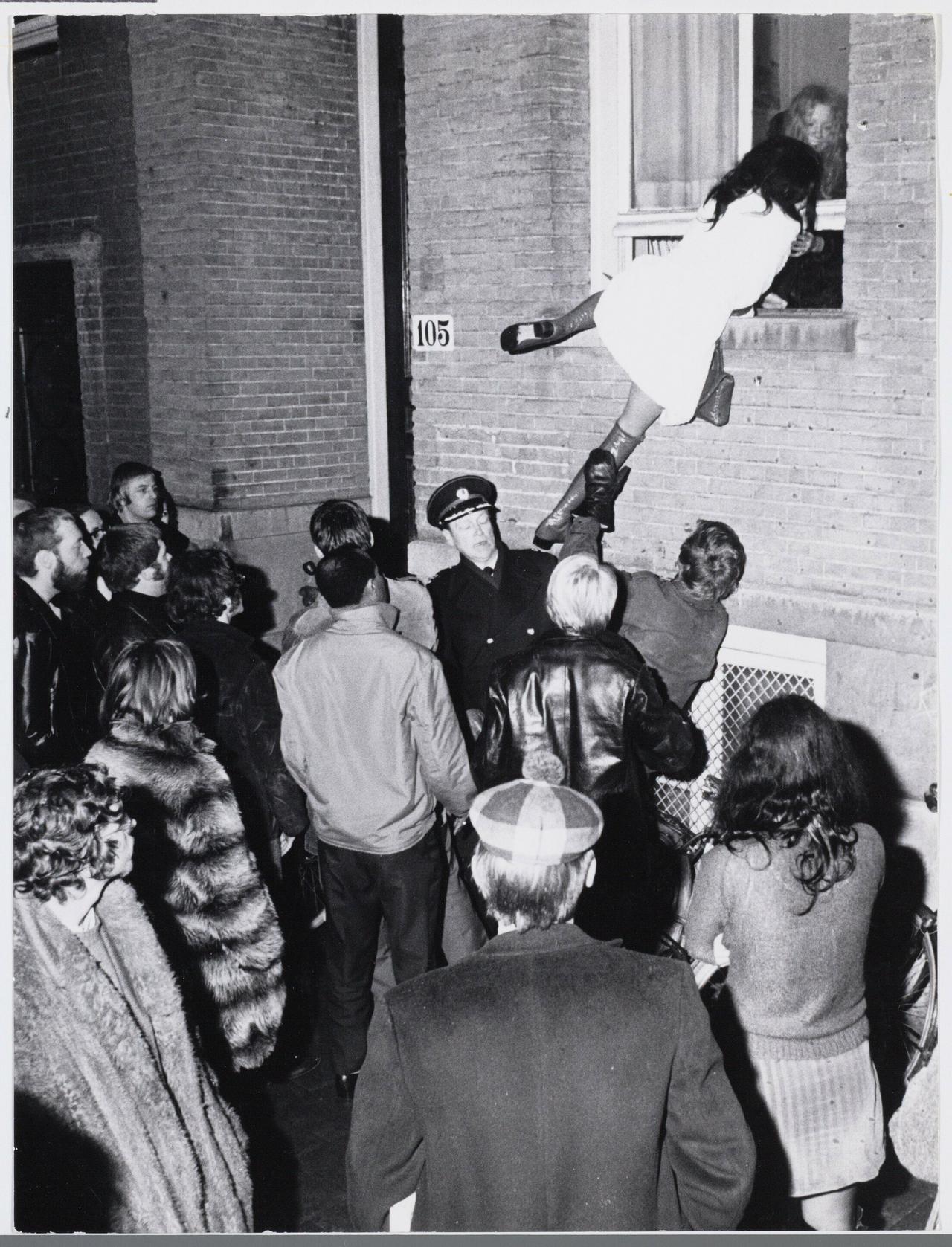
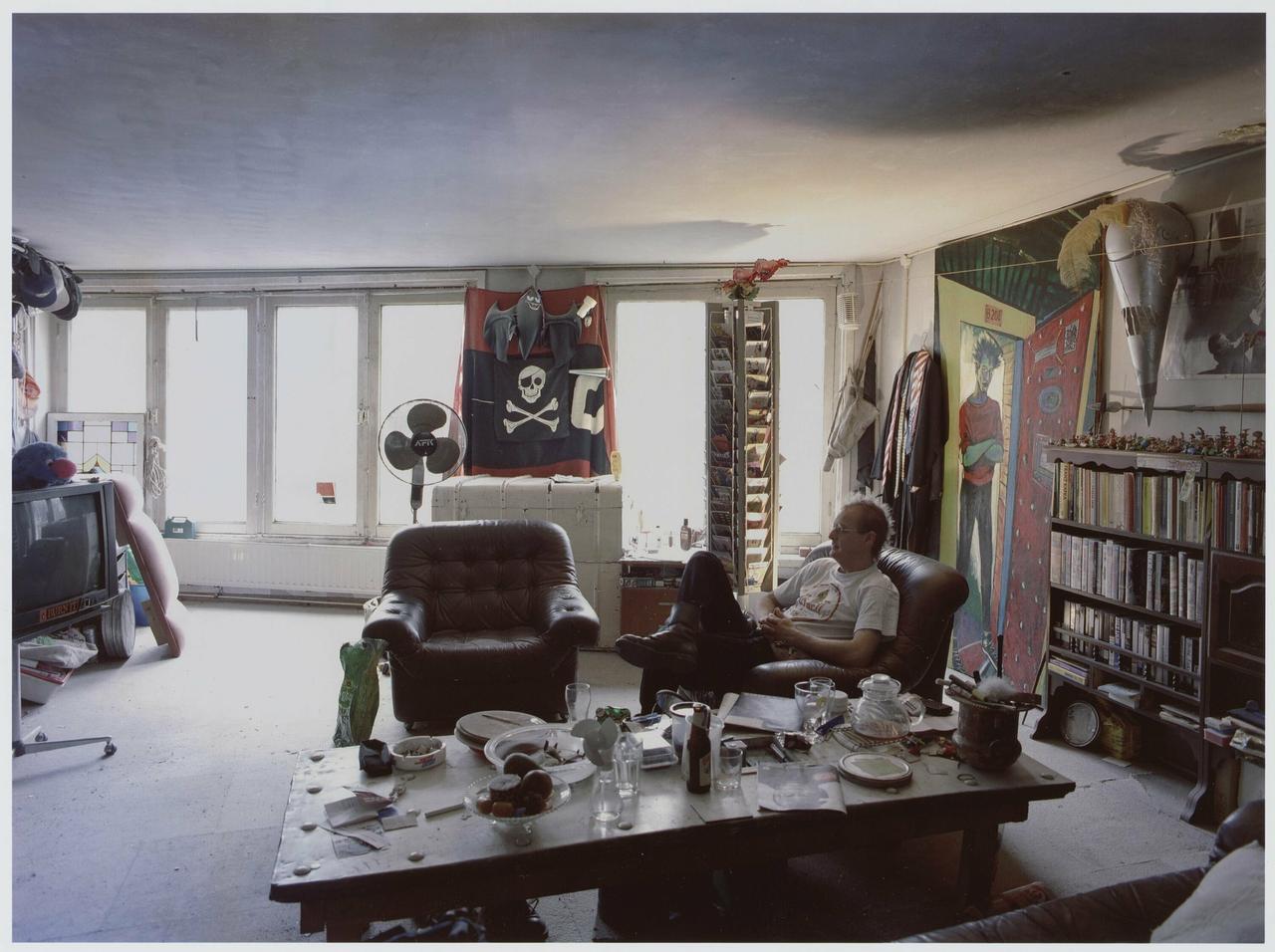
Through the 1970s and 1980s squatting in Amsterdam was a mass movement. Housing was desperately short and whole buildings stood empty for years awaiting demolition, so students, artists and families moved in. In Oud-West, where street after street was listed for urban renewal, this happened on a large scale.
Tetterode held out. After a five-year fight the complex was legalised in 1986, and artists and small businesses have lived and worked here ever since, alongside a theatre, a shoemaker and, in the basement, De Trut, a queer club run entirely by volunteers since the 1980s.
Since 2010 Dutch law has banned squatting, including in buildings that have stood empty for years.
Any feedback for this story?