The end of the walk
This is where the walk ends. You started out in the first park the city laid out itself, on land that was still meadow until halfway through the nineteenth century, and now you're standing beneath a windmill from 1725 with a brewery in an old bathhouse right beside it.
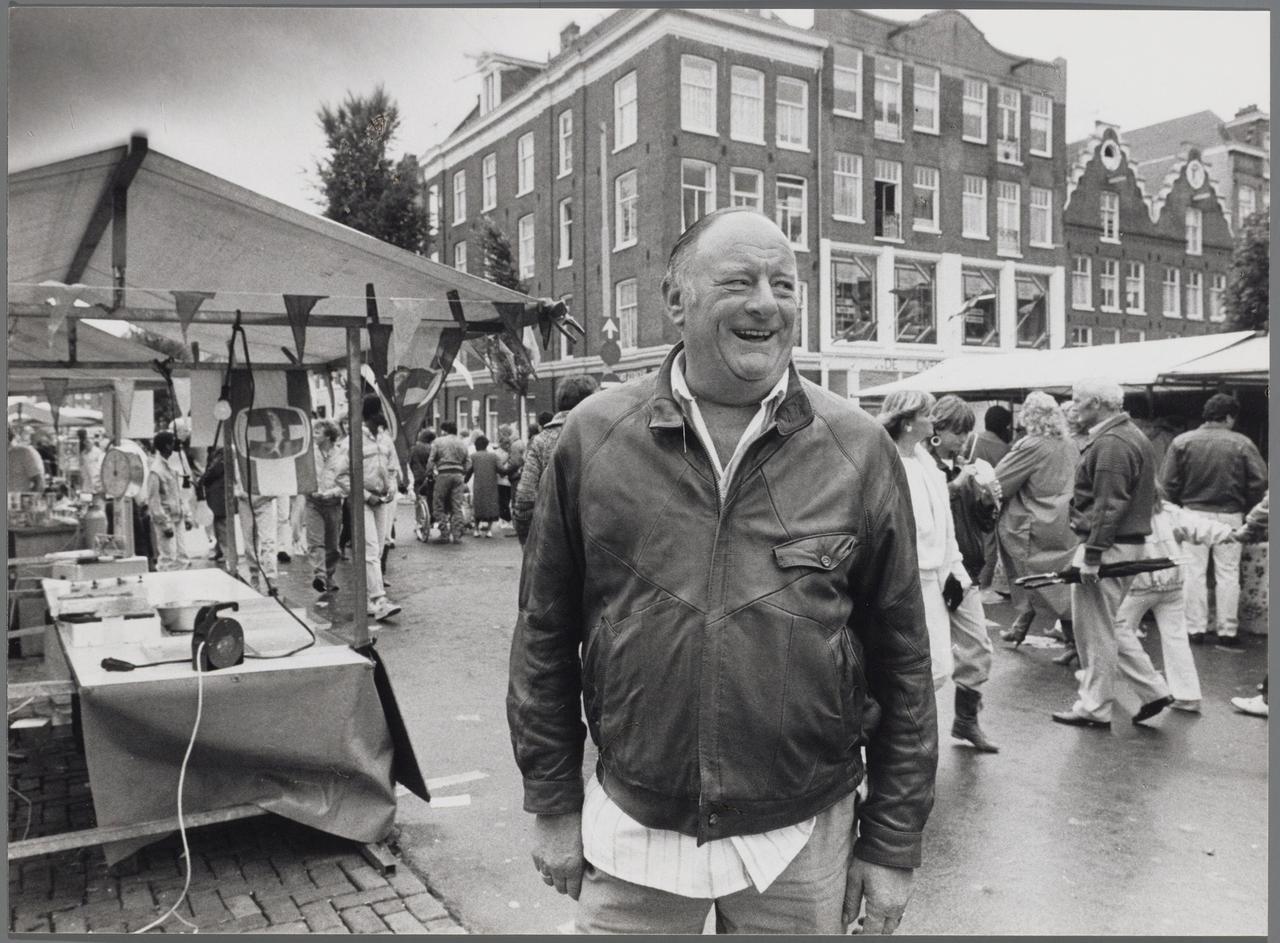
The same story runs through everything in between. Oost is the neighbourhood that kept reinventing itself. The woods became a park, the polder became a working-class district, the houses that went up too quickly were rebuilt once their residents made themselves heard, the colonial museum took on a different name and a different way of looking, and the market shifted along with everyone who came to live here. Almost nothing you see was the first thing to stand on its spot.
Take your time before you head back. The terrace sits at the foot of the windmill, and today's stories settle best if you stay a while and sit down.
If you want to carry on, there are more walks waiting. Across the IJ, the route through Amsterdam-Noord takes you along a waterfront that did exactly the same thing, and in the centre you'll find routes about the Golden Age and about the Second World War. Thanks for walking along.
Any feedback for this story?