The Exchange Bank
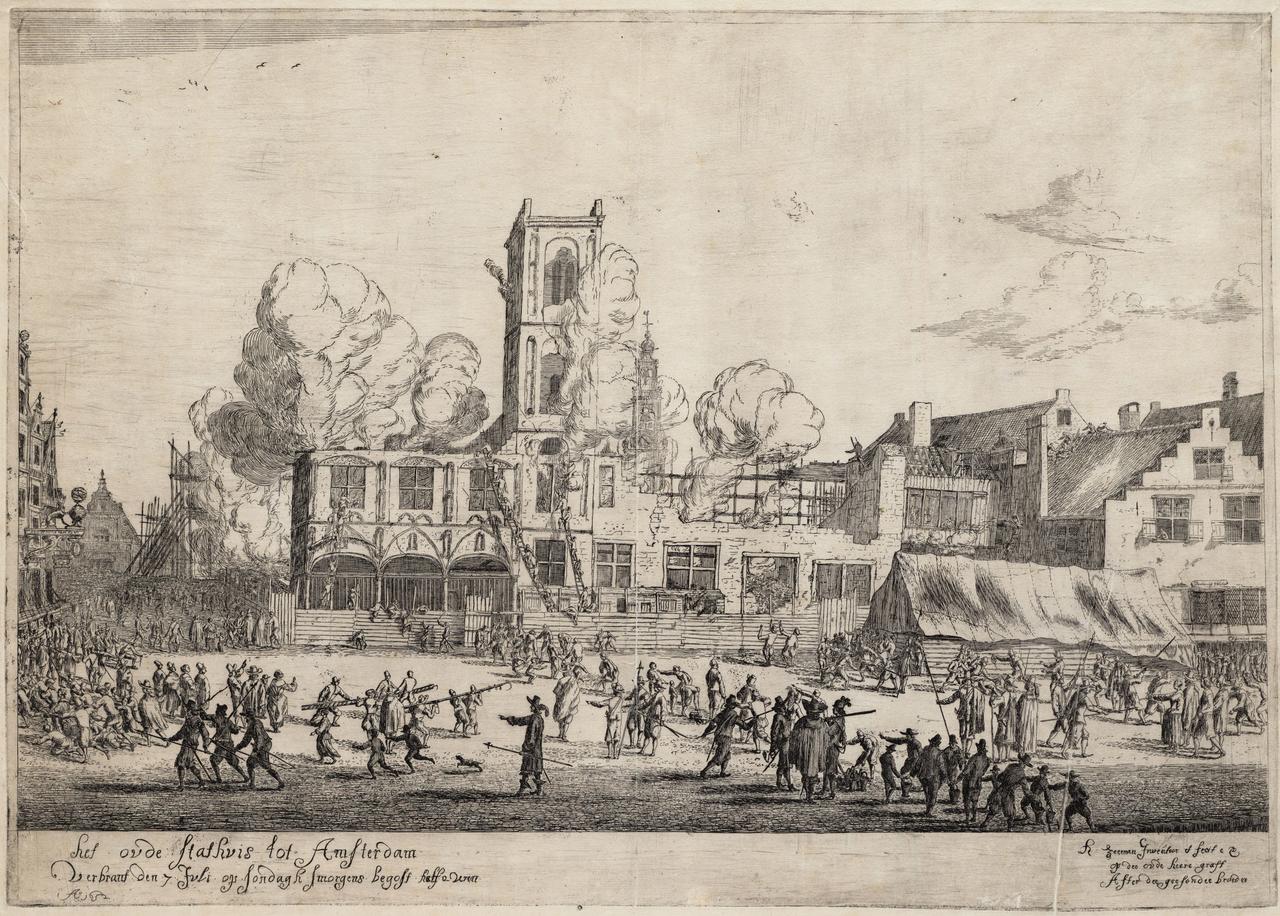
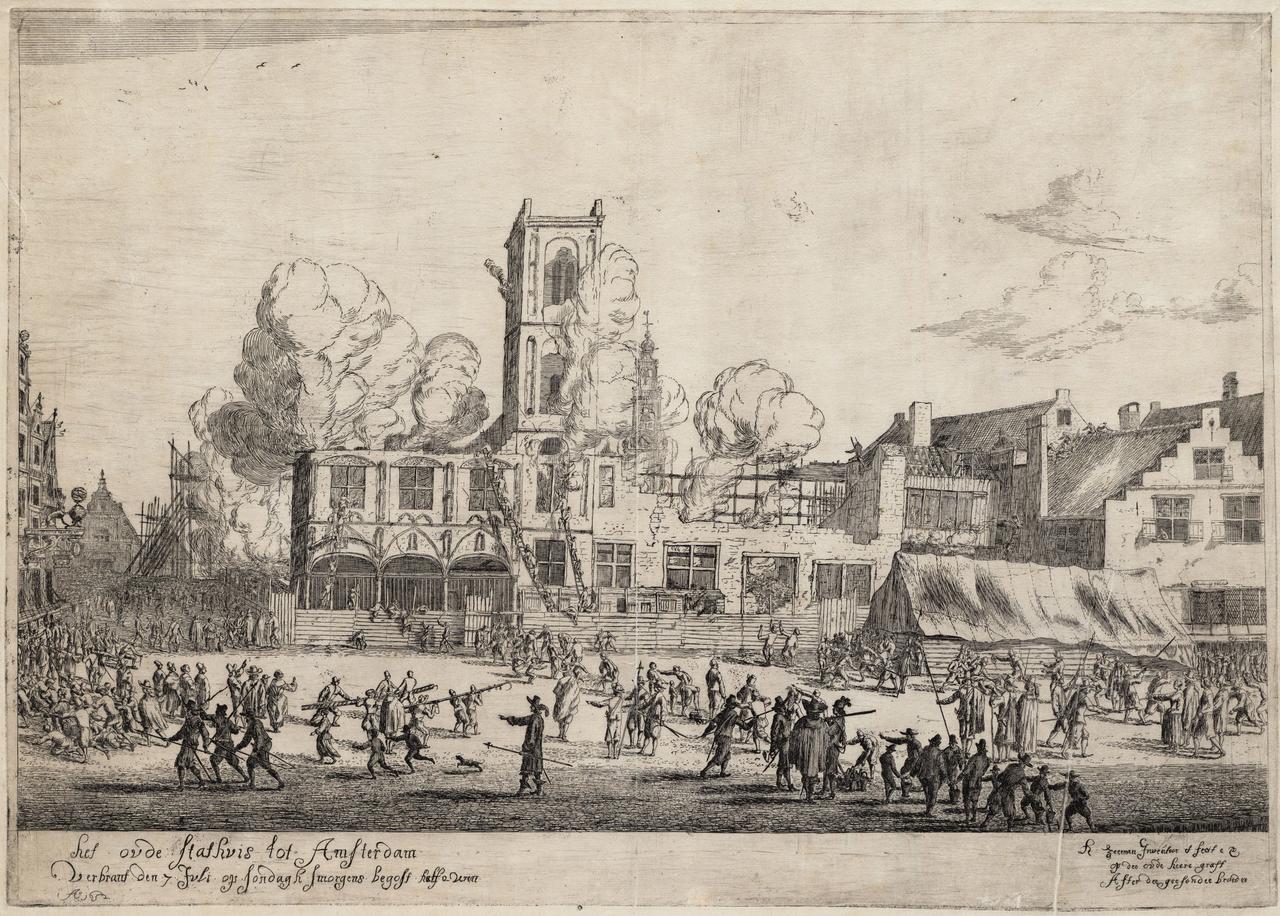
Walking along the Paleisstraat you pass the flank of the Royal Palace, the heavy building that once served as Amsterdam's town hall. On this spot, in the older town hall that stood here before it, the Amsterdam Exchange Bank opened its counter on 31 January 1609.
The city had a very practical reason for it. Hundreds of different coins circulated in the Dutch Republic, arriving from half the continent, many of them clipped at the edges or short of silver. A merchant selling a cargo of pepper could never be sure what he was being handed. The Exchange Bank accepted all that foreign money, weighed and assayed it, and credited the value to an account. Payment then moved on paper, from one account to another, while the coin stayed down in the cellar.
How firmly that trust sat became clear in the disaster year of 1672, when French armies invaded the country and account holders came in a panic to claim their deposits. The burgomasters invited everyone to go down into the cellars beneath the town hall and see for themselves whether the silver was there. It was, and the calm returned, while the banks of Rotterdam and Middelburg had to suspend their payments in those same weeks.
The Exchange Bank lasted another century and a half. In 1814 King William I founded De Nederlandsche Bank and its role was over. Its archive stayed in the city: five hundred and fifty linear metres of accounts and ledgers in the Amsterdam City Archives.
Any feedback for this story?