De Otter Sawmill
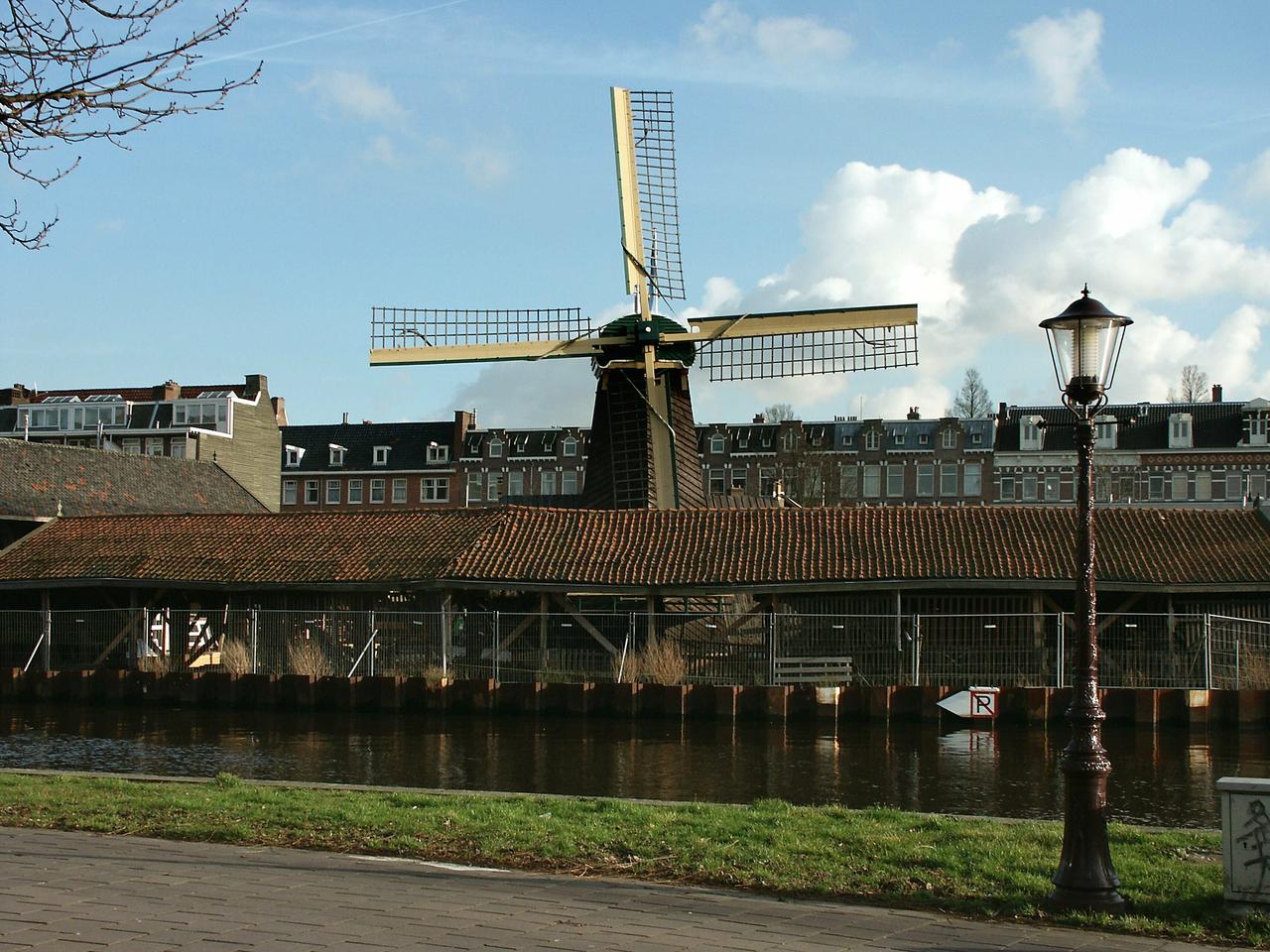
Along the Kostverlorenvaart stands a wooden mill that sits oddly among the housing blocks around it. This is De Otter, a sawmill from 1631 and the last one Amsterdam has left.
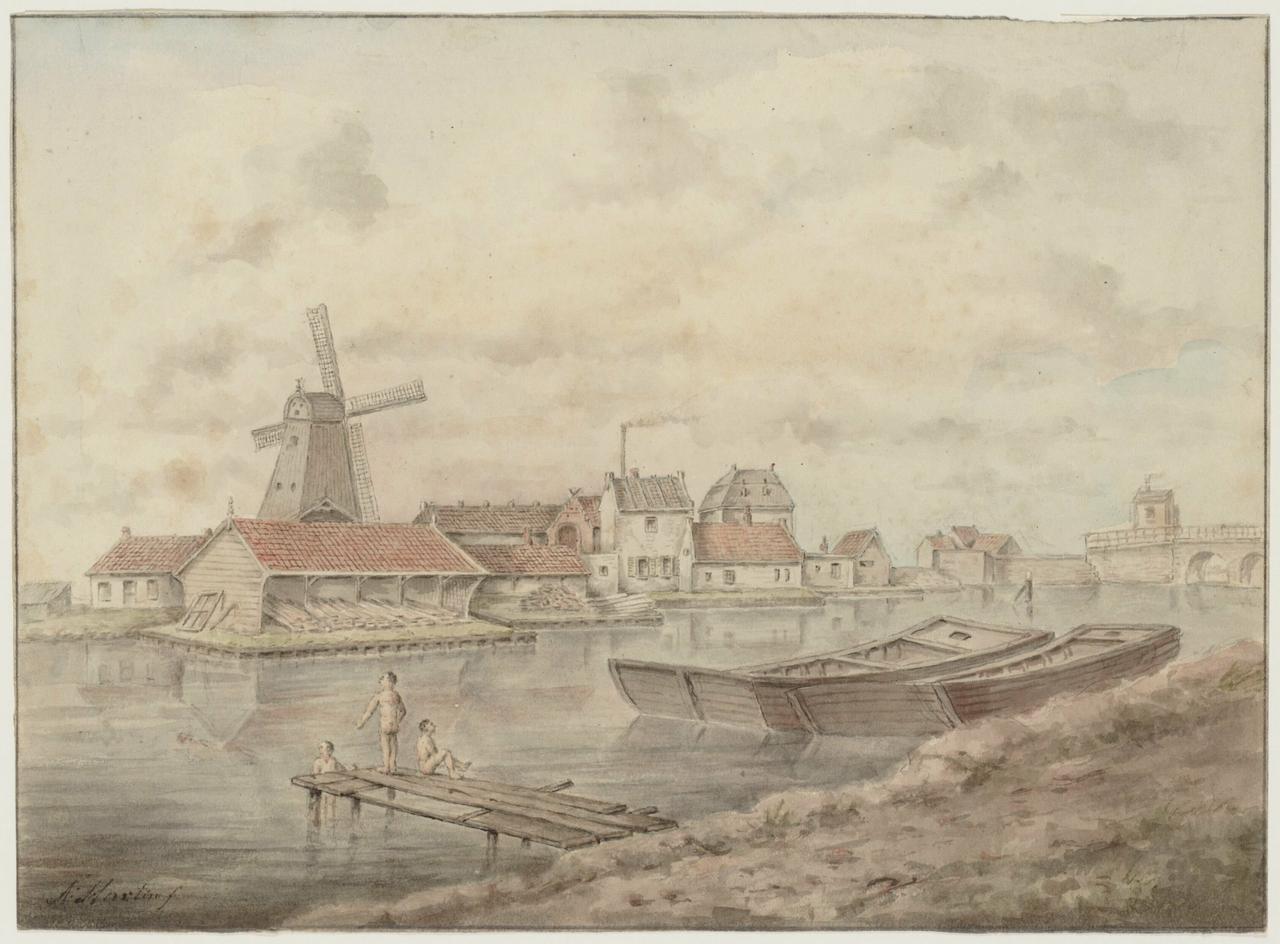
In the seventeenth century dozens of sawmills stood in a row along this water, just outside the city. They cut the logs shipped in from Scandinavia and the Baltic into planks, and with those planks Amsterdam built its ships, its warehouses and its canal houses. These mills were the machinery of the Golden Age.
De Otter is a paltrok mill, named after a wide coat, and the shape gives that away: the entire upper body turns with the wind on a ring of rollers, including the floor where the logs came in. A handful of paltrok mills survive worldwide, and this is the oldest of them.
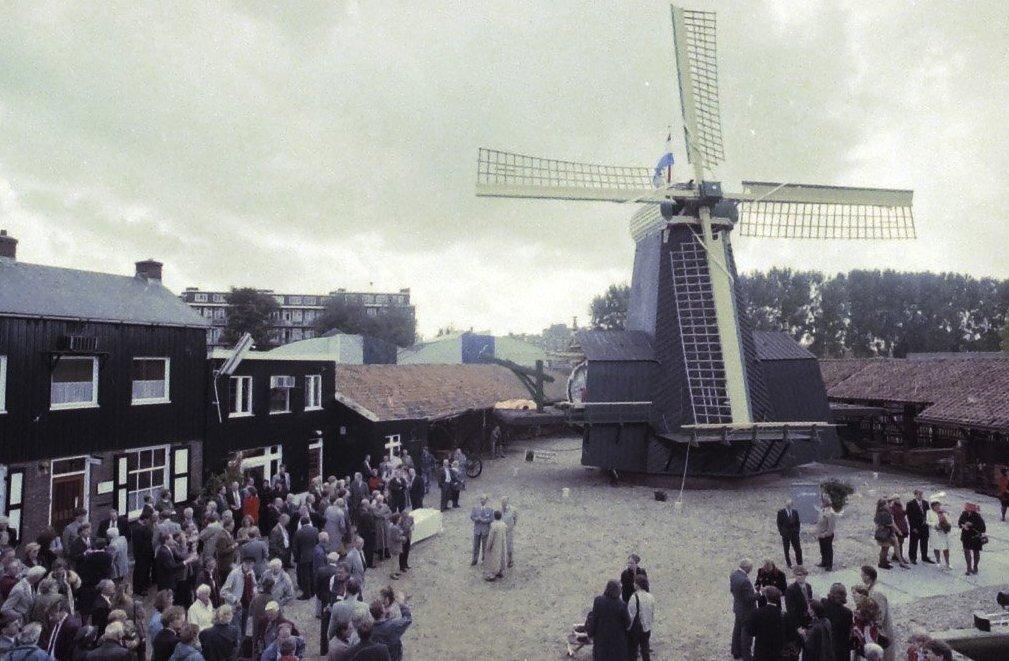
The twentieth century hemmed the mill in. The city grew around it, the buildings caught the wind before it arrived and the sawing stopped. After a thorough restoration the sails turn again whenever the wind reaches them.
Anyone wanting to support its survival buys a bar of pulp soap, made with sawdust from the mill itself.
Any feedback for this story?