The stock exchanges and the bank
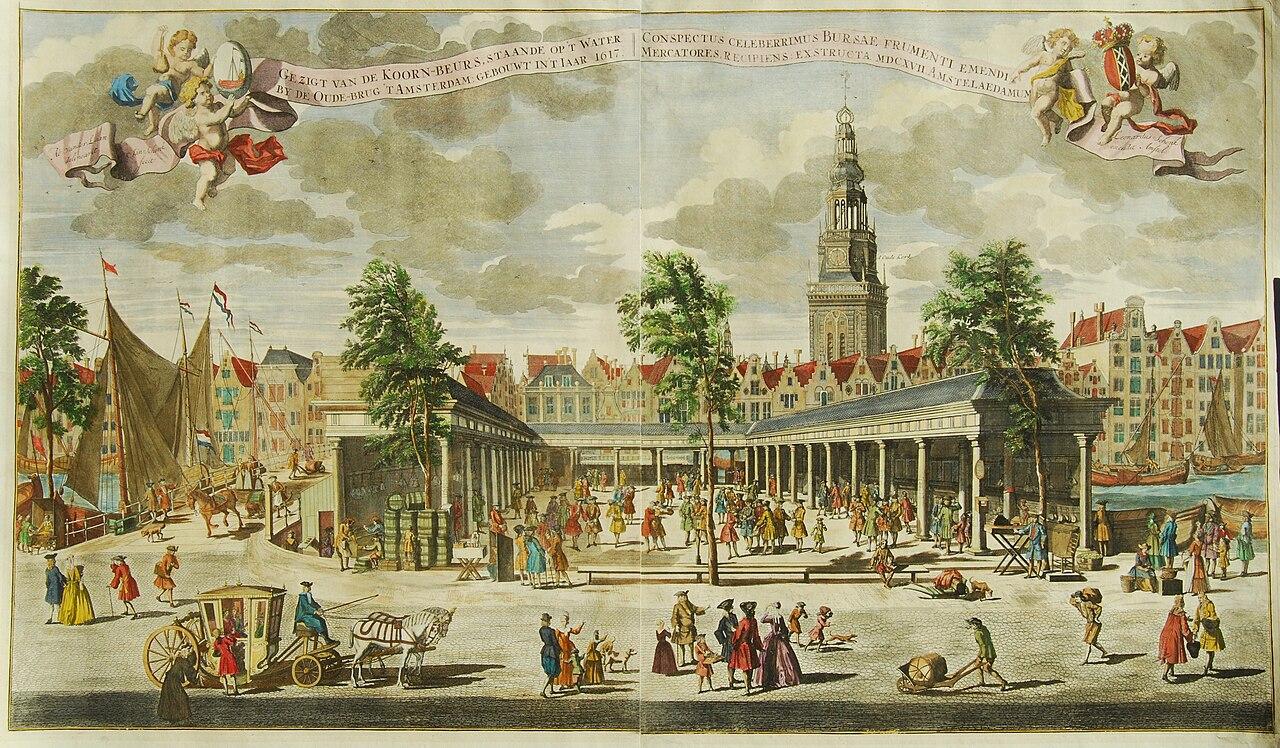
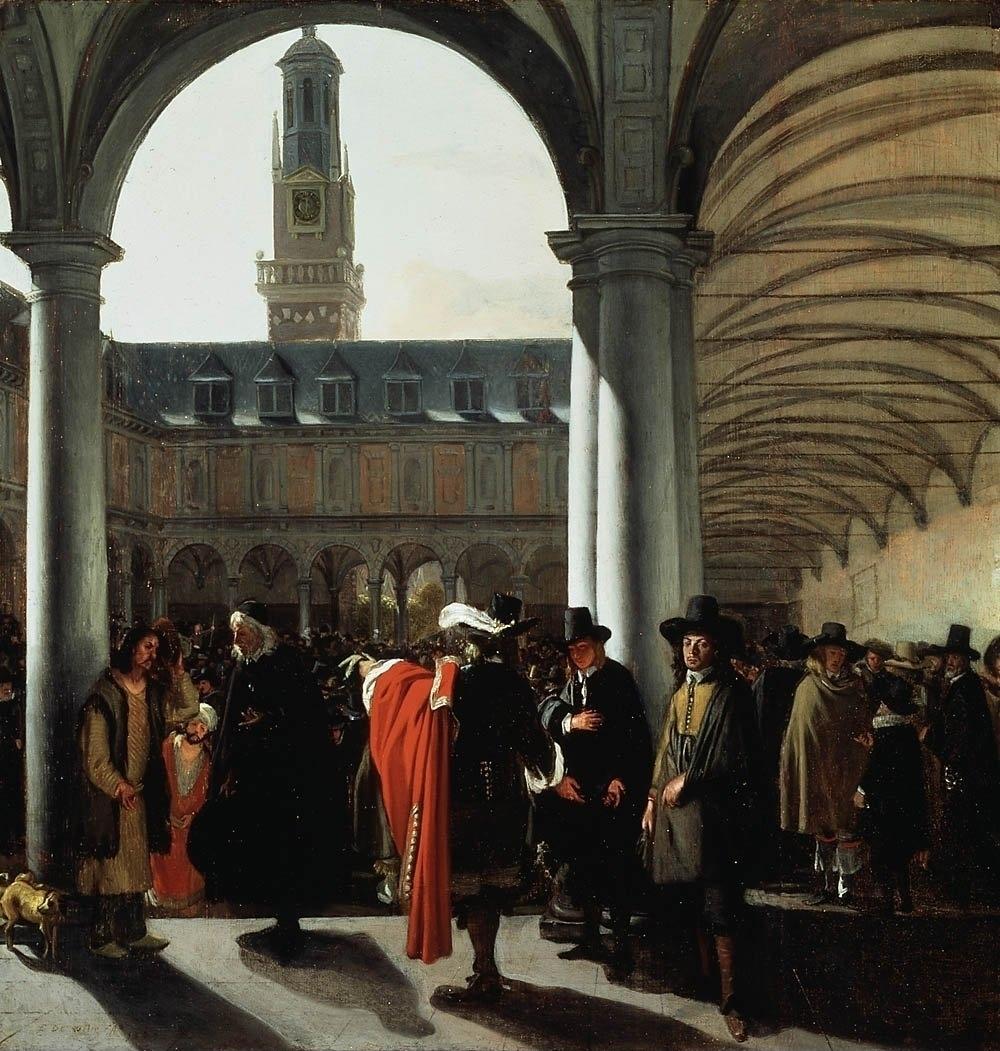
We’re now standing at the Nieuwe Brug, and this is where something happened that changed the entire world. Long before Amsterdam had an actual stock exchange building, merchants would simply gather outdoors on this bridge to conduct business. This is where all the information came in: which ships had arrived, what they were carrying, and how prices were fluctuating.
What was remarkable was what they traded. Not just goods that were already there, but also goods that weren’t there yet. A merchant would buy a shipment of cheese or spices still at sea, or a harvest yet to be grown. That is exactly what we call a futures contract today—the foundation of every modern stock exchange.
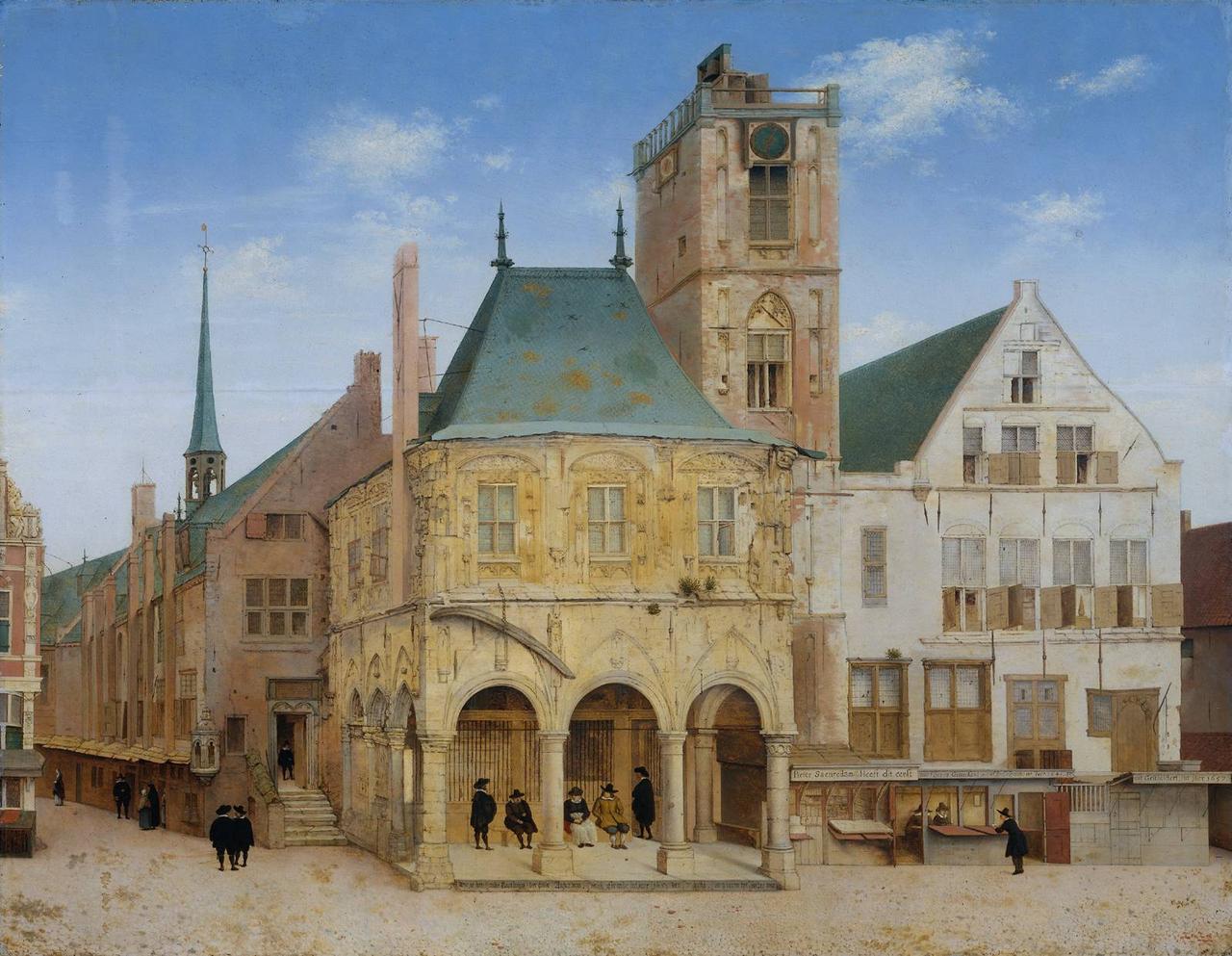
Trading also requires reliable currency, and that was a problem. Coins from dozens of countries flooded into the city, and no one knew anymore what a payment was actually worth. That is why, in 1609, the city established the Wisselbank in what was then the city hall on Dam Square. That old city hall burned down in 1652, and on the exact same spot, the building you just saw—now the Royal Palace—was erected. The bank weighed the coins and recorded their value in an account, so that merchants could pay each other with numbers instead of sacks of coins. The system of electronic payments that we still use every day began here.
Thus, Amsterdam had both halves of a modern monetary system: a place to trade in promises, and a bank to back those promises. And behind all those contracts lay real commodities—the herring, grain, and cheese that passed through this harbor.
We’re now walking the final stretch along the water, down a narrow alley with a name that immediately tells you what used to happen here. Our last stop is about the product that, along with cheese, was the driving force behind the city.
Any feedback for this story?