The citadel and the statue of Alva
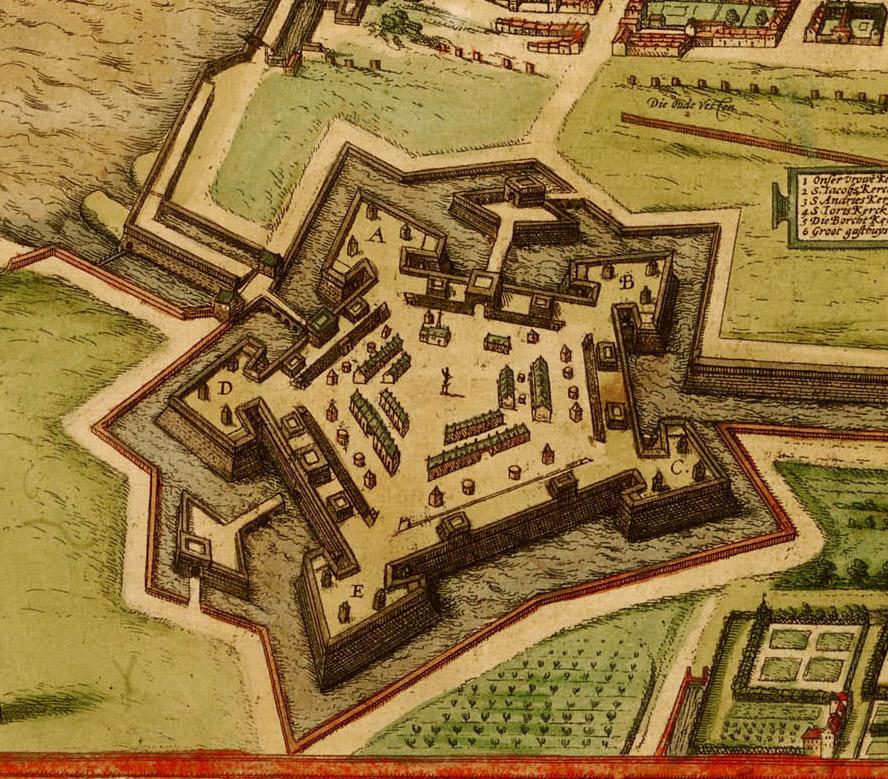
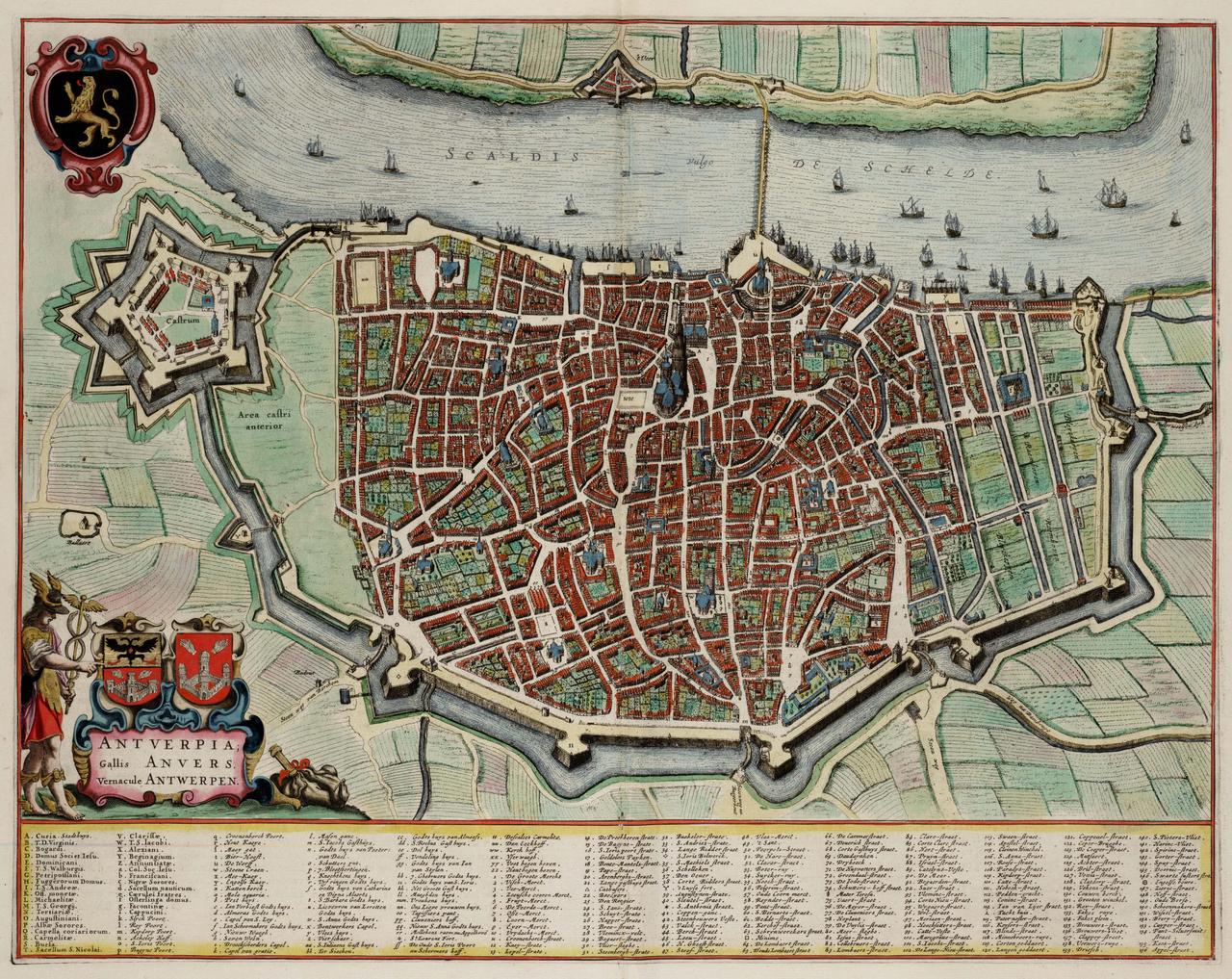
The antique shops you stroll past now sit on the edge of what was once the best defended patch of ground in the Low Countries. From 1567 onwards Alva, the Spanish duke sent to crush the revolt against Habsburg rule, had a citadel built here, designed by the Italian fortress engineer Francesco Paciotto, with five bastions named Hernando, Toledo, Paciotto, Alva and Duc. The clever part was the direction they faced, because some of the cannons looked out over the river while others pointed at the city itself. Antwerp was even made to pay for the whole thing.
In 1571 Alva put up a statue of himself here, cast by Jacques Jonghelinck from the bronze of cannons he had captured from the rebels. It showed him in full armour, with a two-headed figure beneath his feet meant to represent the Dutch nobility and the common people. Even in Madrid this went down badly, and in 1573 Alva was recalled.
The statue disappeared in 1577, when the people of Antwerp turned up by the thousands to tear down the city-facing side of the fortress, armed with pickaxes and wheelbarrows. The bronze was later melted back into cannons, returning to the shape it had first arrived in. The citadel itself came back after 1585 and held on for another three centuries, until it made way for the Het Zuid district, where parts of its walls have since been dug up.
Further south stood the Sint-Michielsabdij, the richest monastery in the city, where the man who would finally bring Antwerp to its knees would take up residence.
From here we walk back north up the Kloosterstraat and follow the Hoogstraat all the way to the Grote Markt. It is the same route mutinous soldiers took in 1576, though at a rather quicker pace.
Any feedback for this story?