The eight-year republic
For centuries this square was the cathedral's graveyard, and the graves were only cleared under Emperor Joseph the Second in the late eighteenth century. So in the fifteen-eighties you'd have been standing here among the tombstones, with a church behind you that was Protestant at the time.
After the citadel was torn down, Antwerp governed itself. The city became the headquarters of the revolt against Spanish rule, William of Orange lived here, and from 1581 Catholic worship was banned and the churches passed to the Calvinists. For eight years the richest city in the Low Countries was a Protestant republic with its own army, its own fleet and its own foreign policy.
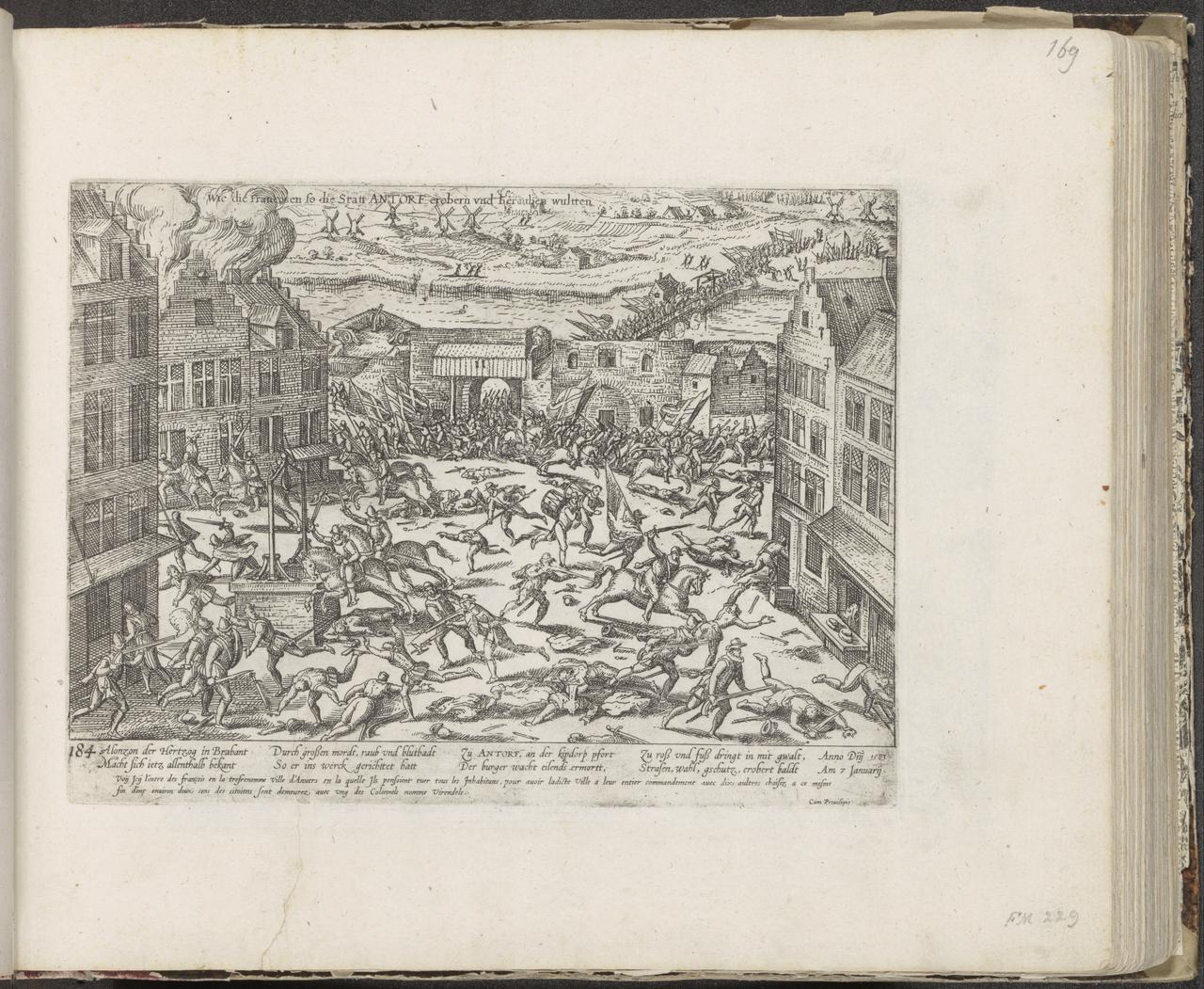
That republic looked to France for support, and things turned out strangely. In 1582 the people of Antwerp welcomed Duke Francis of Anjou through triumphal arches as their new sovereign, and in January 1583 that same Anjou tried to seize the city by force. His troops came in through the Kipdorppoort gate and were met in the narrow streets by townspeople hurling stones, furniture and boiling water from the windows. Of the fifteen hundred Frenchmen who died, most fell within a few hundred metres of street.
From 1583 the city was led by Philips van Marnix van Sint-Aldegonde as outer burgomaster, a poet and diplomat credited with writing the Wilhelmus, which later became the Dutch national anthem. It was the toughest task any Antwerp governor had ever faced.
From the Groenplaats we walk down the Suikerrui, straight towards the water, out onto the quay by the Steenplein.
Any feedback for this story?