The Halászbástya
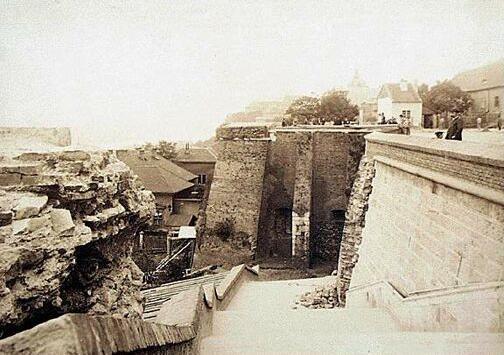
What looks like a medieval rampart is really a viewing terrace, built between 1895 and 1902.
It belongs to the wave of building with which Hungary celebrated its thousand-year existence, the same years in which the church beside it was restored, a metro line was laid through the city, and a square full of statues rose at the edge of Pest. The architect of these terraces led that restoration too, and he had a single aim here: to give the stroller somewhere to look out from, with the arches framing the view. As a defence it never amounted to anything.
The seven towers stand for the seven chieftains who brought the Hungarians to this plain in 895, led by the clan from the turul legend. That kind of reference runs all through the district, because the whole project was meant to show that the country had belonged here for a thousand years already.
The name comes from below. Along the foot of this wall lay the fishing town by the river, with its fish market, and in the Middle Ages the fishermen's guild was responsible for defending this very stretch of the city wall. Those men sold fish, and when war came they stood on the ramparts.
The square with the column lies a few steps further on, and that is where we end the walk.
Any feedback for this story?