The Chain Bridge
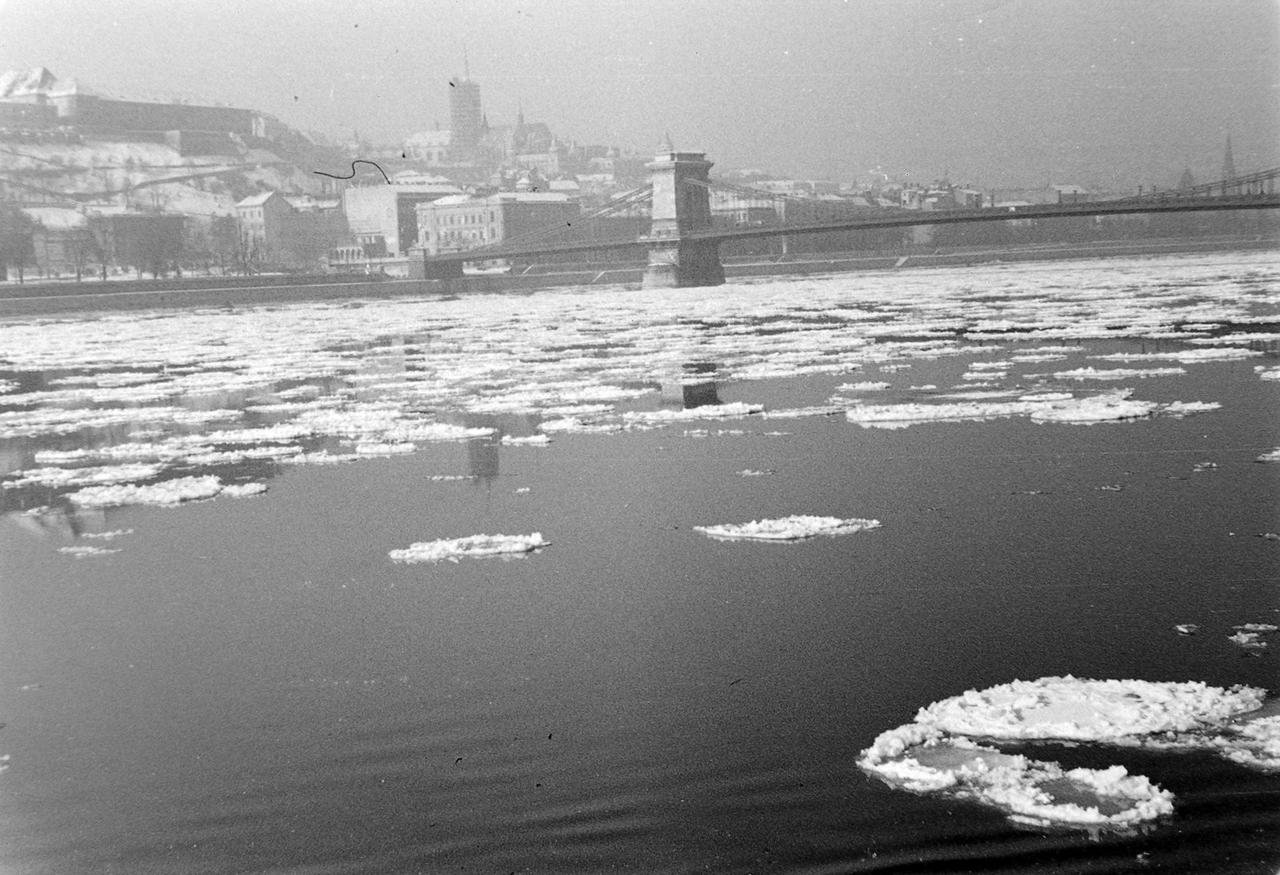
In December 1820 a young hussar captain stood on this bank waiting for a crossing that never came. Ice was drifting on the river, the ferrymen stayed put, and István Széchenyi was stuck on the wrong side for a week while his father was buried in Vienna. Twelve years later he founded the society that would build a permanent bridge right here.
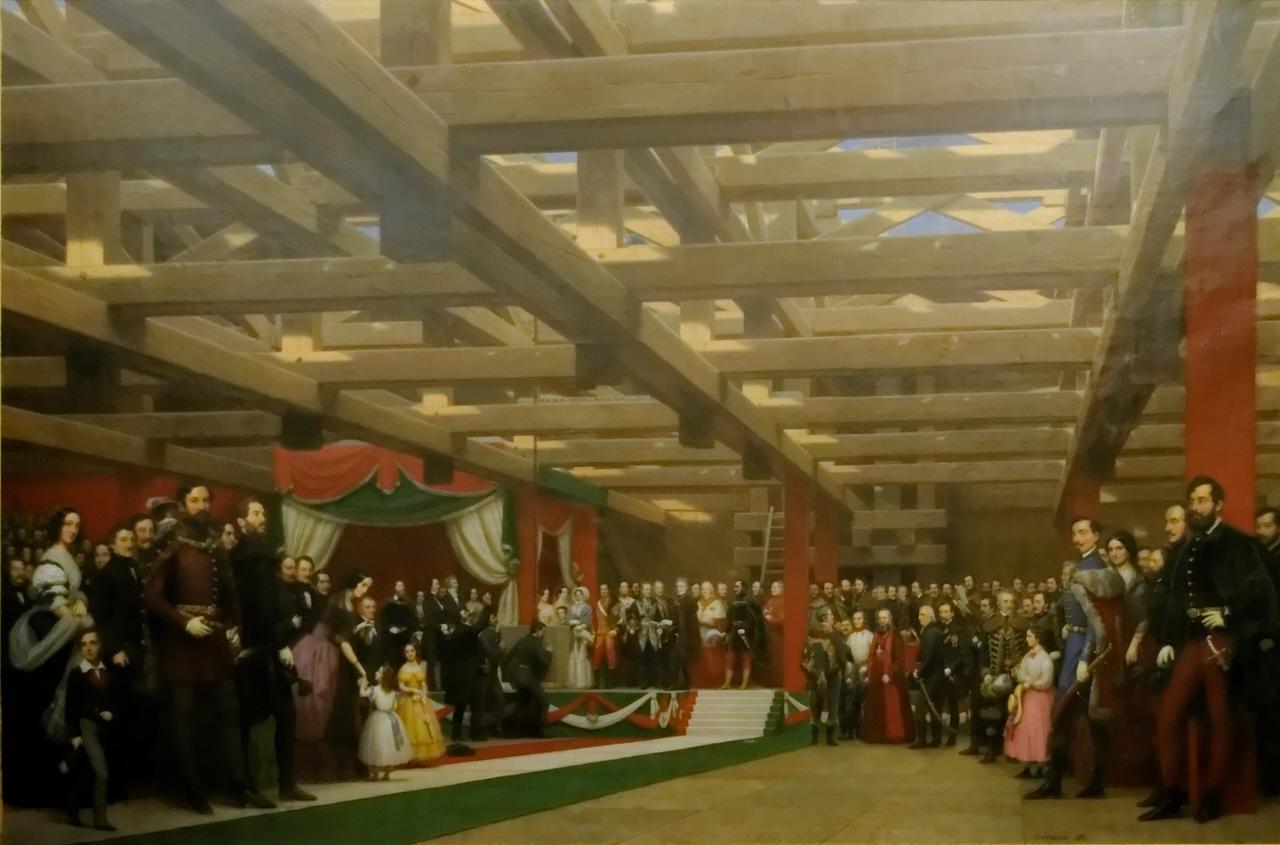
The design came from the Englishman William Tierney Clark, the construction was handled by the Scot Adam Clark, who was no relation of his, and the money came from the Viennese banker György Sina. The first stone went into the ground in 1842. When the last chain was hoisted up in July 1848, the pulley gave way, the working deck crashed into the river, and Széchenyi had to swim to shore himself.
The bridge opened on the twentieth of November 1849, three months after the Austrians had crushed the Hungarian fight for freedom, and the ribbon was cut by the very general who carried out the reprisals for it. Széchenyi was not there and never crossed his own bridge, because by then he was already confined to an institution near Vienna.
The lions only arrived in 1852, made by János Marschalkó. Every Budapester knows the story that the sculptor forgot to give them tongues and threw himself into the Danube over it. They do have tongues, you just cannot see them from below.
In January 1945 this bridge too ended up in the water. It reopened on the twentieth of November 1949, exactly a hundred years after the first time.
We cross the bridge to Pest. On the far side you can catch tram 2, which brings you back to Parliament in a few minutes, and if you would rather walk, you follow the embankment north for about fifteen minutes.
Any feedback for this story?