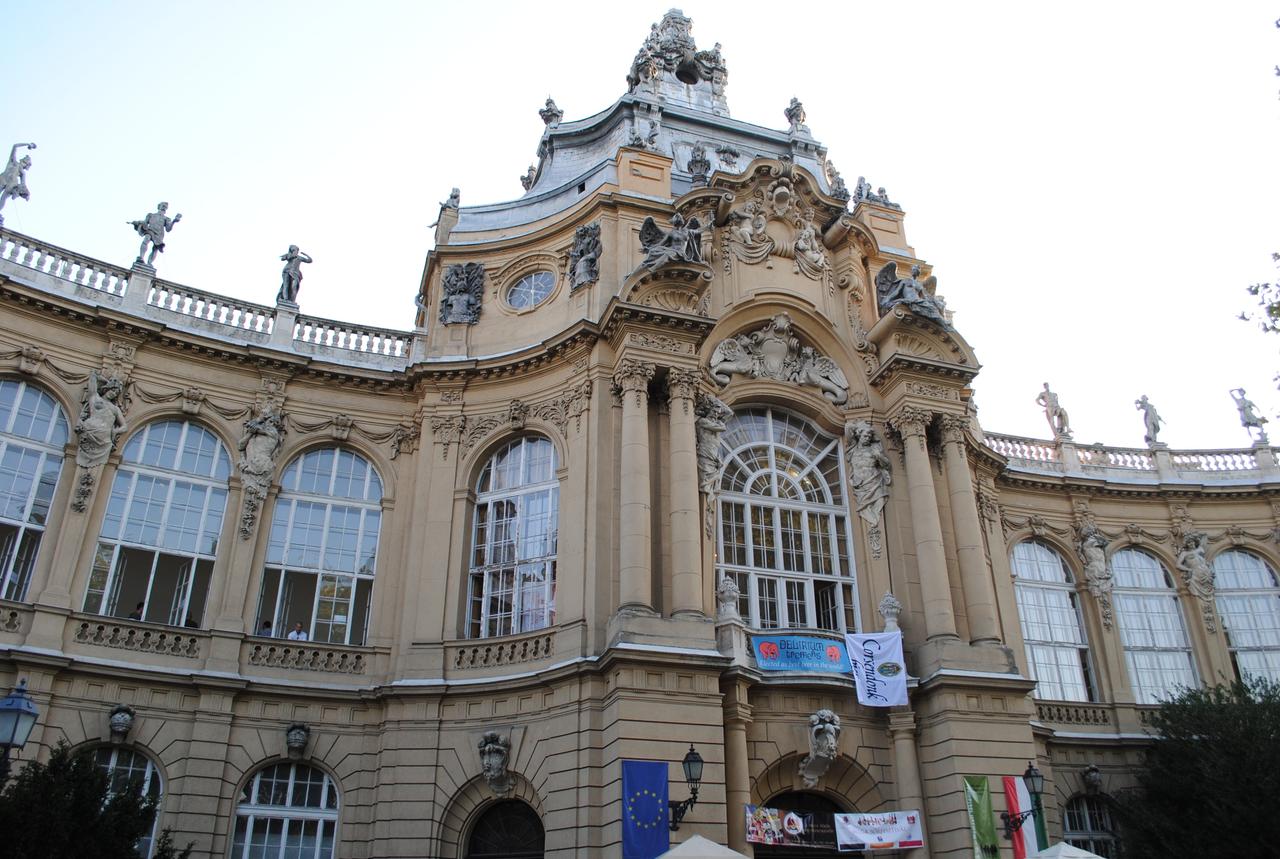
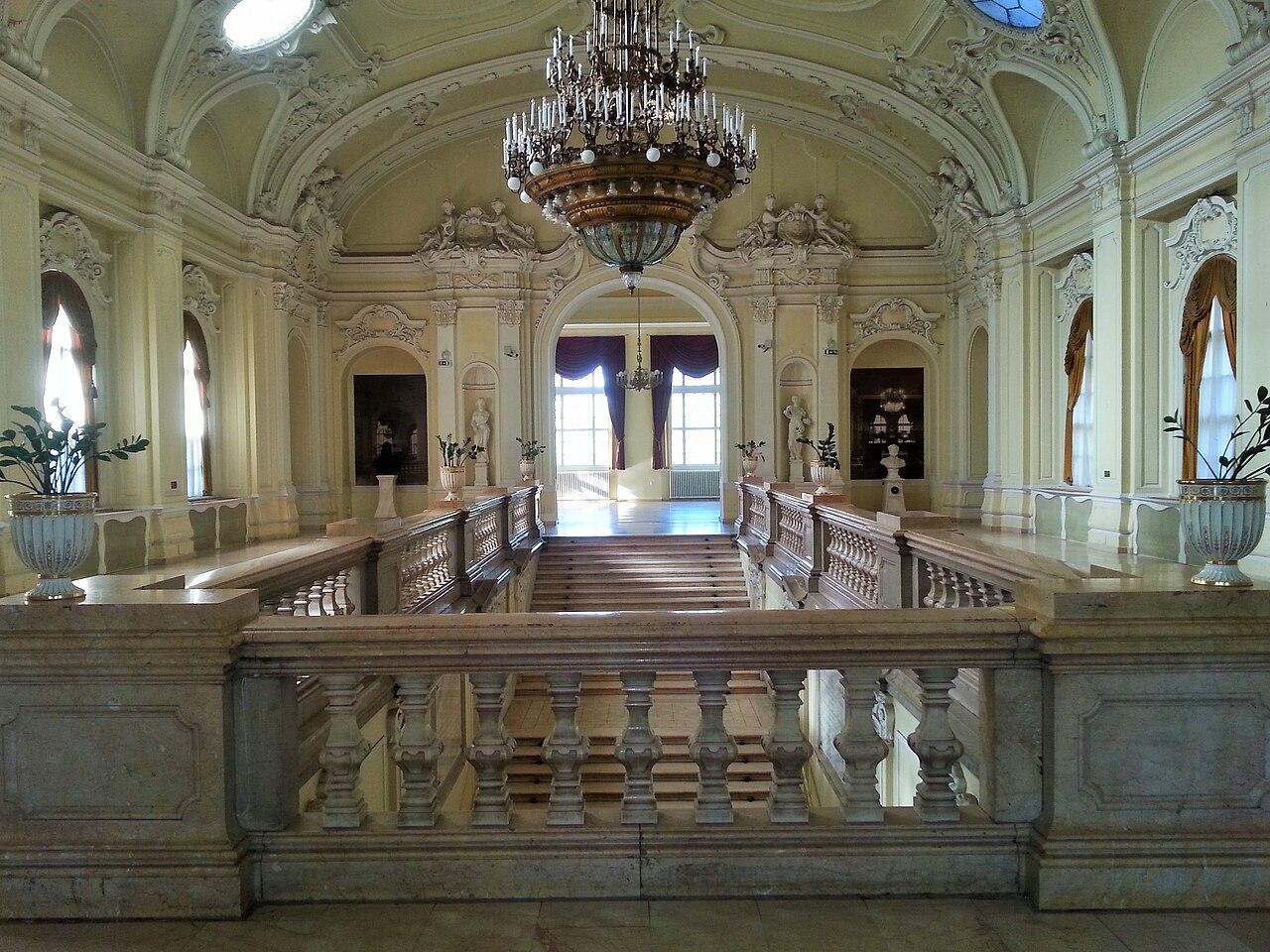
The Agricultural Museum, founded in the middle of the exhibition
Behind these doors sits a museum that is older than the building it stands in, because it was founded while the exhibition outside was still in full swing. On 20 June 1896 Ignác Darányi, the minister of agriculture, signed a founding charter stating that the country's farming should from then on be shown permanently and kept up to date. He already had a collection, since everything that had been gathered for the exhibition in the way of ploughs, forestry tools and hunting gear could simply stay where it was.
When the gates closed in the autumn, the new museum was handed the temporary buildings, and so the scenery suddenly had a resident and a reason to come back in stone.
It didn't happen quickly after that. The topping out of the Romanesque wing wasn't celebrated until October 1908, and the keys to almost fifteen thousand square metres changed hands in the summer of 1909. Both men who made this place eventually got their spot here. In May 1931 the statue of Darányi was unveiled, and on 18 November of that same year came the one of the architect Alpár, who had himself portrayed in a medieval guild master's costume.
We leave the castle by the bridge on the north side and keep going until the ochre walls of the bathhouse appear among the trees.
Any feedback for this story?