The woman who left it all behind
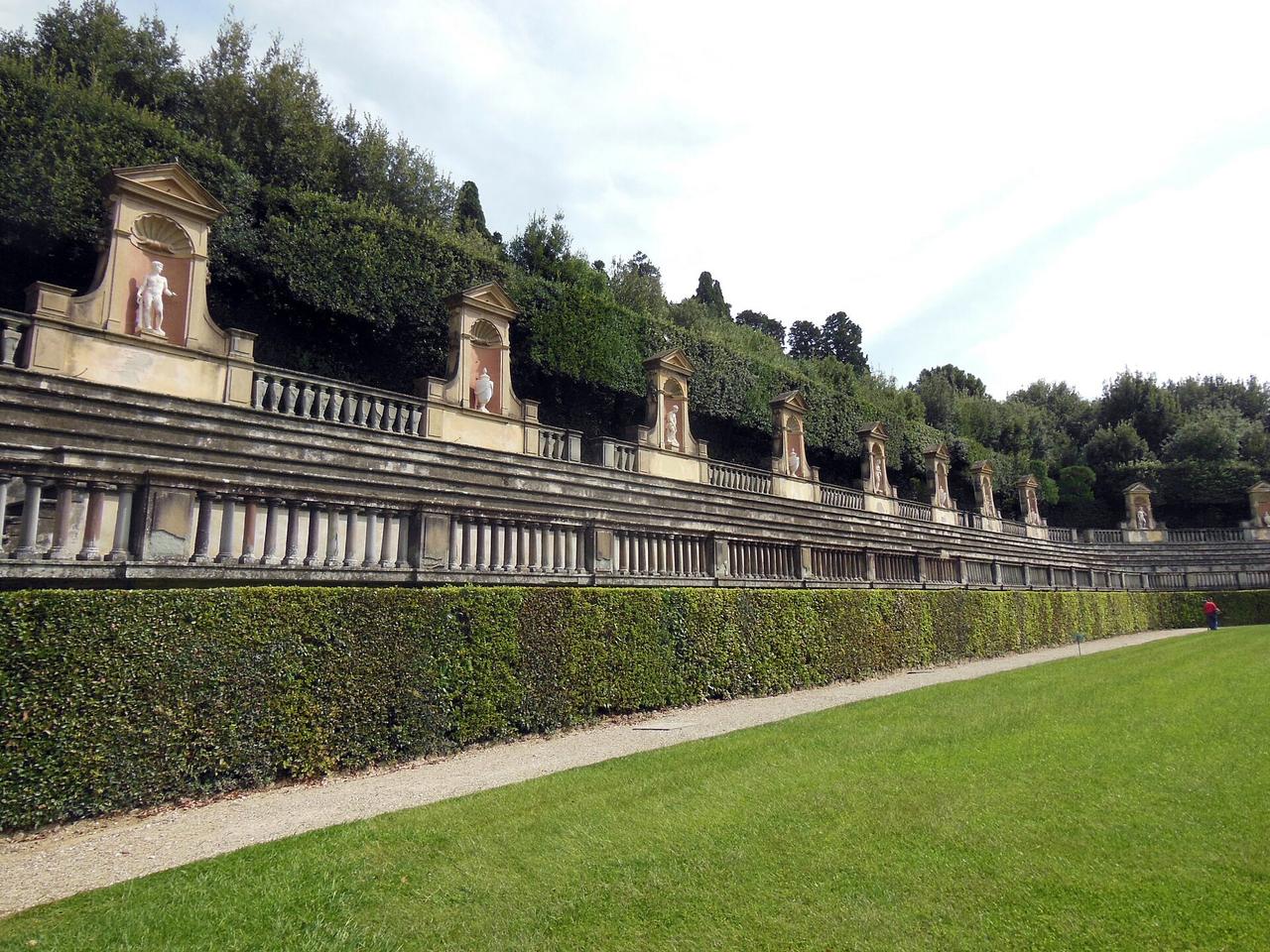
Behind this gate the garden rises up the hillside, with a half-moon lawn just above the palace that once served as a theatre. Eleonora had it laid out from 1550 onwards, and her descendants added grottoes, a long avenue of cypresses and a pond with an island, giving the court a world the city could never enter. You need a ticket for these grounds, and the climb rewards you with the view the family built it all for.
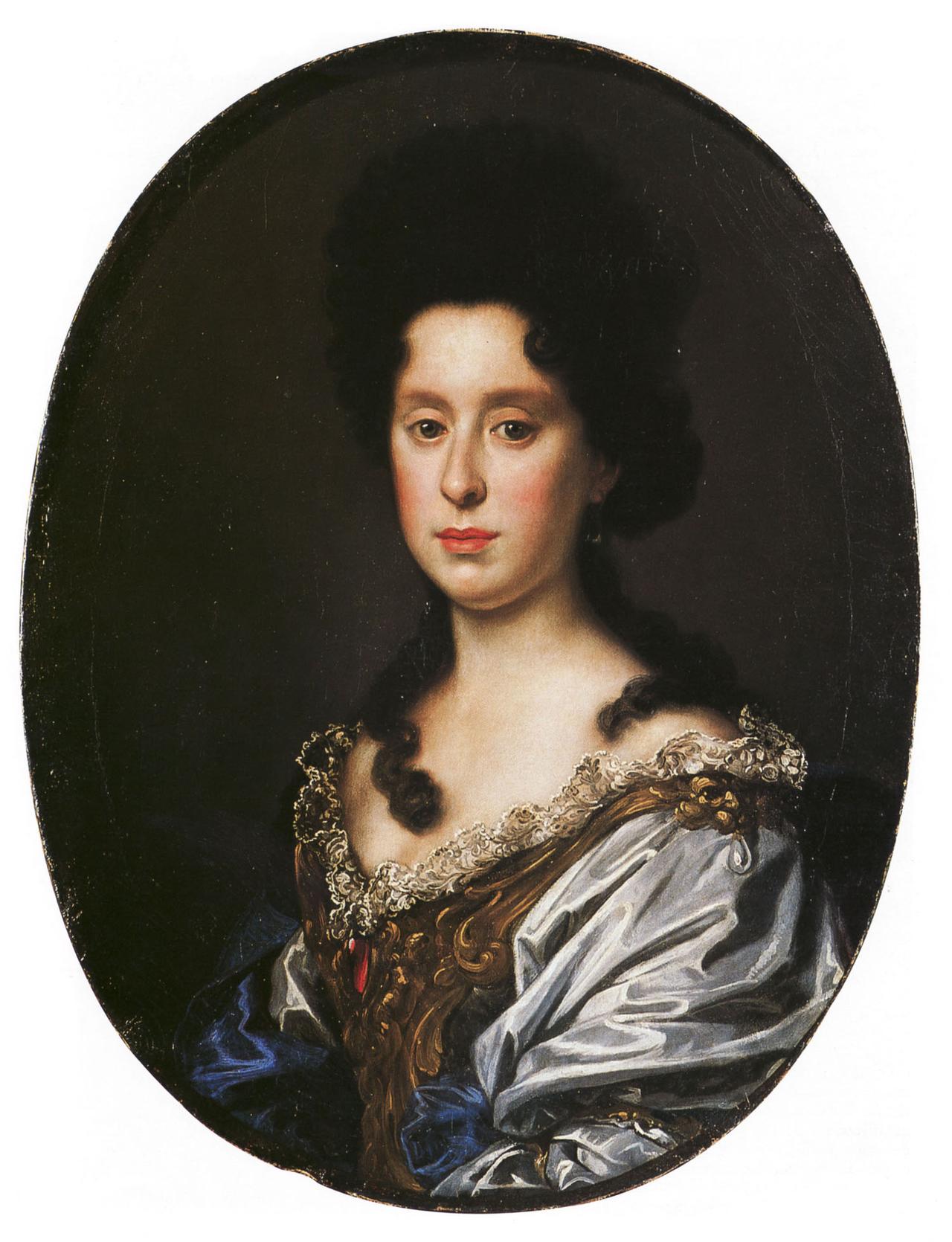
Their story ends here too. Gian Gastone, the last grand duke, died in 1737 without children, and the great powers had already promised Tuscany to an Austrian house. What remained was his sister Anna Maria Luisa, a widow who had returned to a palace where no one else still lived.
She did something the city still lives off every single day. In a treaty with the new ruler she set down that all the family's paintings, sculptures, books and jewels had to stay in Florence, forever, for the benefit of the public from every country. That made it impossible to sell them or carry them off, and it is exactly why the Renaissance still hangs here and not in Vienna or Paris.
You have walked alongside this family for three centuries, and thank you for that. If you want to carry on, our route across the icons of the city awaits, or the one through Oltrarno past the workshops. The starting point at Palazzo Medici is a fifteen-minute walk back over the Ponte Vecchio.
Any feedback for this story?