Mercado de San Miguel
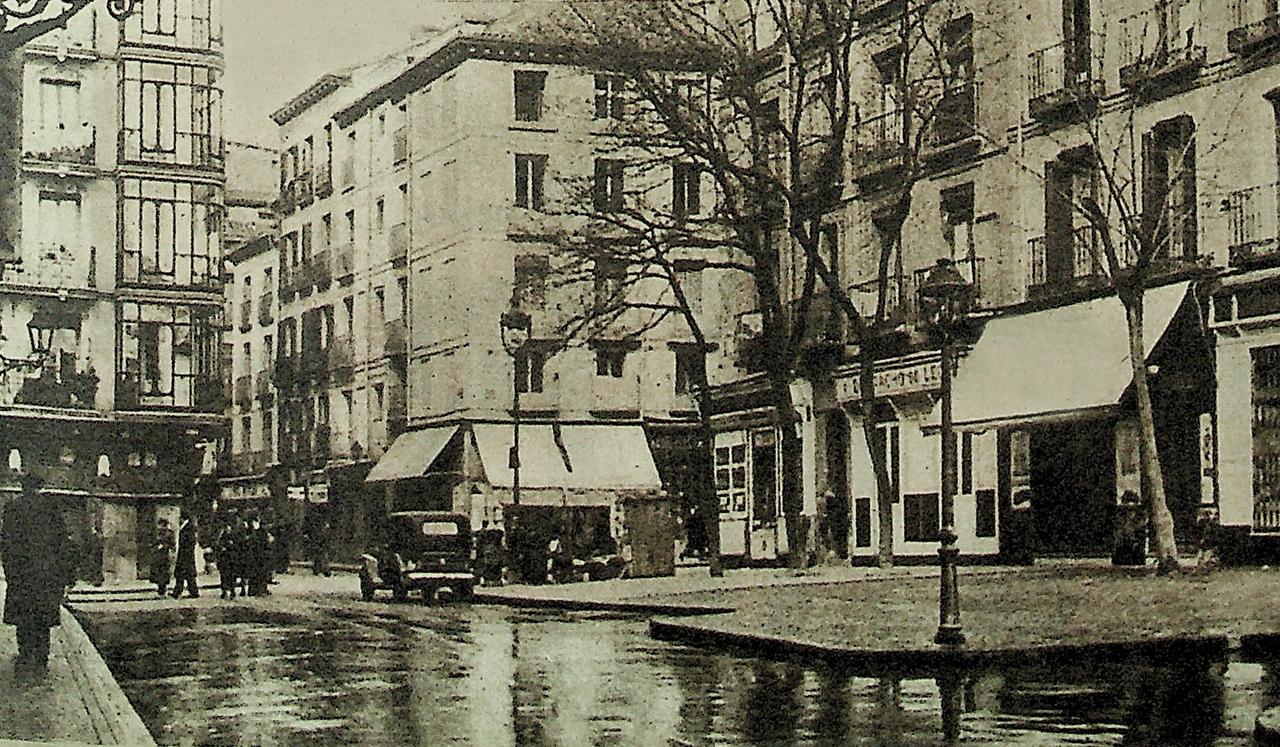
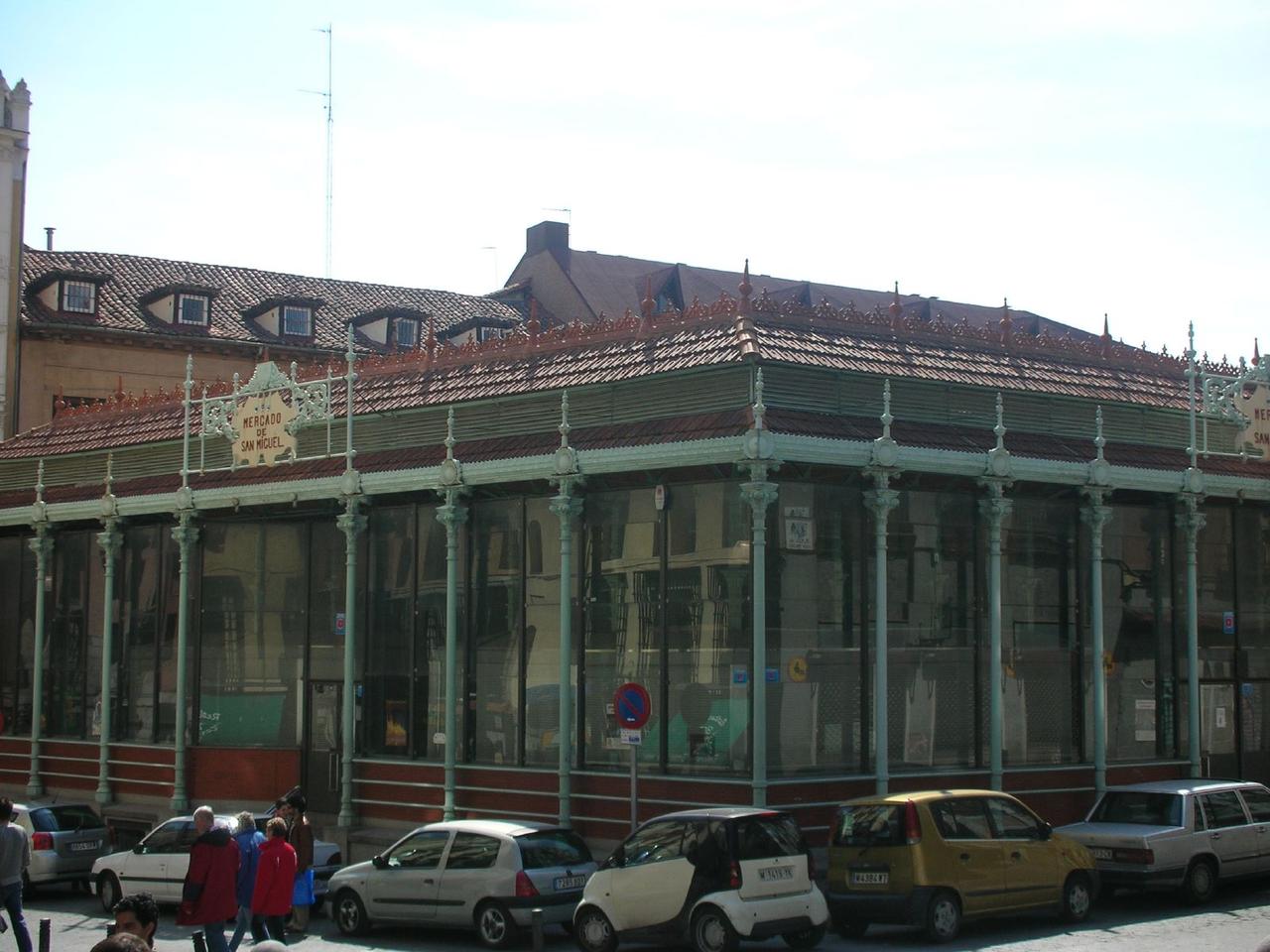
Between 1913 and 1916, a market hall of cast iron and glass rose here, on the spot once occupied by the church of San Miguel de los Octoes. According to the parish records, the newborn Lope de Vega, the great playwright of Spain's Golden Age, was baptised in that church. In those years Madrid put up dozens of these covered halls, meant to replace the chaotic open-air markets and give the city a cleaner, more modern face.
Nearly all of them were torn down over the twentieth century or hidden away behind concrete facades. This one survived, and if you look up while you're inside, you'll see why it's worth the trip. The whole structure is a framework of iron beams and glass, with no load-bearing walls, something that counted at the time as the most advanced thing a city could afford.
There are no vegetable stalls here any more. The hall was rebuilt in 2009 as a food market, which has made it the busiest and the priciest of all of Madrid's markets, a strange turn for a building that once handled the neighbourhood's daily shopping.
We leave the hall on the side of the Plaza de San Miguel and follow the Calle Mayor west, until a small square opens up on the left with a brick tower standing on it.
Any feedback for this story?