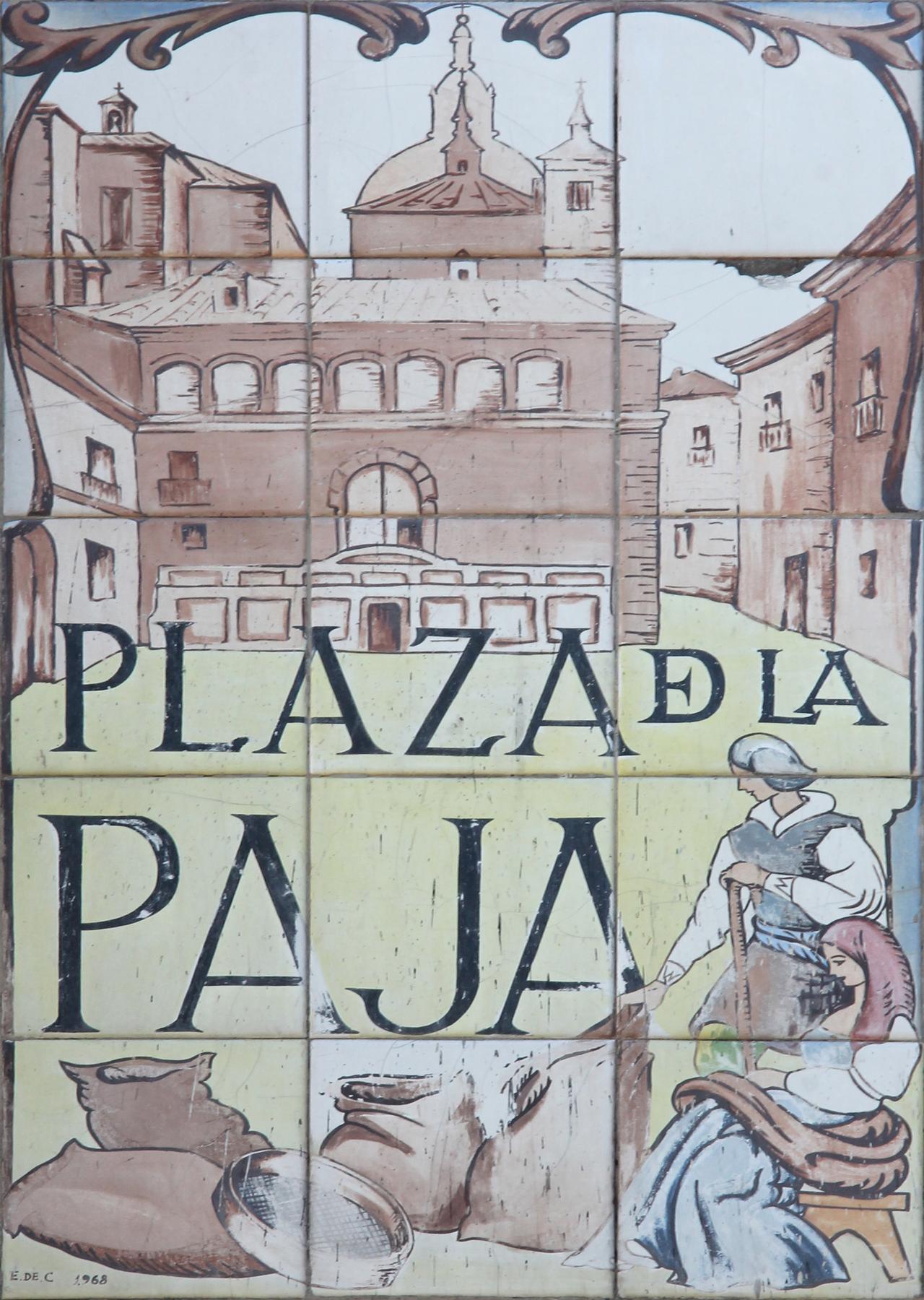
Plaza de la Paja
This triangular square was the heart of Madrid before the Plaza Mayor ever existed, the place where the market stood and where the palaces of the most powerful families clustered around it. The name comes from the straw that was delivered here as a church tax, feed for the clergy's livestock.
Beneath your feet lies the problem every dense city eventually runs into. For centuries the dead were buried in and around the churches, so quite literally among the living, in vaults below the floor and in little graveyards only a few metres across, like the one behind the Buena Dicha that we pass on our walk about the second of May. Every epidemic brought in more than there was room for.
In 1787, Charles III put a stop to it with a royal decree that banned burials within the built-up area and moved the cemeteries out beyond the city, on grounds of public health. It was one of the least popular measures of his reign, because families wanted to keep their dead close to home, and it took decades before it was followed everywhere.
The Calle de la Pretil de Santisteban takes us down to the Calle de Segovia, where a high bridge runs across the street.
Any feedback for this story?