The synagogue that never was
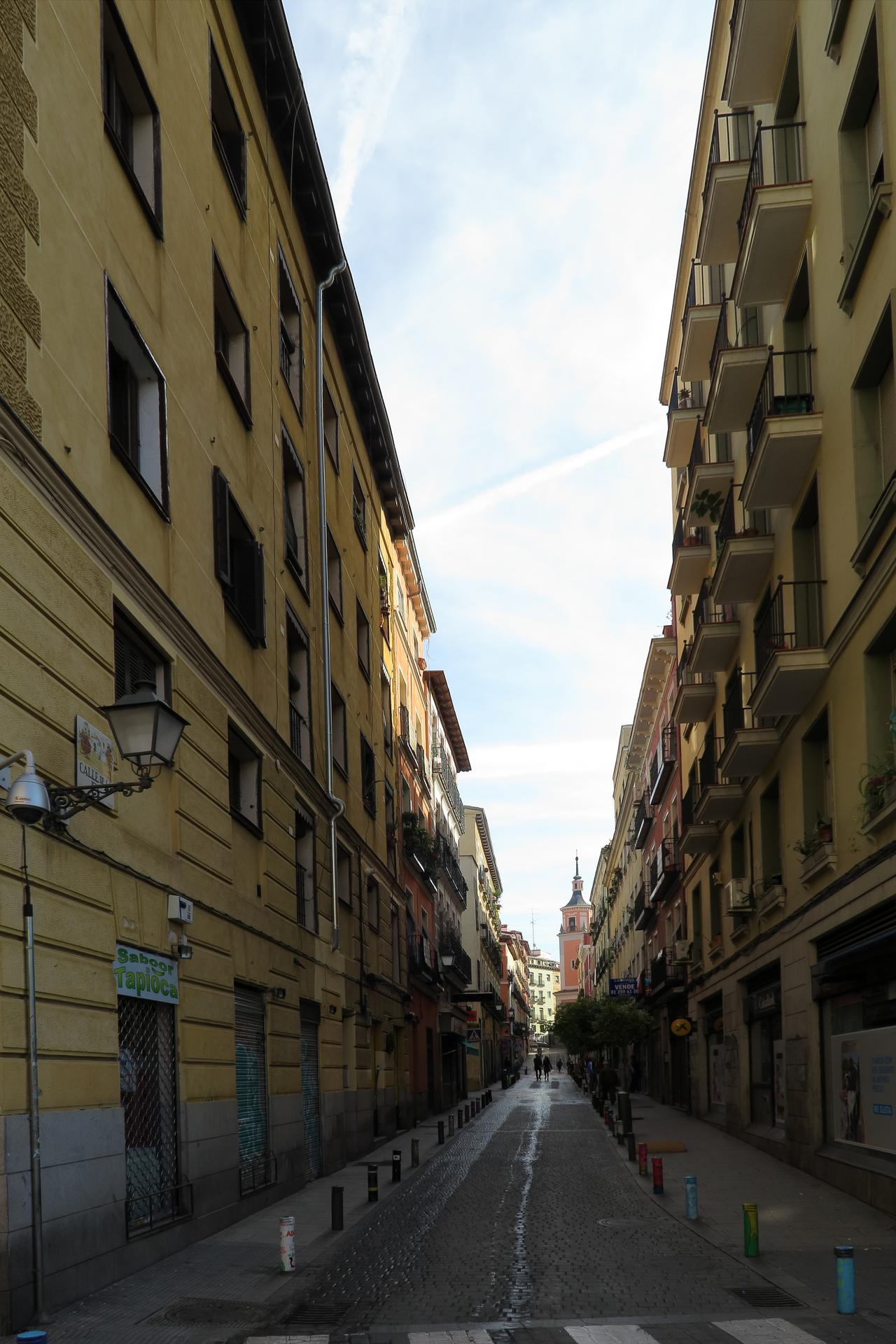
The street you're standing in now is called the Calle de la Fe, the street of faith, and at the end of it stands the church of San Lorenzo, which for over two centuries has been said to sit on the site of Madrid's synagogue, with the name Lavapiés supposedly coming from the washing basin that went with it.
It's a lovely story, and the evidence points the other way. Mesonero Romanos, the great nineteenth-century chronicler of Madrid, already traced its origin to the playwright Ramón de la Cruz, who turned this neighbourhood into a stage set in the eighteenth century, and later chroniclers repeated it until it became fact. Medievalists have since pulled it apart. Before 1492, Madrid sat inside its walls near today's Cava Baja, kilometres from here, while out here there were fields where almost nobody lived. A Jewish quarter would also have needed gates that closed at night, and those were missing here. Excavations beneath the Almudena cathedral point to the real judería, on the other side of the city.
What this story does tell us is something about the nineteenth century, when all of Europe was giving its cities romantic origins. A neighbourhood that was poor and had a bad name picked up a past that sounded better than the evidence, and that past has stuck.
We head back through the Calle de la Fe and then west, and we're soon on the Plaza de Lavapiés again.
Any feedback for this story?