Bellinkstraat
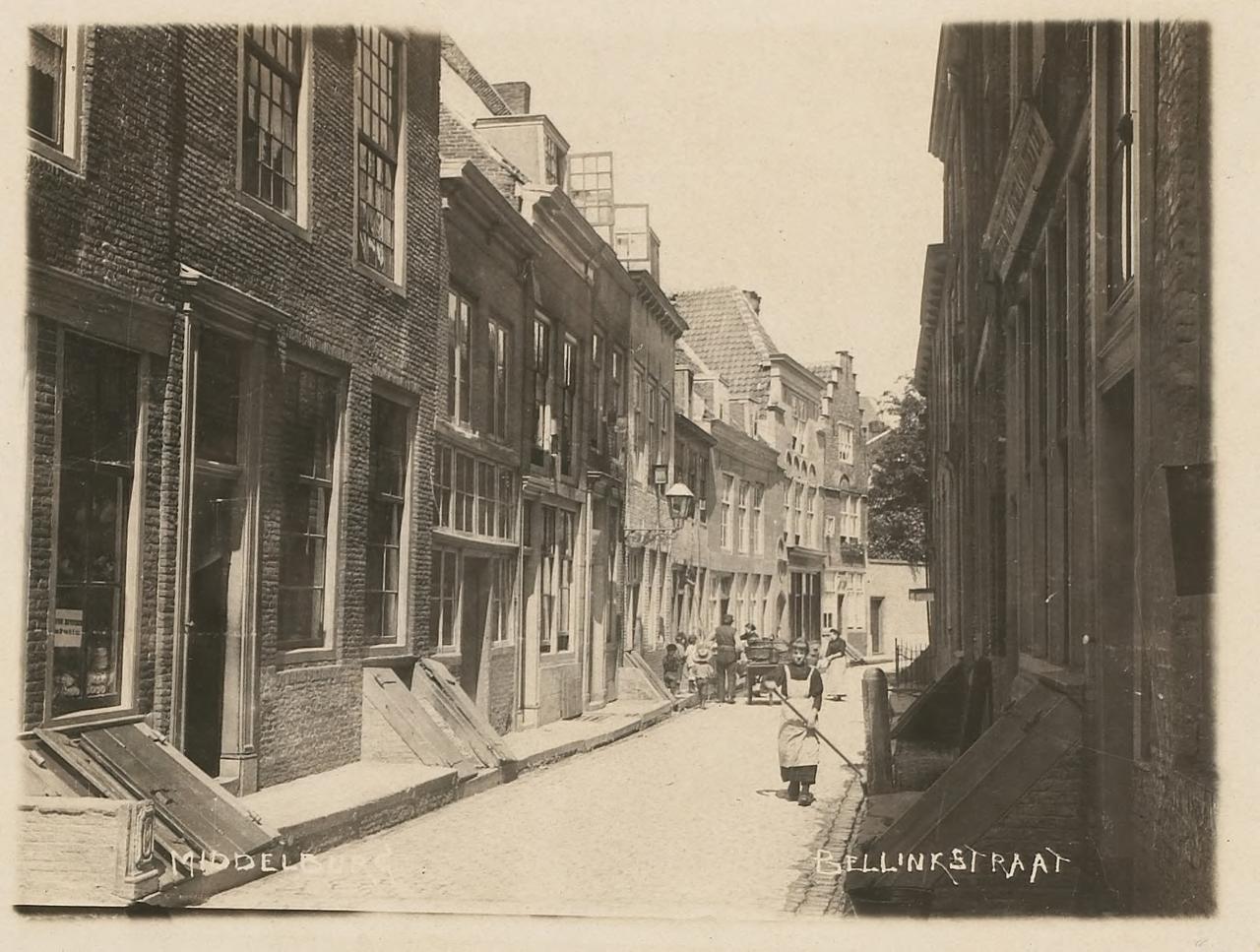
In the Middle Ages this narrow street was called Belck or Bellinck, a word for a fenced piece of land used in common, for instance to bleach the laundry.
In the seventeenth and eighteenth centuries you would have found the lodging houses of the so-called volkshouders here. A volkshouder sold board and lodging to sailors stuck ashore between two voyages, and at the same time acted as a go-between for the trading companies. If you needed to crew a ship, you went to the volkshouder, and he delivered the men.
The system had a darker side. A sailor who ate and slept on credit for months built up a debt with his landlord. That debt was paid off with an advance on his wages, and the advance went straight to the volkshouder the moment he signed on. The longer you waited for a good voyage, the less say you had over which ship you ended up on.
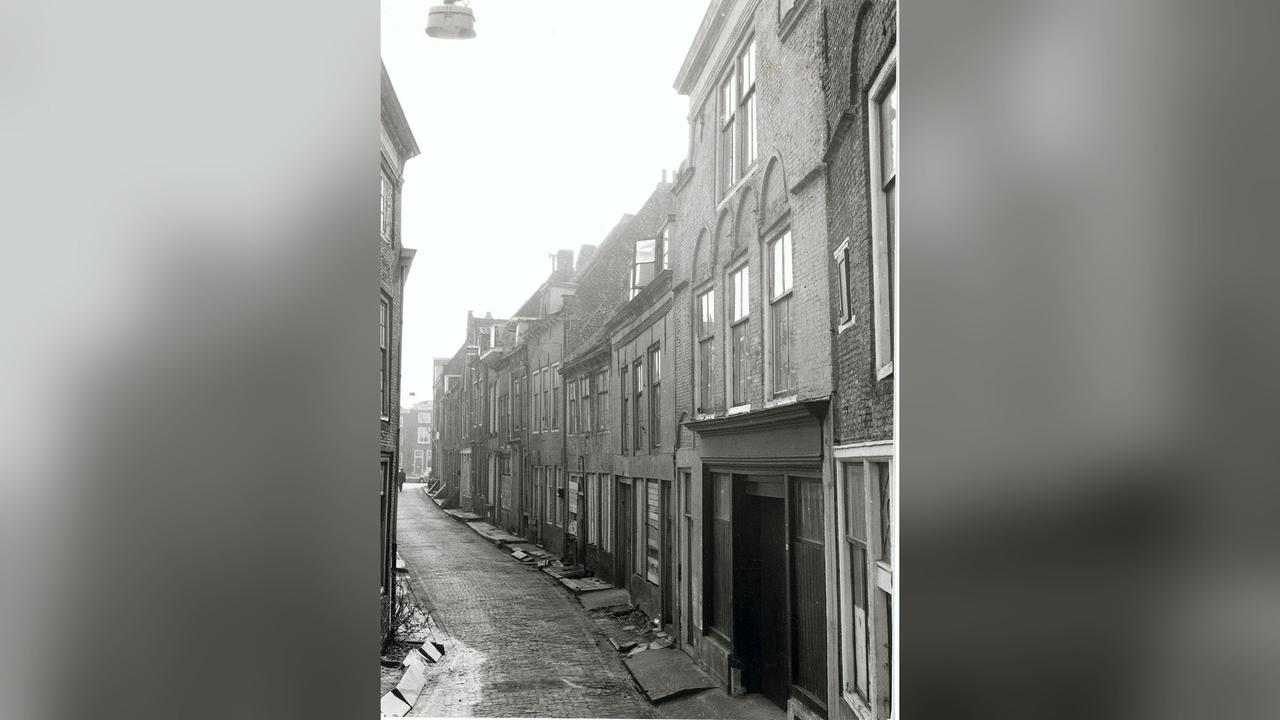
In the nineteenth century the street fell into decline. Parents warned their children to walk down the middle of the Bellinkstraat, otherwise the fleas would jump on you. That was no joke. Fleas meant too many people in houses that were too small, sometimes several families in one building, sharing a single toilet between a whole row. Only with the Housing Act of 1902 did requirements arrive for water supply, sewerage, light and air.
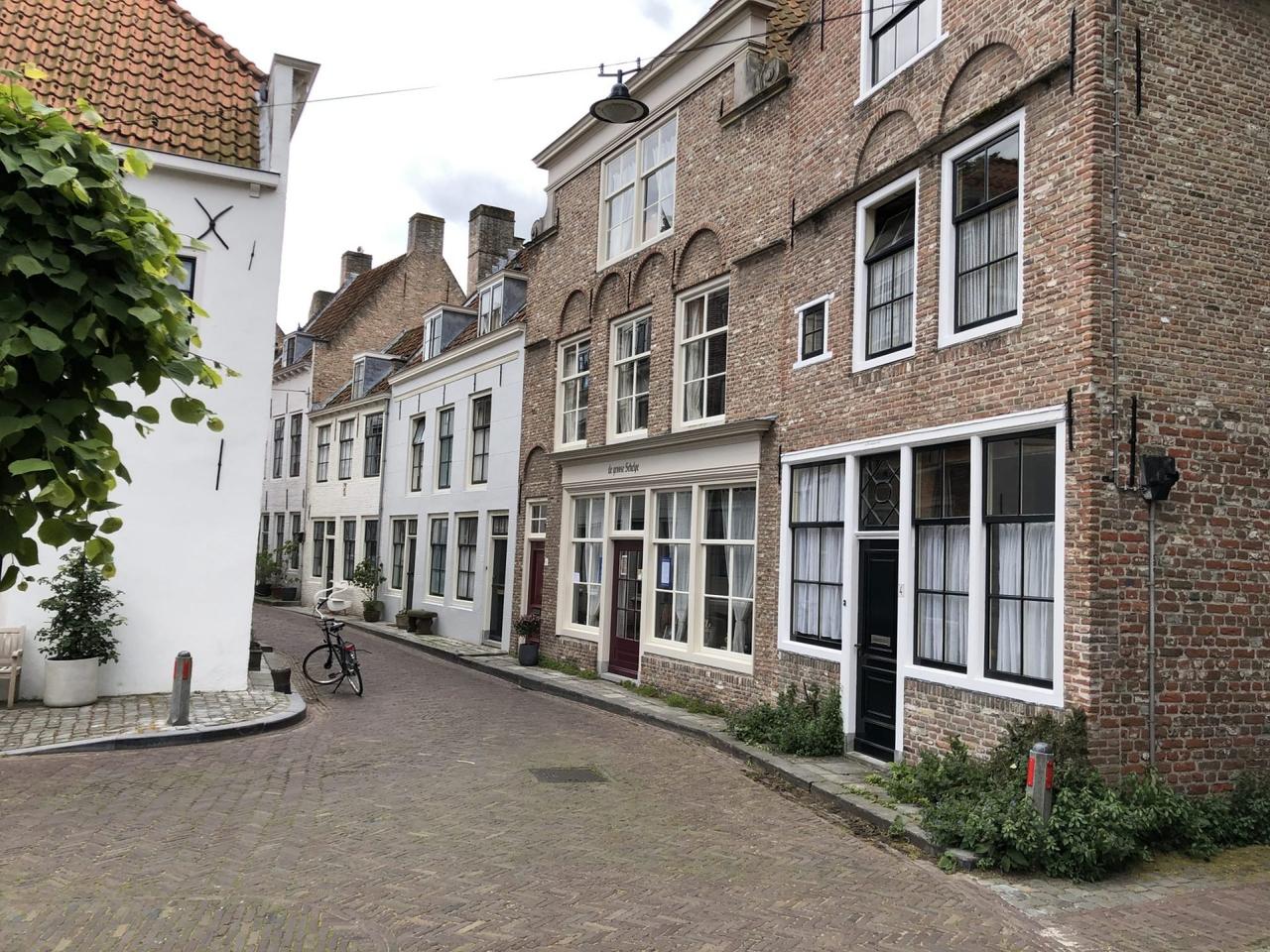
Around 1970 only three families were still living here. The housing association did up the entire street, and ever since it has been one of the loveliest streets in Middelburg.
We walk back out of the street, towards the Dam.
Any feedback for this story?