Kinderdijk
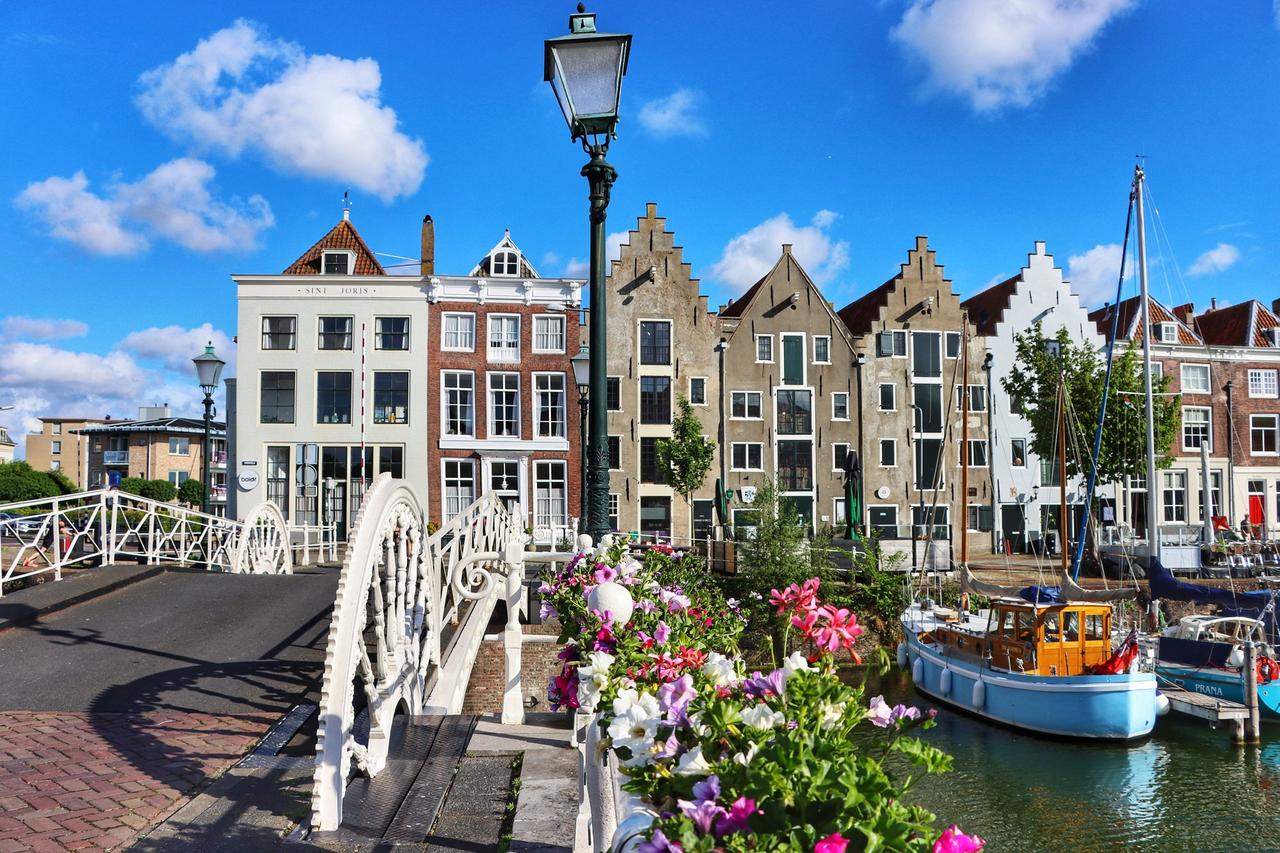
On the corner here you'll find four warehouses from the late sixteenth century, and they carry the names of beasts of burden. The Oliphant, the Kemel, and the Muyl, which means mule. Anyone who named their warehouse after an elephant or a camel was telling the world exactly where their wares had come from.
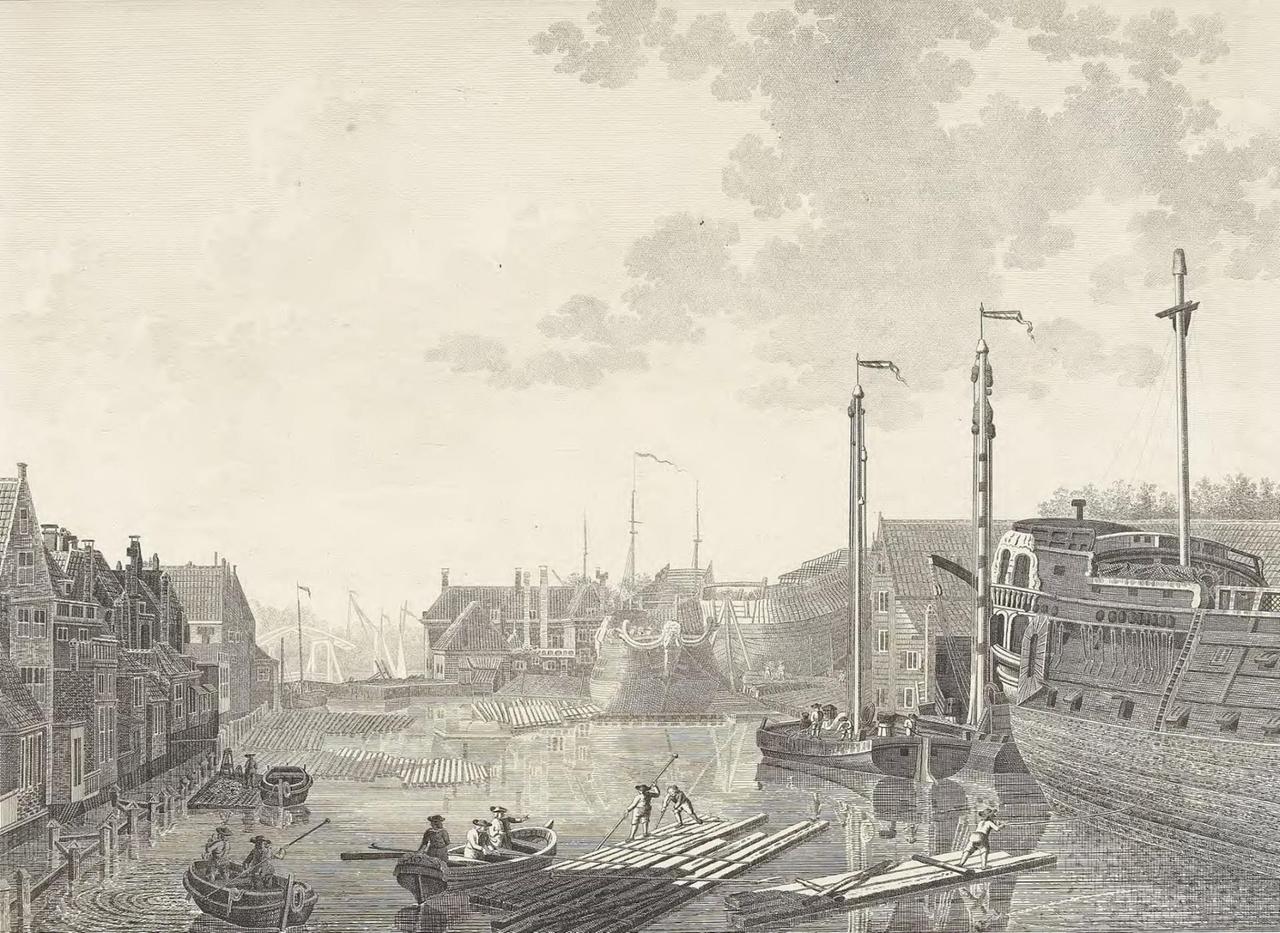
They didn't end up here by chance. Between 1532 and 1535, Middelburg had a harbour canal dug, because the old creek called the Arne kept silting up and seagoing ships could no longer reach the town. That canal brought trade literally to the back of these doors.
What left these warehouses for the open sea is less familiar than you might think. The image that sticks is one of beads and trinkets, but the cargo lists show those made up around five percent. The rest was silk fabrics, gunpowder, iron, weapons and gin. And something was stored here that we wouldn't recognise as money. Cowrie shells, little shells from the Indian Ocean that the VOC, the Dutch East India Company, bought up in the Maldives and used as currency in West Africa. During a restoration on the Spanjaardstraat, thousands of them turned up in a back garden.
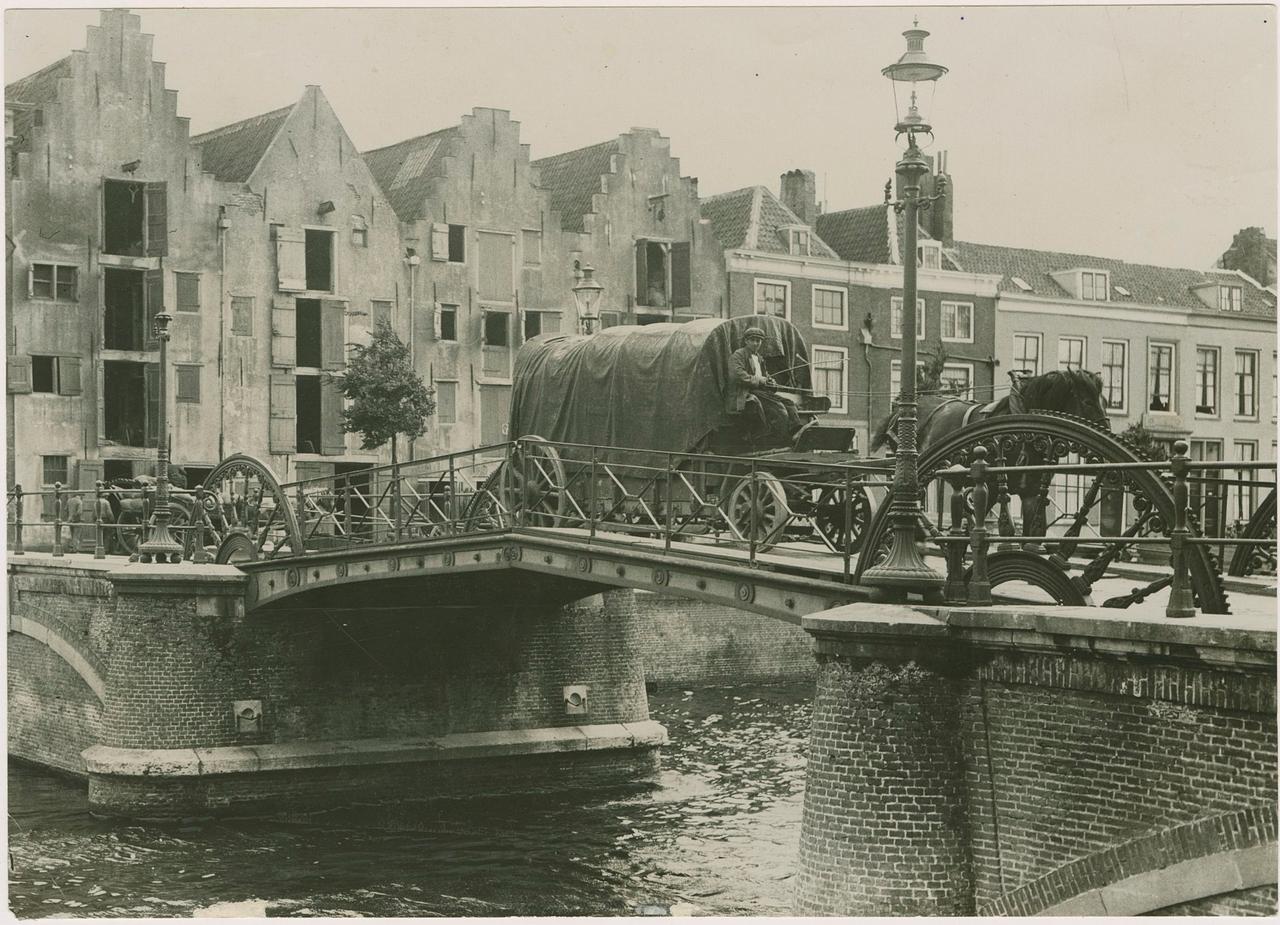
The bridge beside us is called the Spijkerbrug, and that name has nothing to do with nails. Spijker, or spiker, is an old word for warehouse, related to the German Speicher. So the bridge is named after the very buildings we're standing in front of.
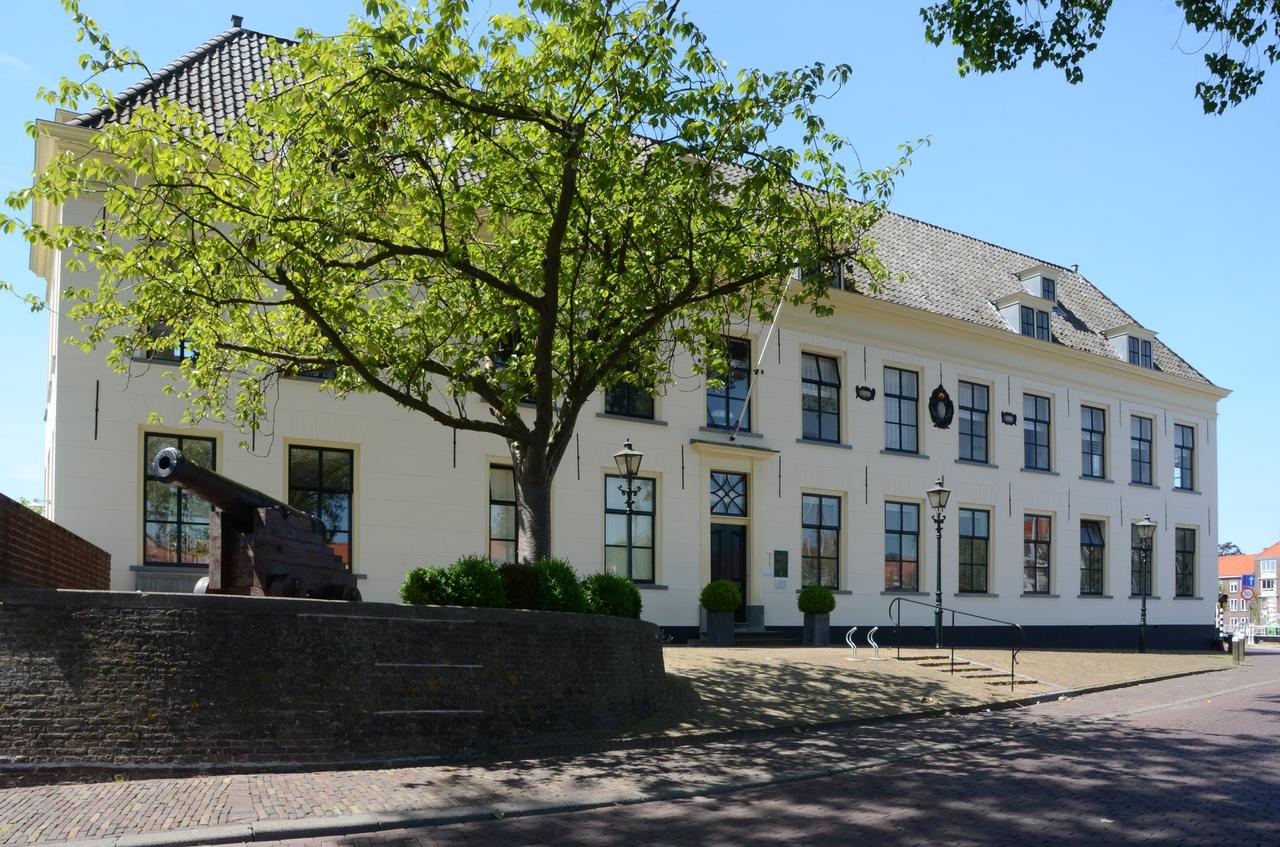
Take a moment here too for the VOC building of the opperequipagemeester, the chief outfitting master, which we talked about at the last stop. Above the main entrance you can see the company's monogram, with the Z for Zeeland and the M for Middelburg.
We cross the Spijkerbrug and turn left on the other side. After about a hundred metres along the water, we arrive on the Rouaansekaai.
Any feedback for this story?