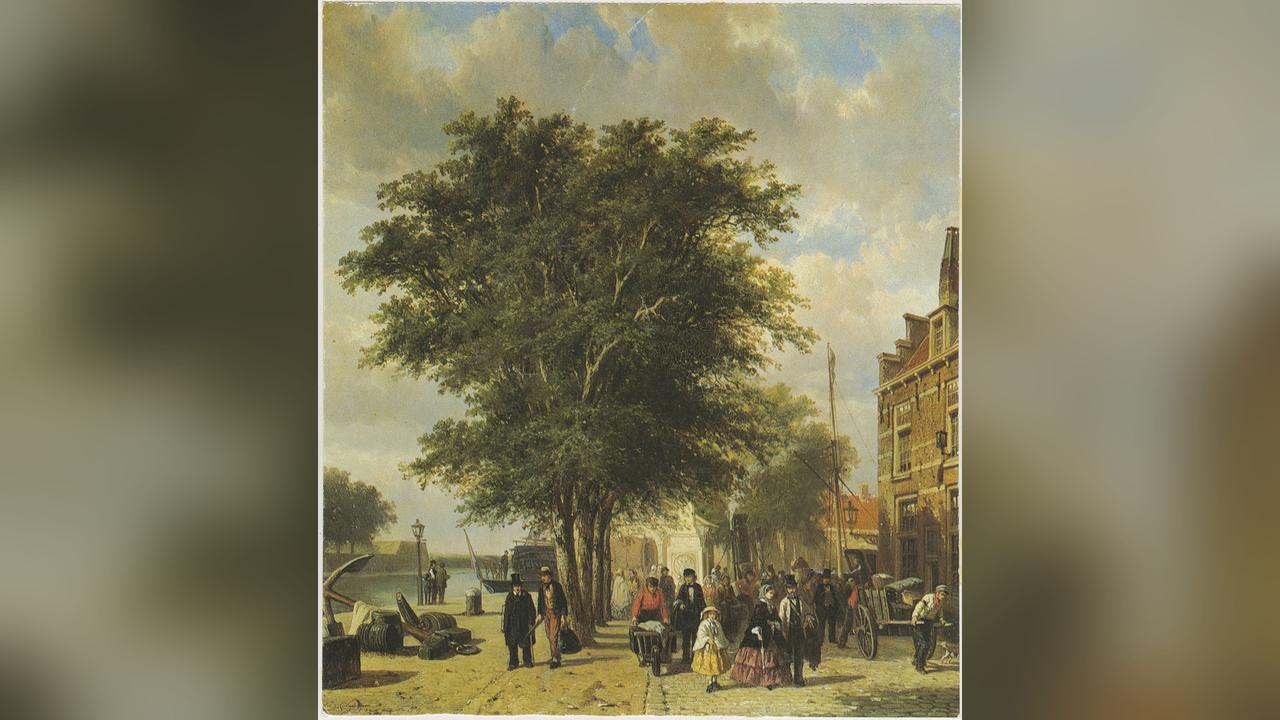
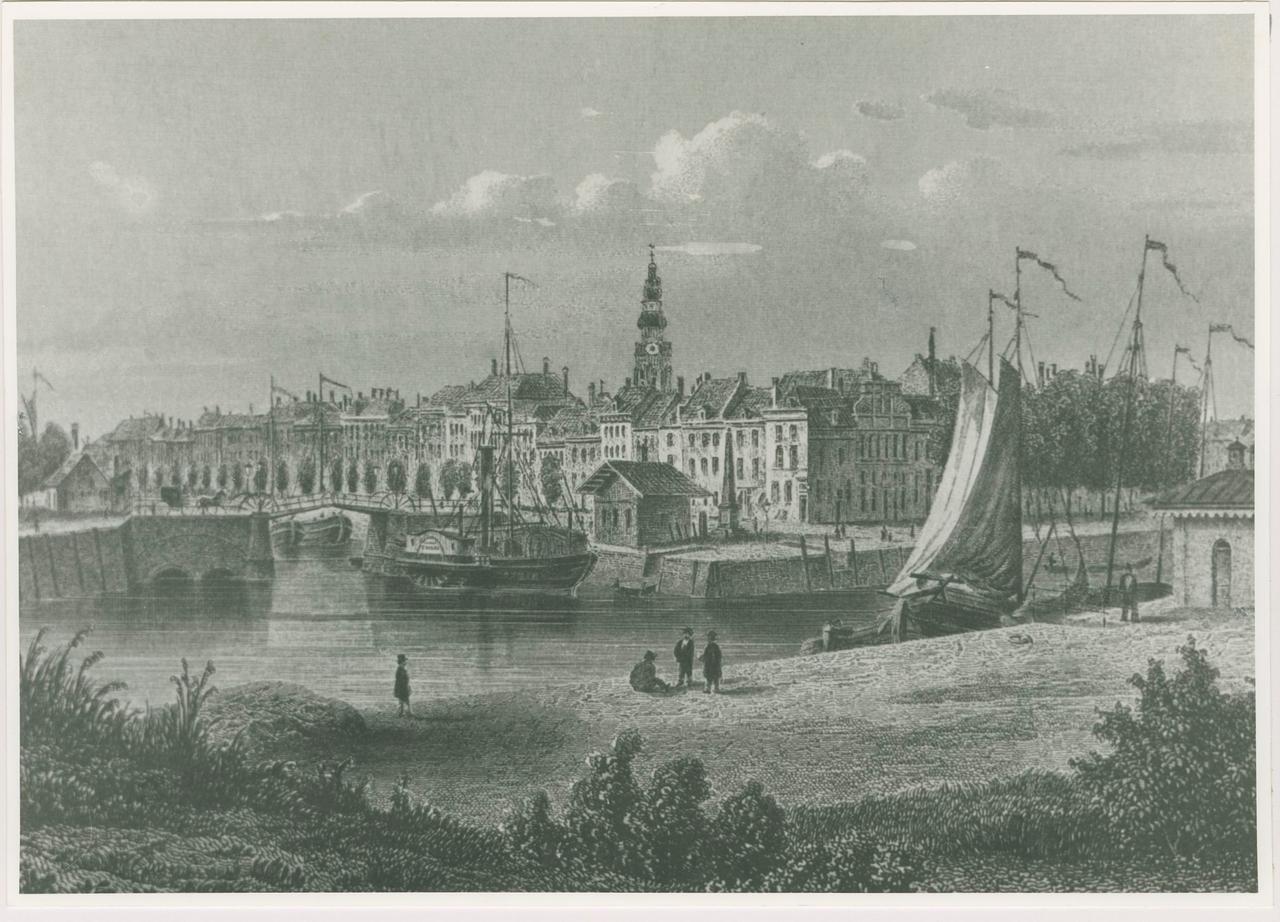
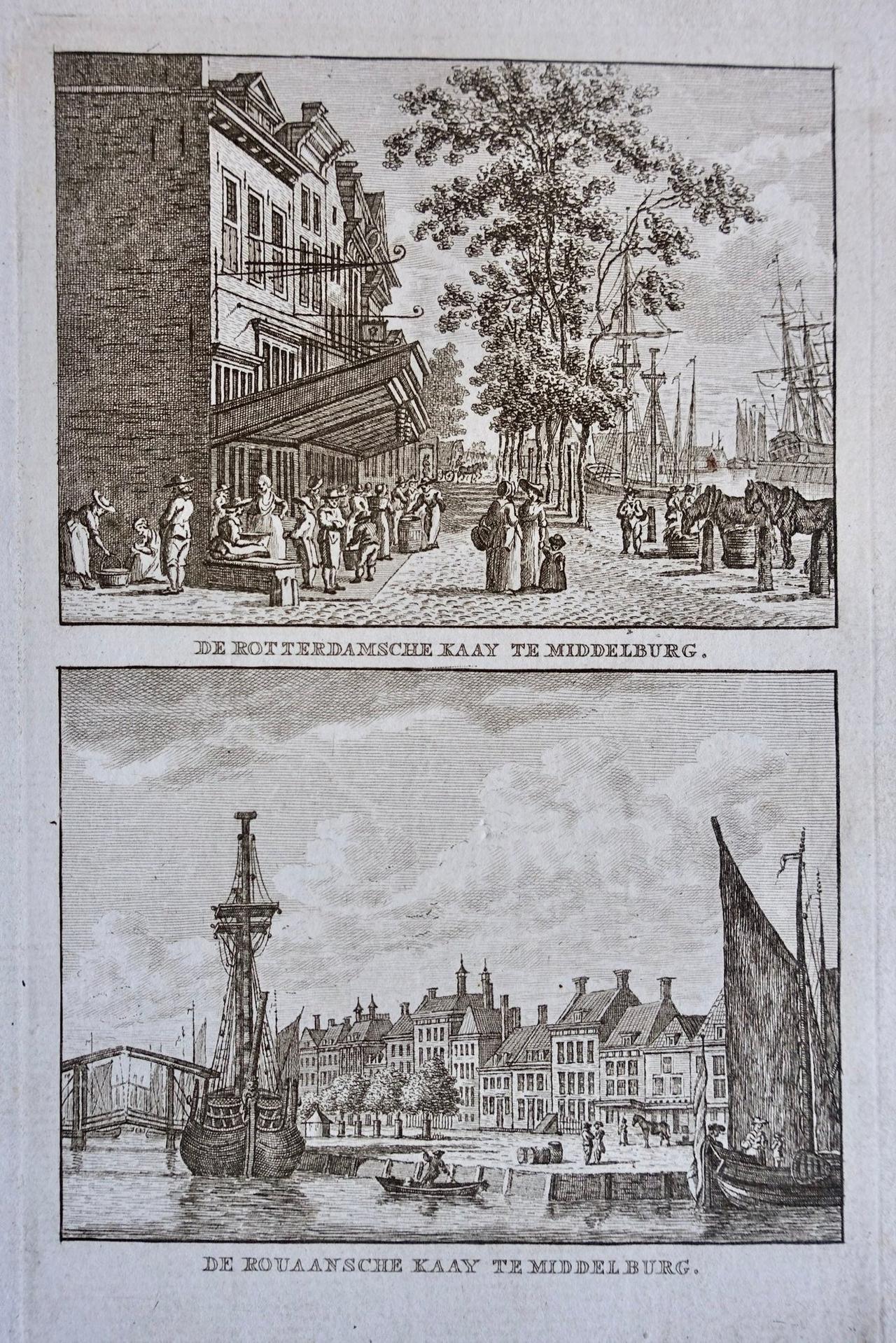
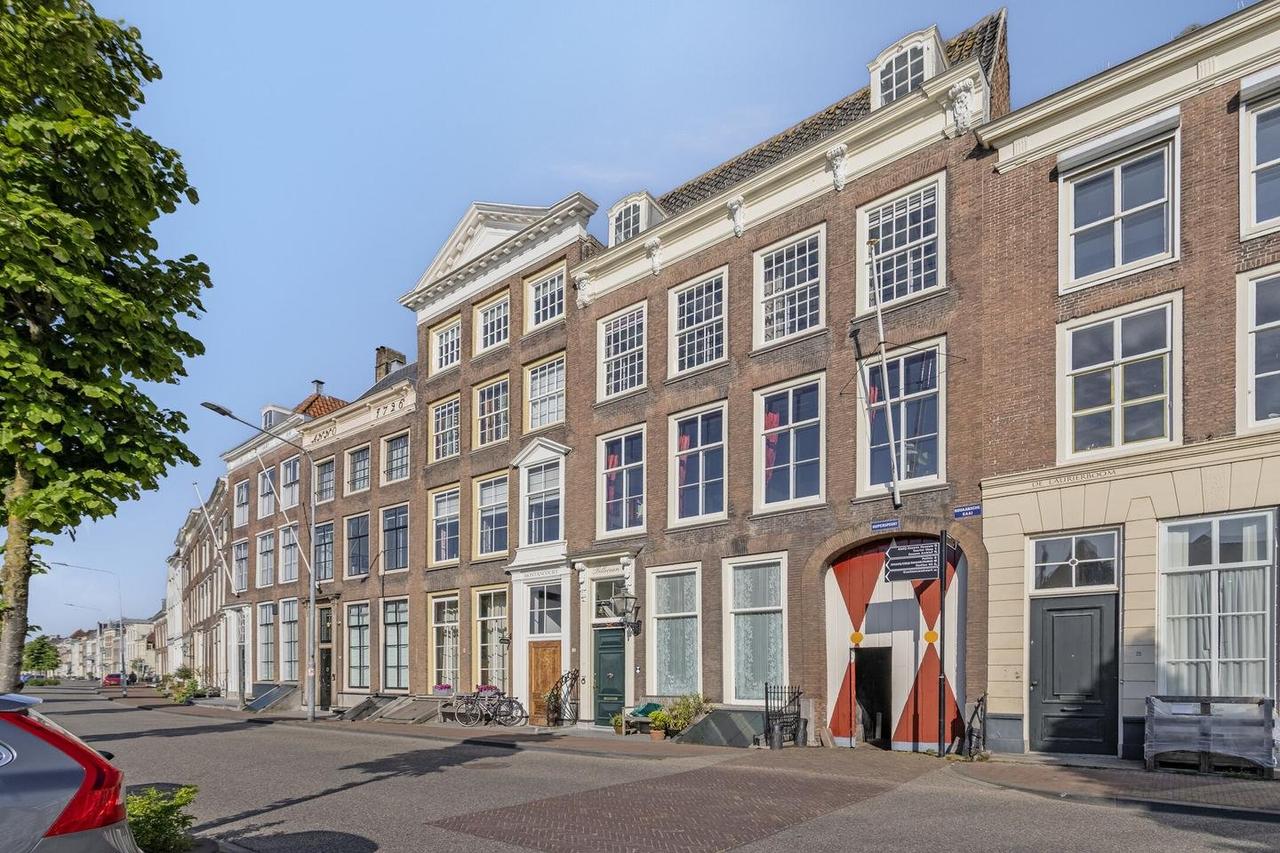
Rouaansekaai
The ships moored here didn't all sail with permission.
The Dutch West India Company held a monopoly on trade with West Africa, which meant nobody else was allowed to do business there. In Zeeland, people paid little attention to that. Dozens of ships left from here to trade illegally along that coast, and they were called lorrendraaiers. Lorre means crook, and draaien means to make off.
The punishment was harsh. Anyone caught lost ship and cargo, and the crew risked the death penalty. That didn't scare anyone off. Between 1698 and 1724 there were nineteen sea battles between smuggling ships and company vessels, and roughly a hundred and fifty sailors on the company's side lost their lives. At the end of 1718, the WIC frigate the Faam was hit in its powder room off the African coast and sank, with most of the crew still on board.
The company ended up so short of men that it hired nearly thirty former smuggler captains. Five of them became commanders on a ship whose job was precisely to hunt down smugglers.
According to maritime historian Ruud Paesie, who earned his doctorate on the illegal trade with West Africa, the line between legal and illegal in Zeeland was thin to begin with. He regularly came across people who were directors at the WIC one moment, and investing in a lorrendraaier the next. Those two worlds were completely tangled up together here.
We walk on for about eighty metres along the water and then reach a gate on the left.
Any feedback for this story?