The fortress in the paving stones
A line of lighter stones runs through the pavement, and that line traces the ground plan of the Bastille. Eight towers, walls twenty-five metres high, a moat around the whole thing. Follow the line and you cross the courtyard where the governor surrendered before he was killed in the street.
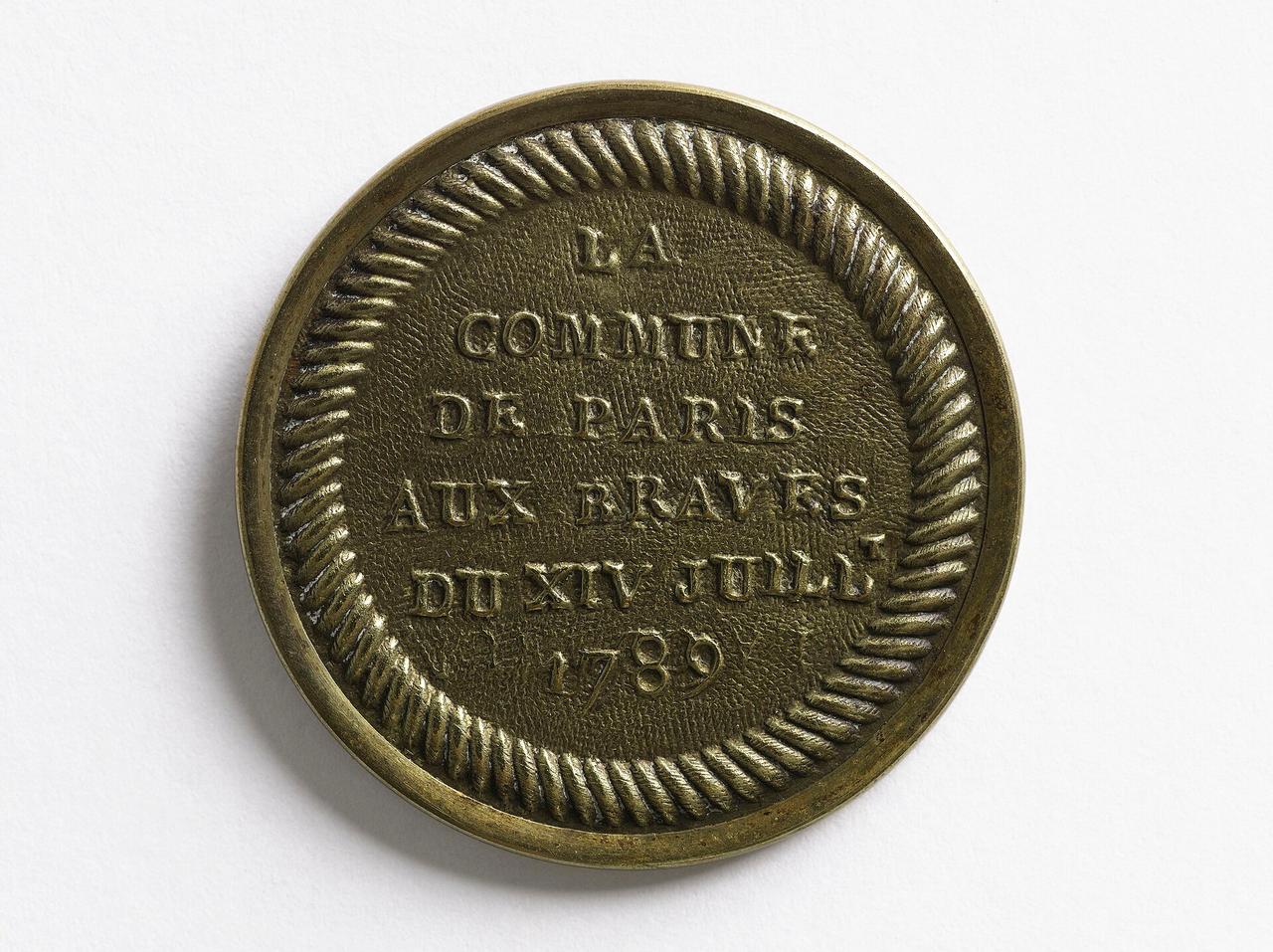
The building vanished in less than a year, and that was the work of one man. The contractor Pierre-François Palloy was handed the job of tearing it down, and he saw a business in it. He had the stones carved into small models of the Bastille and sent one to every department of France, each with its own certificate. From the debris he made medals, inkwells and paperweights, and he sold them as relics of freedom. The man grew rich on it and started calling himself Palloy le Patriote.
A piece of the real fortress can still be seen, and it sits underground. On the platform of metro line 5 stands a chunk of the counterscarp, the outer wall of the moat, just there among the commuters.
We head into the Rue Saint-Antoine, but first we turn to face the column in the middle of the square.
Any feedback for this story?