What Came After
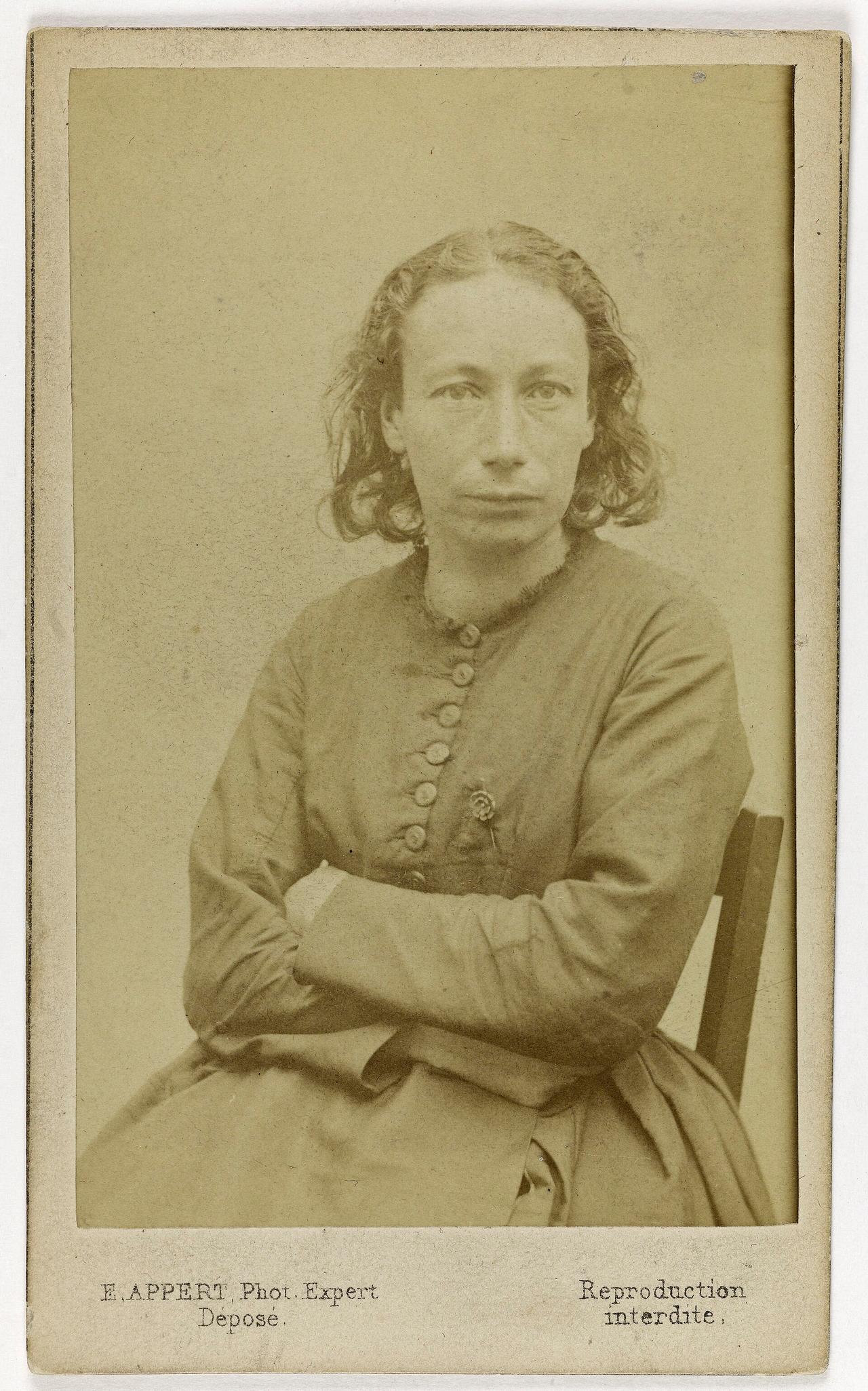
The Commune lasted seventy days, and it has echoed through everything since. Around four thousand of those convicted were shipped off to New Caledonia, on the far side of the world. Among them was Louise Michel, who learned the language of the Kanak people there and backed their uprising against France. Amnesty didn't come until 1880, when the survivors were finally allowed to return home.
Meanwhile, on the hill across the city, the Sacré-Cœur rose up, built as an act of penance for what France had done to itself, right on the spot where the uprising had begun. That basilica is the subject of our walk through Montmartre.
Much of what the Commune fought for became ordinary soon enough: free schooling, the separation of church and state, protections for tenants. And the song that Eugène Pottier, himself a member of the Commune, wrote in June 1871, the Internationale, came to be sung in dozens of languages. The melody wouldn't follow for another seventeen years.
This is where our walk ends. You leave the cemetery on the east side, and the métro stops Alexandre Dumas and Philippe Auguste are both a short ten-minute walk away.
If you want to keep going, our walk through the Revolution waits on the other side of the city, running from the Bastille to the Concorde. Enjoy the rest of your day in Paris!
Any feedback for this story?