The field that held an entire city
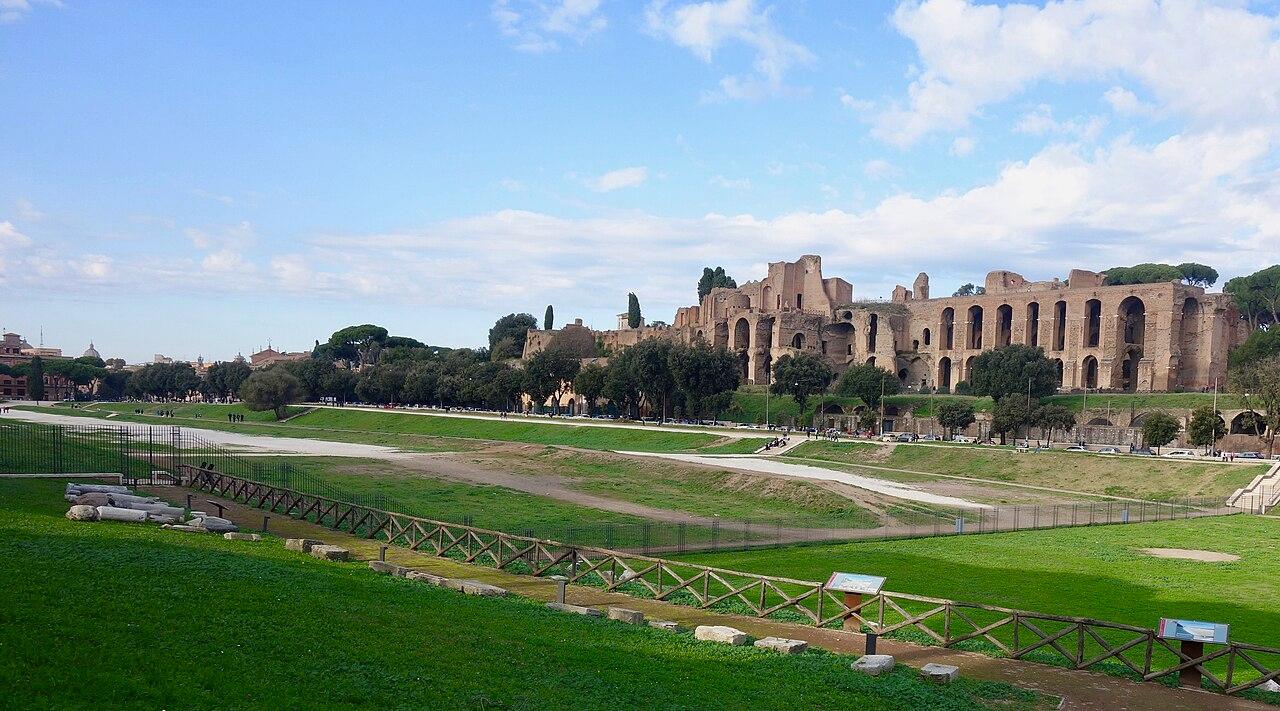
This six-hundred-metre strip of grass is the largest open space in central Rome, and it once held a quarter of a million people. The Circus Maximus was the track for chariot racing, and by its final expansions it had an estimated two hundred and fifty thousand places, more than any stadium built since.
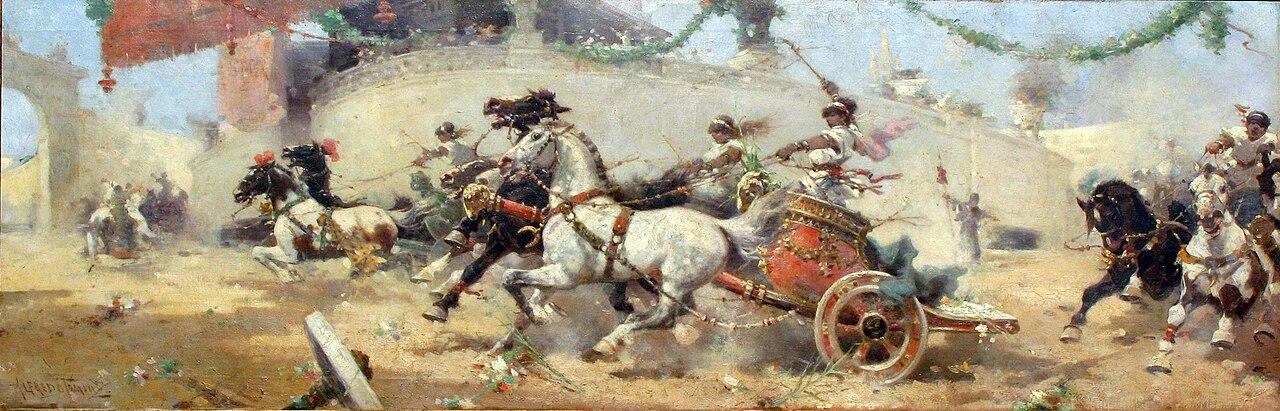
The races were run between four stables, each with its own colour: red, white, green and blue. Spectators stayed loyal to one colour their whole lives, money and sometimes blood were spilled over it, and the most successful charioteers earned more than senators. One of them, Gaius Appuleius Diocles, retired after twenty-four years with a fortune that could have funded an army.
Down the middle ran a long stone central barrier covered in statues, basins and obelisks. The obelisk that stood here now stands on Piazza del Popolo, and a second was moved in the sixteenth century to the square beside the basilica of St John Lateran.
The faint ridge in the centre of the field is worth looking for, because that is where the barrier ran. Along the long side you can see the slope of the Palatine, and halfway along stood the imperial palaces with a box that looked straight out over the track, so the emperor could watch without leaving the building.
Today it is a field with joggers and the occasional concert for tens of thousands, which is closer to its original purpose than it might first seem.
We follow the northern side of the field towards the Tiber until we reach the little square with the round temple.
Any feedback for this story?