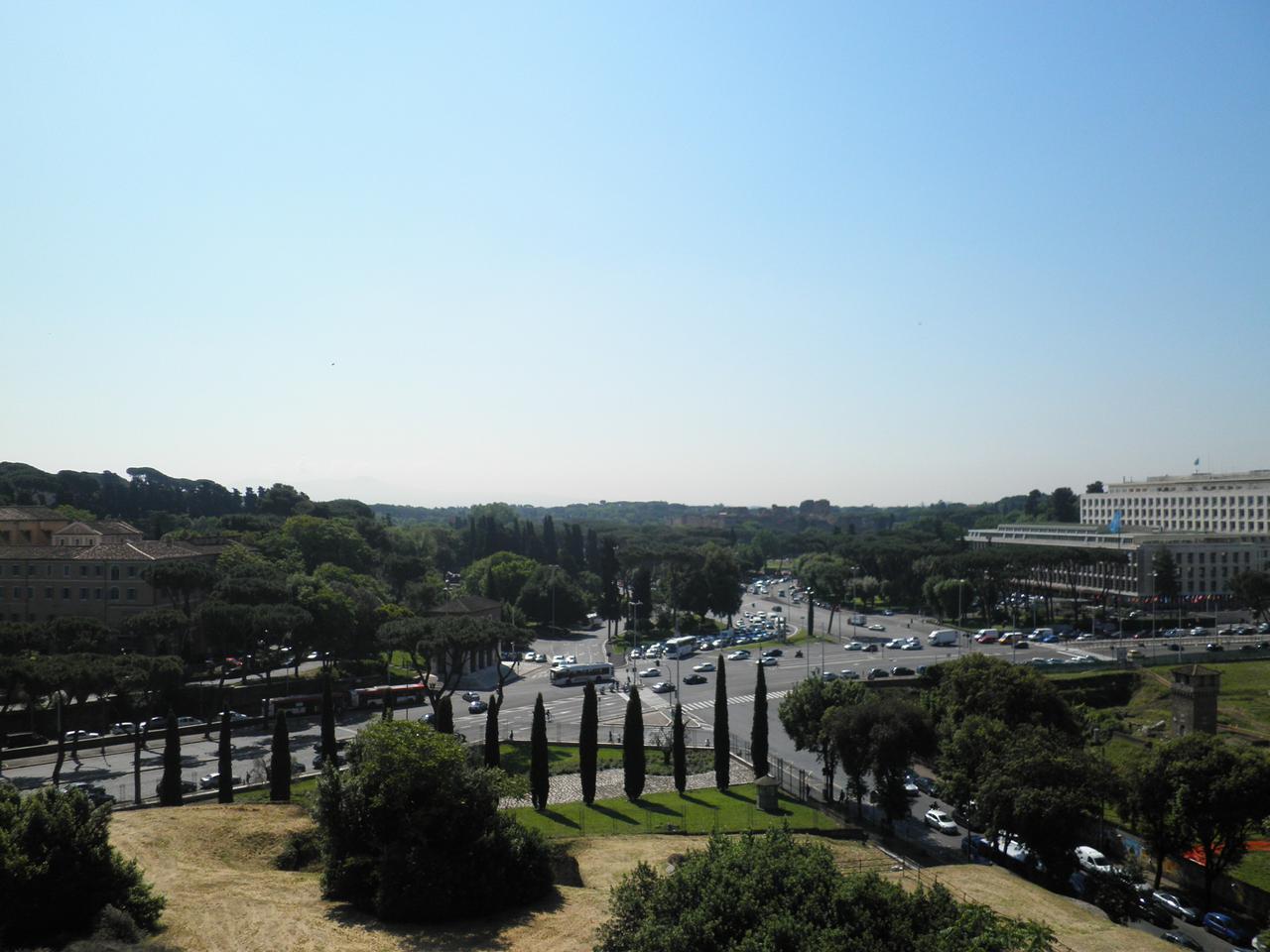
The gate that rained
Where this road comes out on the valley of the Circus Maximus stood the Porta Capena, the gate through which the Via Appia left the city, and an aqueduct ran over the top of it that leaked.
The Appia was laid out in 312 BC by Appius Claudius and eventually ran all the way to Brindisi, on the heel of the boot. Anyone travelling south started here, and anyone arriving from the south saw the city from this spot. The poet Juvenal described the place as the gate that rained in heavy drops, because the water of the Aqua Marcia was carried straight across it.
Of the gate itself there is nothing left above ground. The emperor Caracalla tore the whole area open for his baths further along, and the city boundary moved to a new gate in the wall of Aurelian.
In the middle of this square, between 1937 and 2005, stood a stone that should never have been here. Italian troops took a stele of twenty-four metres, more than seventeen hundred years old, from Axum in Ethiopia, and on 28 October 1937 it was unveiled on this spot, on the fifteenth anniversary of the March on Rome and directly in front of the Ministry for Italian Africa. Italy promised in 1947 to give it back and only did so in April 2005, in three pieces and by cargo plane.
From this point you can see the valley of the Circus Maximus open up, with the Palatine on your right and the Caelian behind you.
From here we cross the square westwards, until the long open field of the Circus Maximus begins on our right.
Any feedback for this story?