Ladies Antislavery Committee
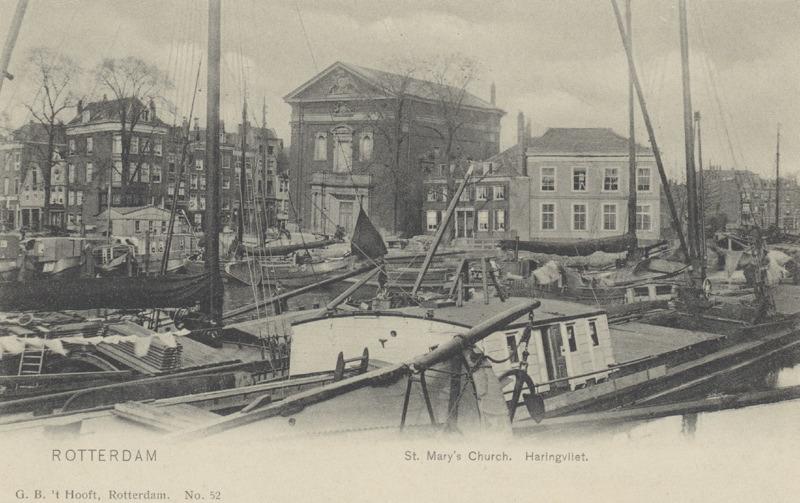
A few steps from the Slavery Monument, in the harbour district where Rotterdam's ships set sail for the colonies, a letter from 1842 belongs. That year, a hundred and twenty-nine Rotterdam women addressed King Willem II directly, asking him to abolish slavery, at a time when women had almost no voice in public life.
They called themselves the Ladies Antislavery Committee, following the example of the English abolitionists. Rotterdam was home to many British merchants and Quakers, and through them those ideas were already known here. The Quakers held fast to equality and non-violence, and fought actively against slavery. In their letter, the women described slavery as a system that reduced people to mere tools, with particular attention to what it did to women.
They found support within the city itself. Willem Cornelis Mees, a lawyer and teacher, breathed new life into the movement around 1840 and joined the Rotterdamsch Comité against slavery. In that same year, 1842, more than a hundred and twenty-five thousand people signed a petition to the king.
Willem II promised change in the future, which stayed mostly vague. The pressure held, and in 1862 came the decision that slavery in the Dutch colonies would be abolished on 1 July 1863, the day remembered ever since as Keti Koti.
Any feedback for this story?