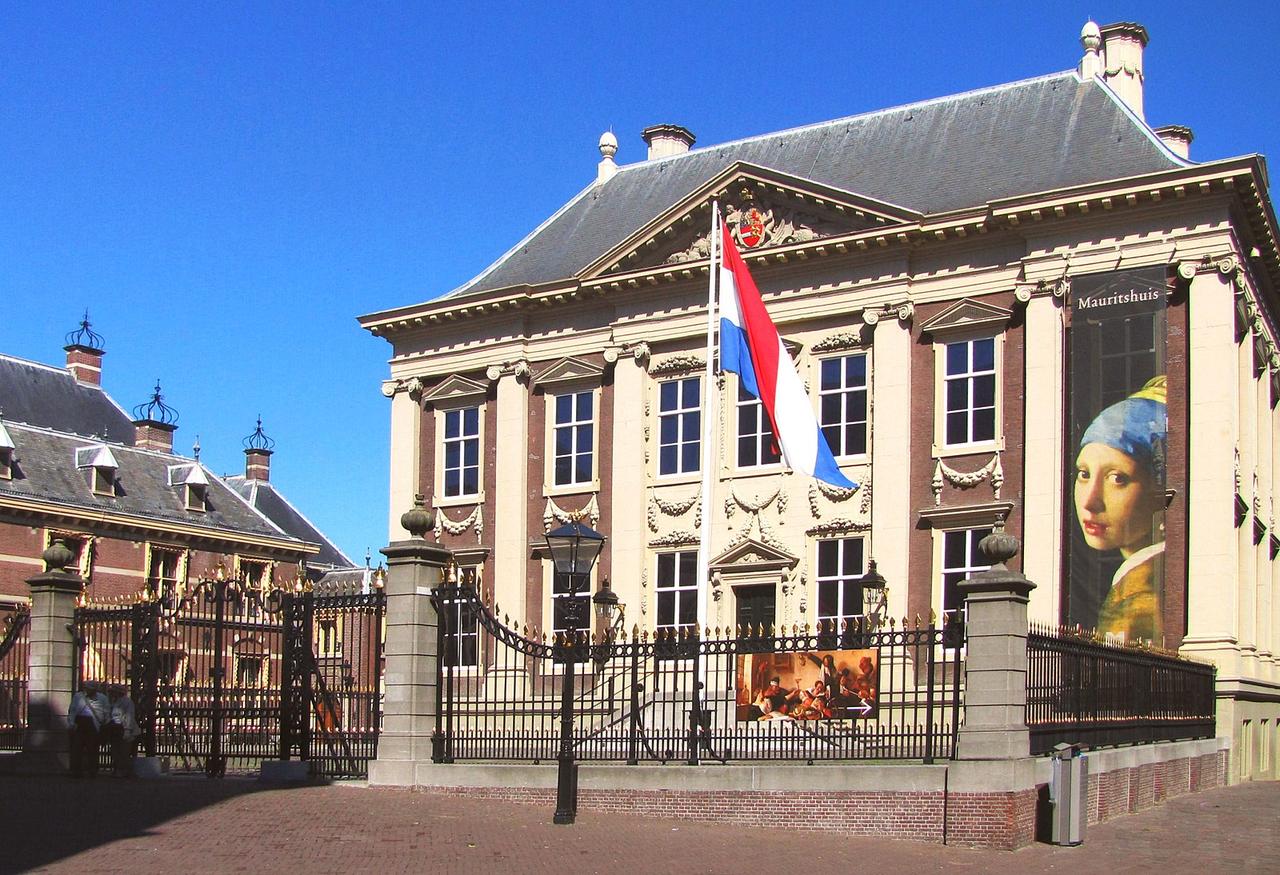
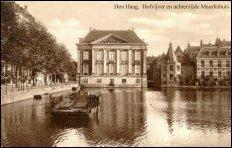
The Mauritshuis, the Sugar Palace
The house on the Hofvijver picked up a nickname in the seventeenth century, and it was not meant kindly. Directors of the West India Company called it the Sugar Palace.
Johan Maurits of Nassau-Siegen had it built while he was on the other side of the ocean, serving as governor of Dutch Brazil. That colony ran on sugar, and the sugar ran on the labour of enslaved Africans. His salary alone cannot account for what the house cost, and where the rest of the money came from is still being traced in the archives. He returned in 1644 to a finished building and lived in it only briefly.
Almost nothing he brought back has survived. On the evening of the twenty-second of December 1704 a careless servant started a fire that gutted the entire interior. What hangs inside today comes from a completely different collection, the one assembled by the stadholders.
The most famous painting arrived much later. In 1881 a collector named Des Tombe bought a filthy canvas at a Hague auction for two guilders, plus thirty cents in auction fees. Cleaning revealed a signature underneath. It has hung here since 1902.
The next stop stands on the far side of the Hofvijver: the little tower at the water's edge, seen best from the Lange Vijverberg.
Any feedback for this story?