The Working Beach of Scheveningen
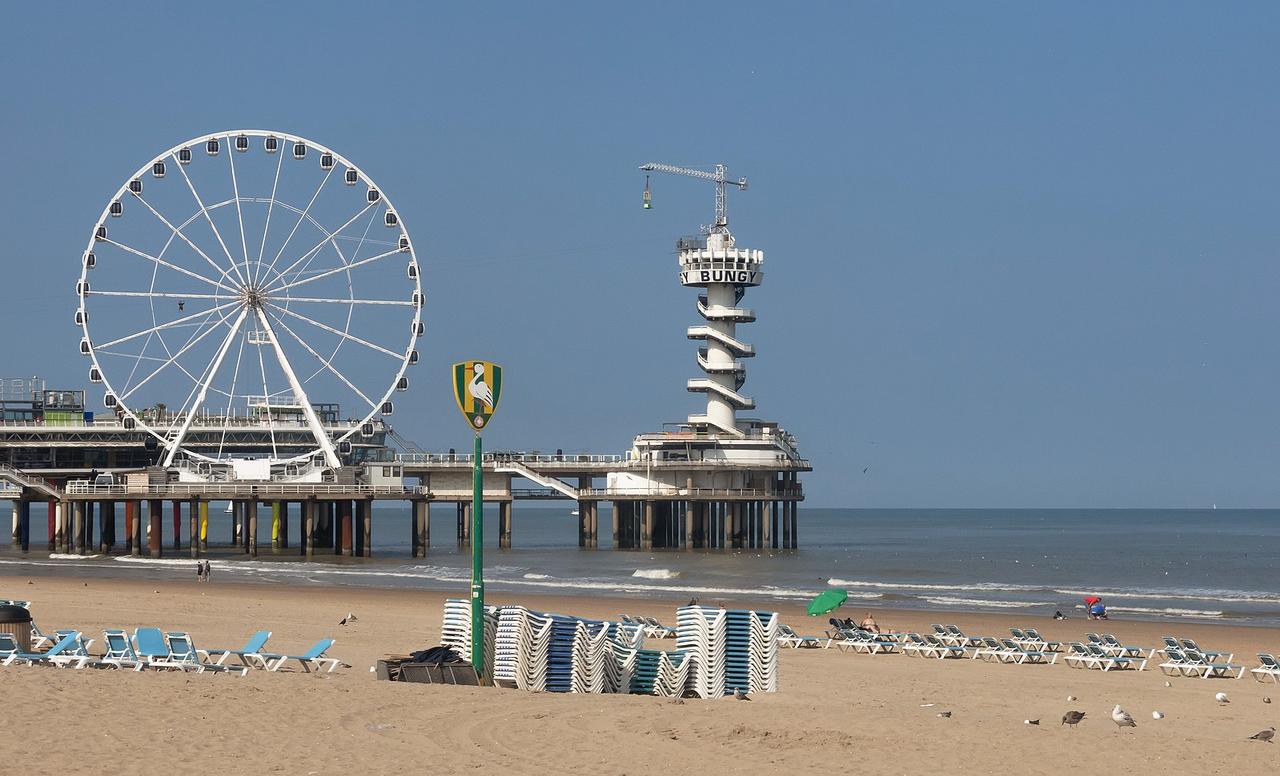
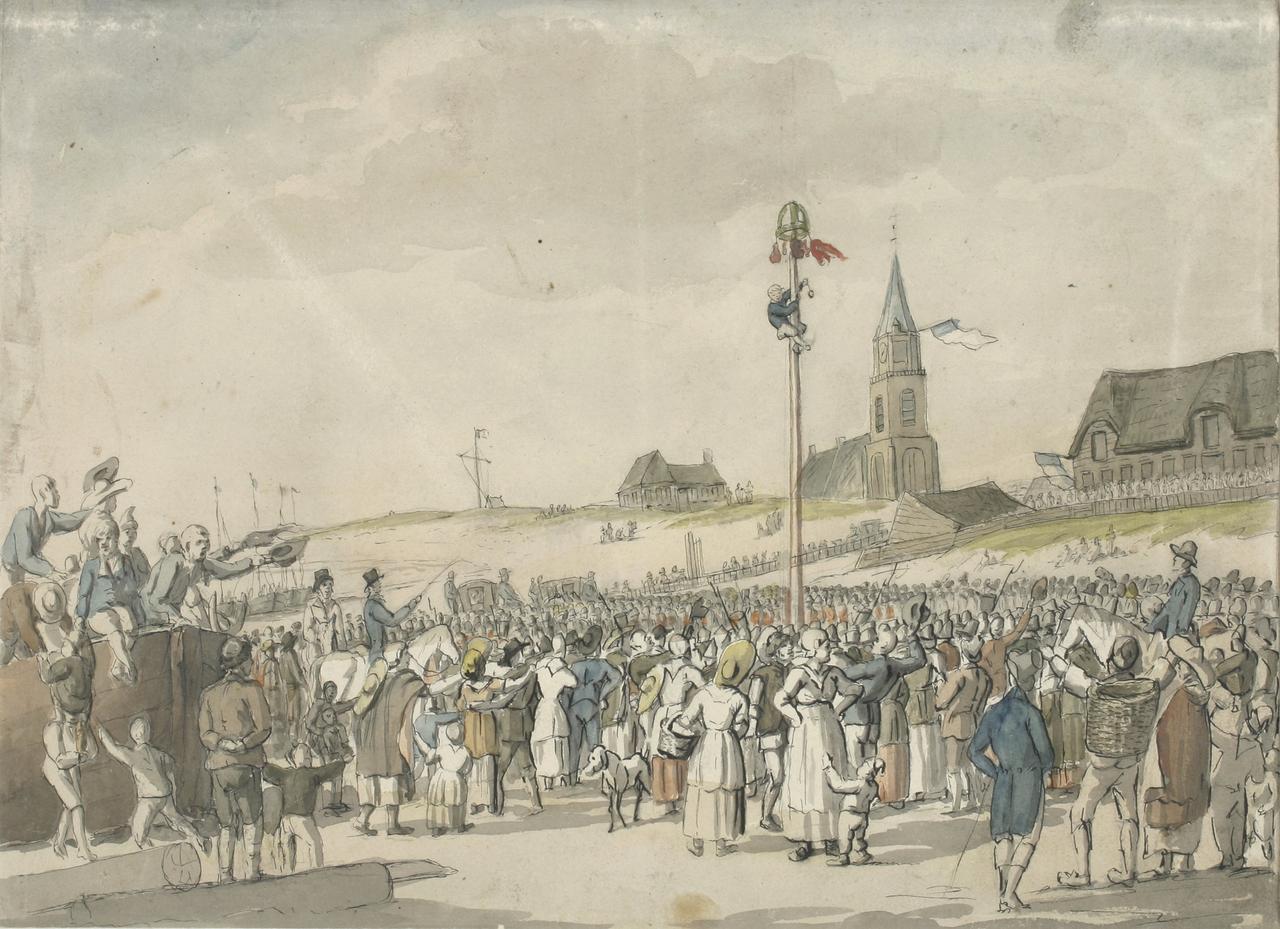
For most of its history this stretch of sand was a workplace. Scheveningen had no harbour until the early twentieth century, so the flat-bottomed herring boats were run straight up onto the beach, unloaded by hand and hauled back into the surf by horses. Fish carts then left for the market in The Hague along paths worn through the dunes.
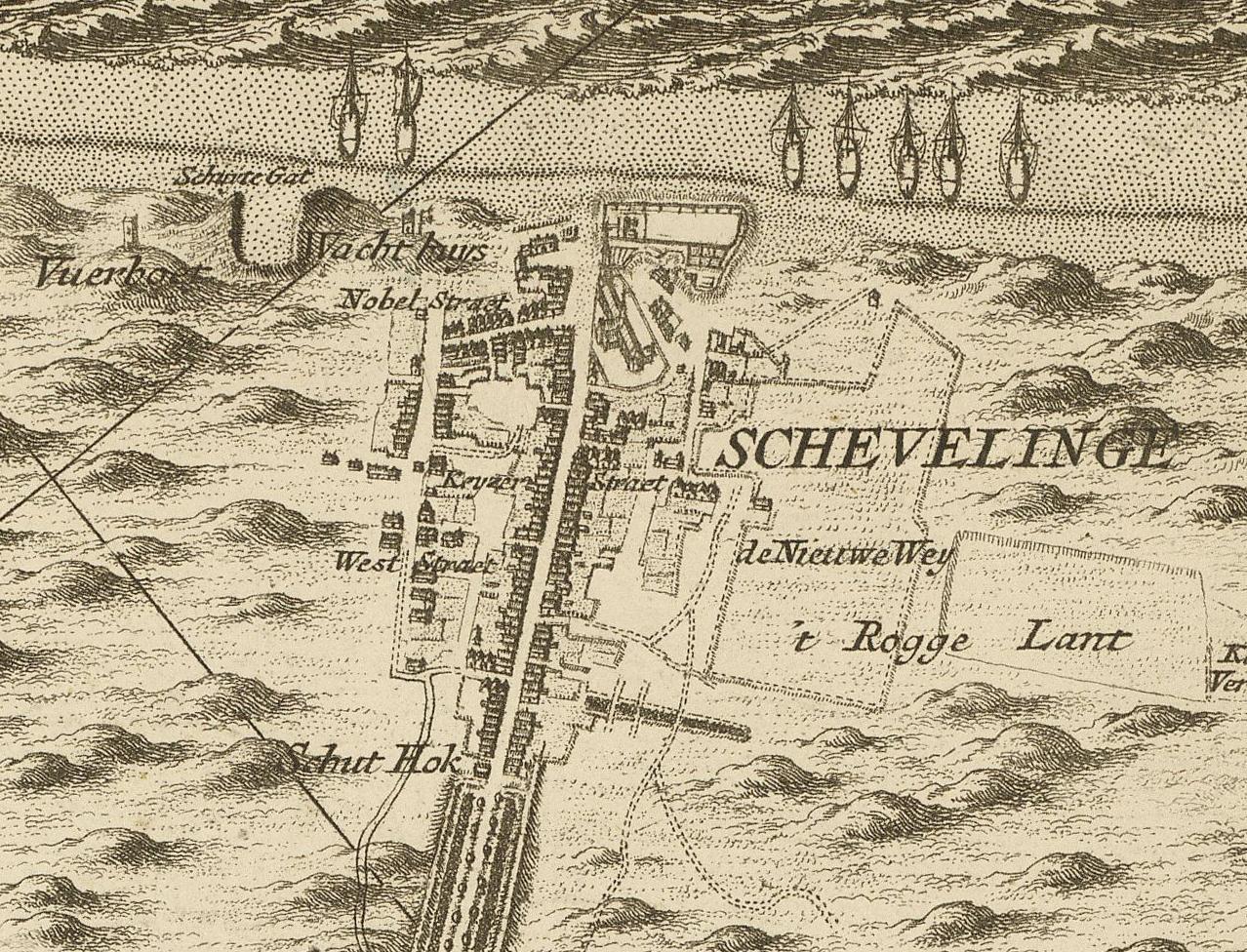
The village behind the beach was old. Its name first appears in the records in 1287, written as terram de Sceveninghe, and by the fifteenth century it held roughly a fifth as many people as The Hague itself.
That working coast was interrupted in the Second World War, when the German occupiers declared Scheveningen a Sperrgebiet. Entire streets were demolished to clear a field of fire across the beach, and in the older parts of the neighbourhood those gaps are still legible.
The fishing culture outlasted all of it. Every spring, on Vlaggetjesdag, the village turns out in traditional dress to welcome the first herring of the season, and the first barrel is auctioned for charity.
The next stop stands a few paces inland: the Kurhaus, the white bathing hotel behind the boulevard.
Any feedback for this story?