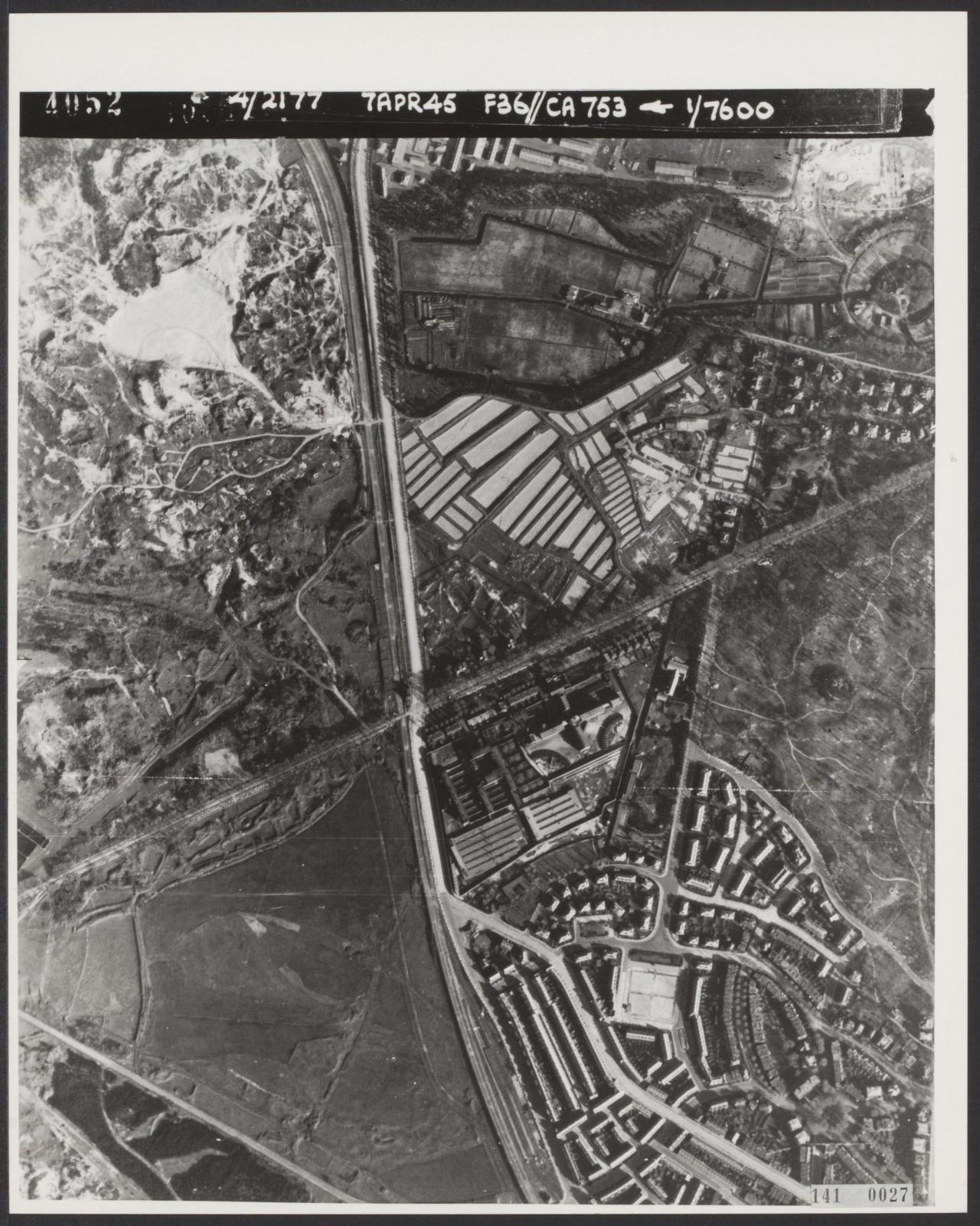
The Orange Hotel and cell 601
In 1940 the occupier took over the cell blocks of the Scheveningen prison and used them as a police prison. During the war the building was already being called the Orange Hotel, after the resistance members held there.
Between the occupation and the liberation more than twenty-five thousand people were imprisoned here, from all over the country. Resistance members, Jews, Roma and Sinti, Jehovah's Witnesses, communists and black market traders, whose offences took on a political weight in these years. Most stayed one to three months, sometimes four or five to a cell. Release, transfer to a camp or a sentence followed.
Prisoners under sentence of death spent their last days in cell 601. The cell held a wooden bunk, a stool and a bucket. Those held there were allowed to write farewell letters. Texts scratched into the walls were restored after the war.
More than two hundred and fifty prisoners were taken from here into the dunes and shot. Since 2019 the cell block has been a memorial centre and museum.
From here the Van Alkemadelaan runs on into the dunes. On the north-eastern side of the avenue, at the edge of the military training ground, stands a long concrete wall. That is what the next stop is about.
Any feedback for this story?