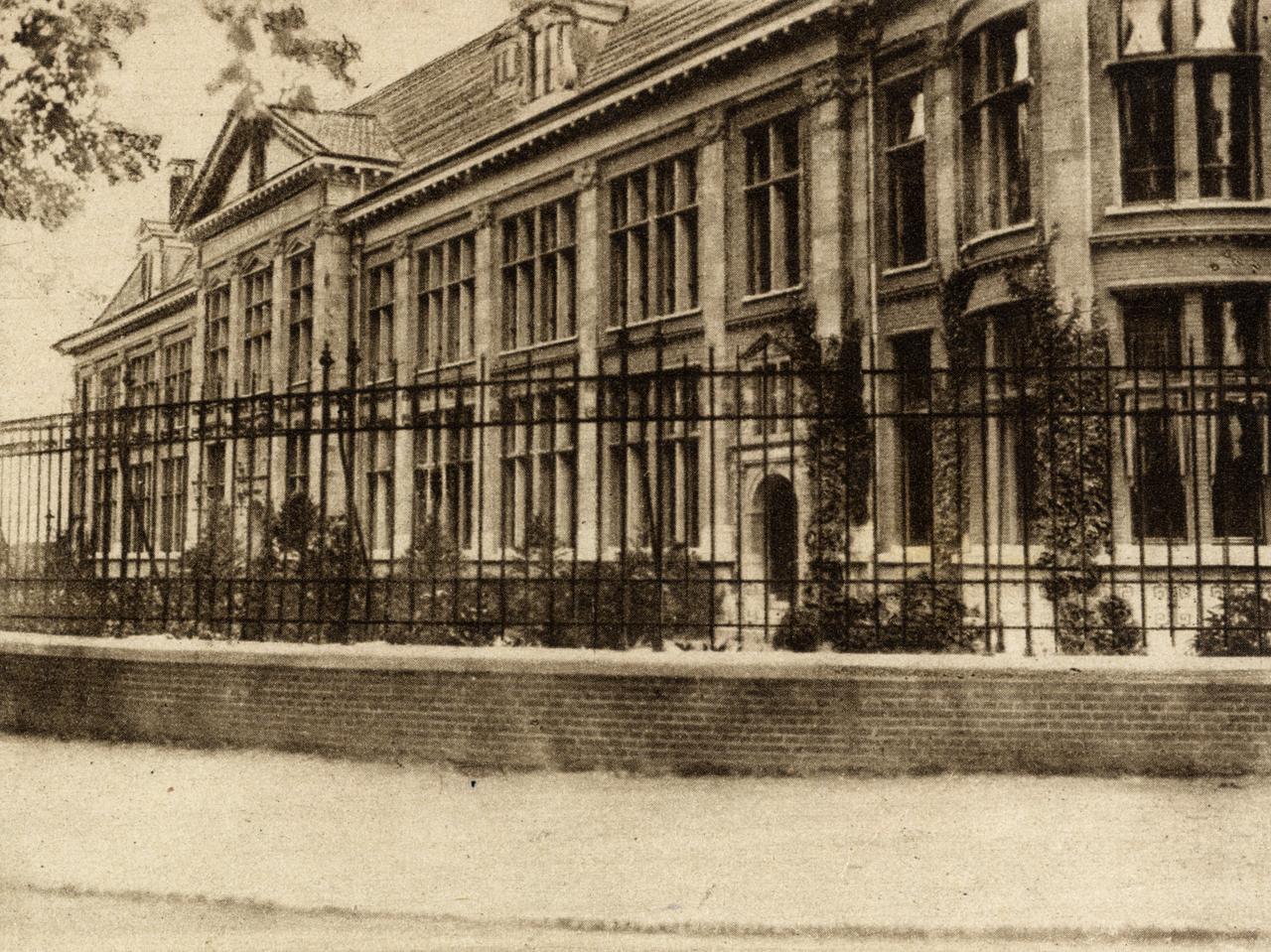
The Mint
In 953 the bishops of Utrecht were granted the right to strike coins. That right normally belonged to kings and emperors, which says enough about how much power sat here.
For centuries the work was done by hand, in changing premises around the city. From 1647 to 1910 the mint occupied the former St Cecilia convent on the Oudegracht. In 1806 a single national mint was created, and the machine arrived with it.
When the convent became too small the company moved to this former sugar factory on the Leidseweg, with water access towards Amsterdam for bringing in metal. The finance minister signed off on it in 1908.
The building has something of an embassy about it, which makes sense for a place where money is kept. Behind that front stood the presses that struck every Dutch coin.
Since 2020 that no longer happens here and production has moved to Houten. A whole building for cash, in a country where cash is used less every year.
There is far more to Utrecht than this one spot. Start one of our walking routes!
Any feedback for this story?