Griftpark
Beneath the playground, the skate bowl and the city farm lies one of the most heavily contaminated patches of soil in the Netherlands.
From the middle of the nineteenth century, Utrecht dumped its household waste here, and from 1860 the municipal gasworks on the same ground turned coal into town gas. That went on for almost a century. After natural gas was found near Slochteren, the works closed at the end of the nineteen-fifties and the site was left empty.
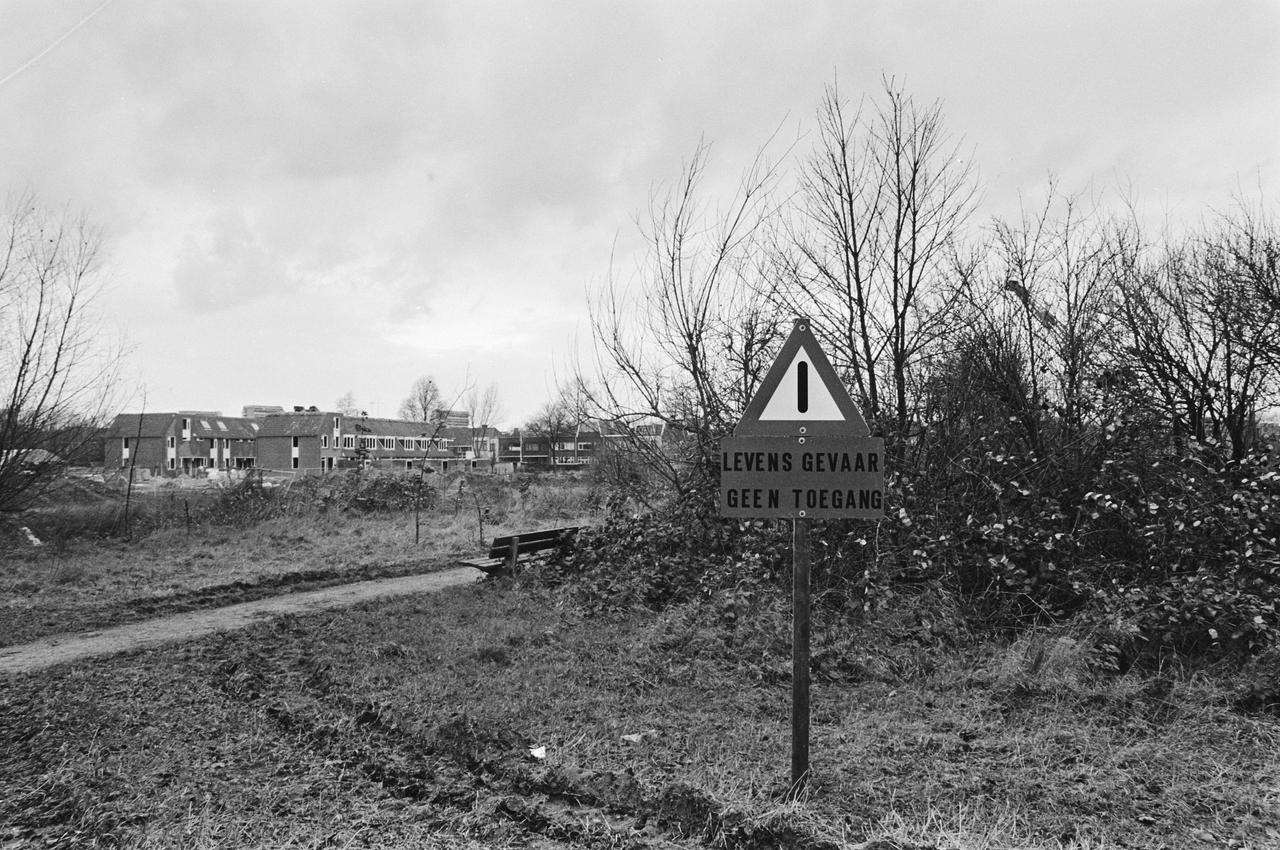
Local residents campaigned for a park, and work began in 1979. A year later came the discovery: the ground was saturated with residue from gas production. Fences went up, and for fifteen years the people of Utrecht called it the Gifpark, the poison park.
The answer was to seal the contamination in. An impermeable clay layer sits underneath it, concrete walls run some sixty metres down around it, and gravel, sheeting, sand and clean soil were laid on top. The groundwater below is pumped up and purified, and it still is today. The park opened in 1999, with trees the neighbours planted themselves.
Then came a surprise. A bacterium living in that soil turned out to feed on the pollution. It now has a name of its own: the Griftpark bacterium.
Curious what else lies under Utrecht? Try one of our walking routes through the city.
Any feedback for this story?