The Railway Museum
The Railway Museum sits in a station that exists because of a disagreement. Around 1870 the Hollandsche IJzeren Spoorweg-Maatschappij wanted to link its line in Utrecht to the track of its competitor, and permission was refused. So the company built a station of its own, in the middle of a walking park by the Maliesingel. Residents protested about the loss of their greenery and the noise of the trains.
Maliebaan Station opened on 10 June 1874, neoclassical in style and, as paint analysis later revealed, originally painted pink. Nobody wrote down who designed it. It was probably A.L. van Gendt, who until that same year worked for the competitor, which would explain the silence.
For ten years business was good. Trains left here for Antwerp, Brussels and Paris. Then a halt opened on the Biltstraat and the platforms grew quiet, until the station closed to passengers in 1939. During the war, twelve hundred Utrecht Jews were deported from this place. After the liberation the building served for a while as a lost property office.
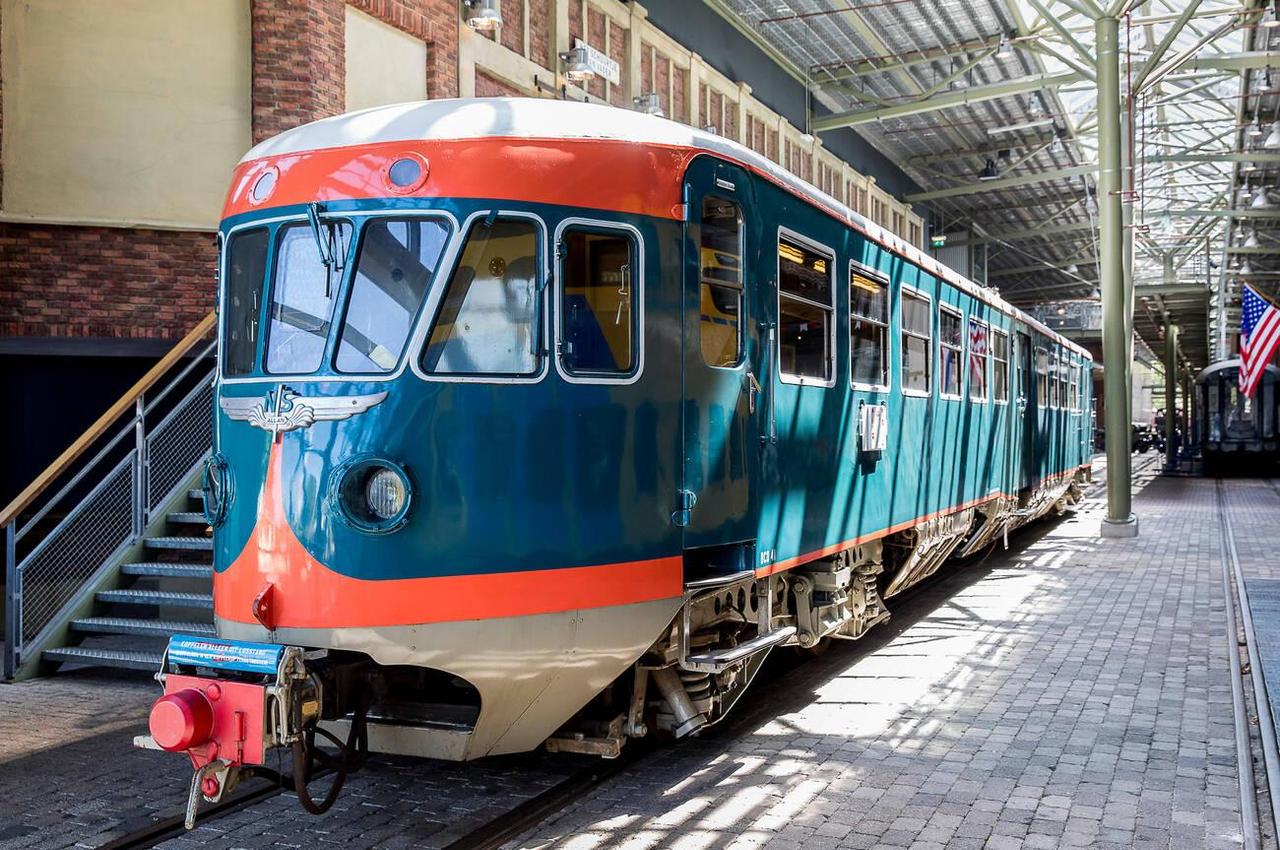
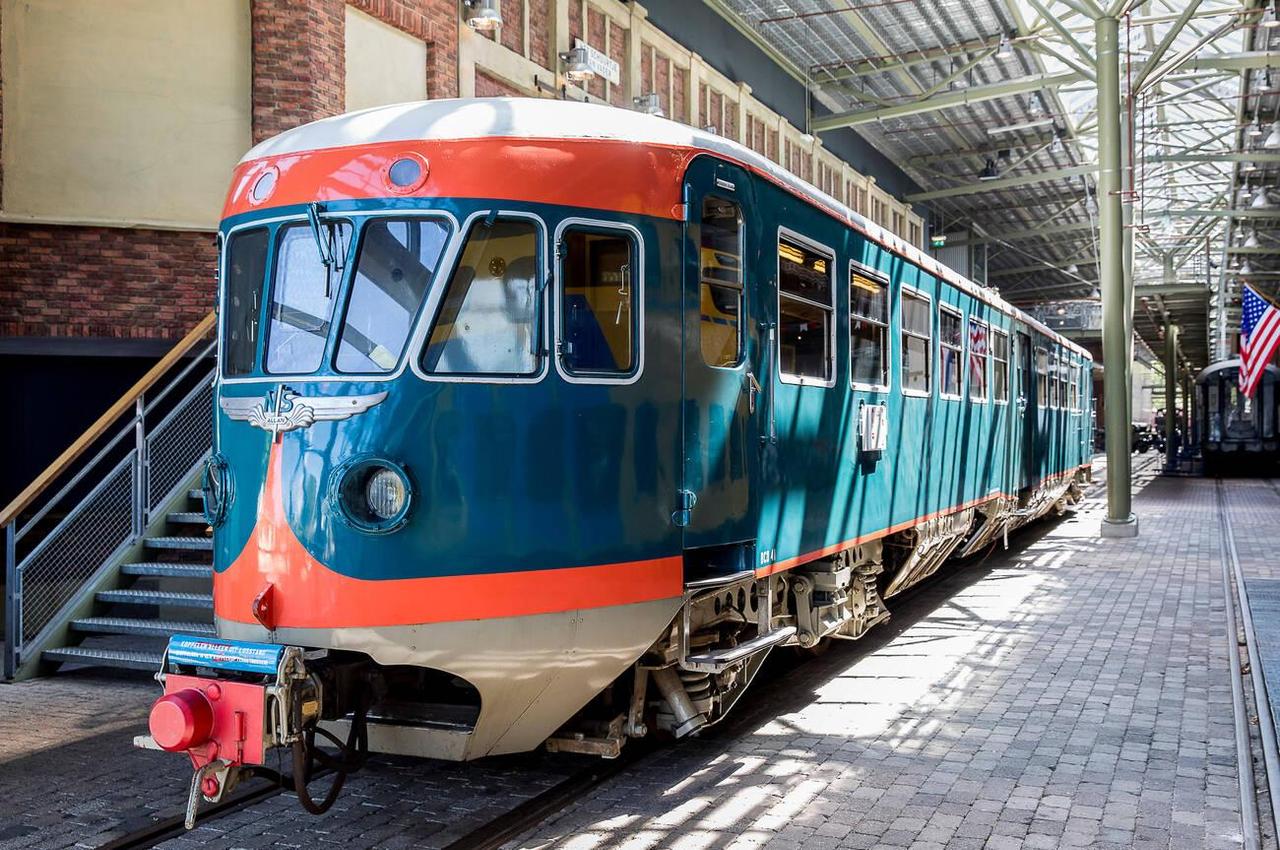
In the nineteen fifties the museum moved in, and since the restoration of 2005 the station looks as it did in 1874 again.
Want to see the city for yourself? Our walking routes through Utrecht are in the app.
Any feedback for this story?