The man who refused
On the fifteenth of July, Ernst Rüdiger von Starhemberg was offered the chance to surrender the city, and he turned it down.
He had fewer than twenty thousand men against an army of well over a hundred thousand, so his refusal was a gamble on two things: on the walls, which had been heavily reinforced after the first siege, and on a relief army that had not yet arrived and might never come.
What followed was two months of holding on, while dysentery ran through his garrison, the gunpowder dwindled, and he fired flares from the tower of the Stephansdom, Vienna's great cathedral, hoping someone outside the city would see them. When it was over, the emperor made him a field marshal.
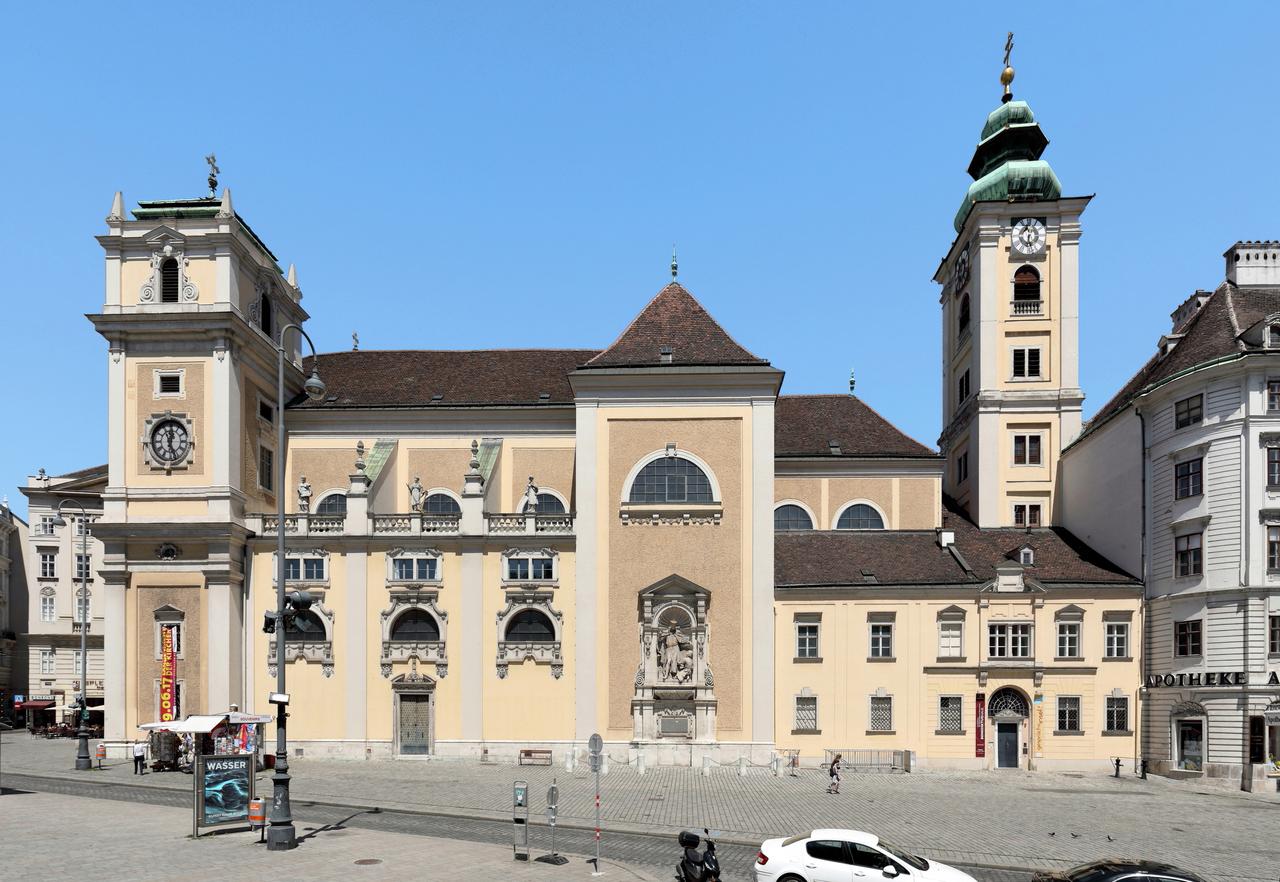
Starhemberg lies buried here, in the crypt beneath the church, and his tomb was restored a few years ago with money raised by a walk from Tulln to this square, exactly the route the relief army took in 1683.
The square itself is called Freyung because the monastery next door was allowed to shelter fugitives, since anyone who reached the courtyard was safe from the city magistrate for the time being. The monks, as it happens, came from Ireland, which in medieval Latin was called Scotland, and that confusion has been stuck in the name ever since.
The Schottengasse climbs up to the Mölker Bastei, where the last stretch of Vienna's city wall still stands.
Any feedback for this story?