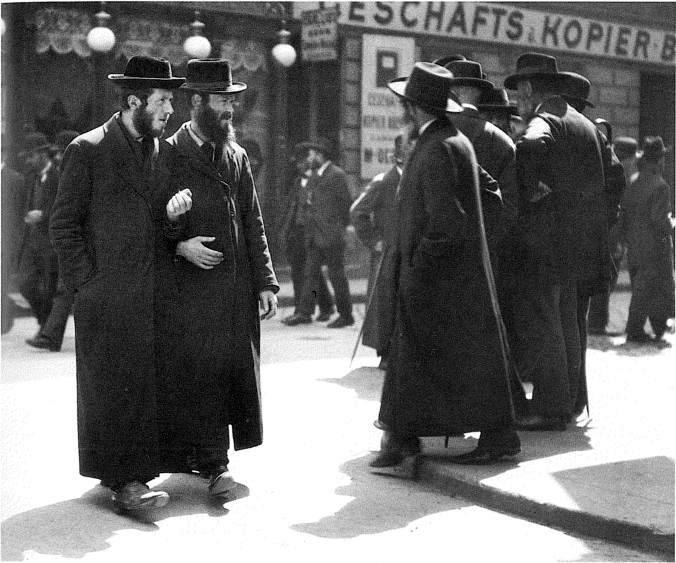
The Mazzesinsel
These streets held the daily life of the Mazzesinsel, and it was far more ordinary than the name suggests: bakers, schools, prayer rooms tucked into back houses, kosher butchers, cafés and theatres where the plays were performed in Yiddish.
Most of the newcomers came from the east of the empire. From 1865 onwards the trains from Galicia and Bukovina pulled in at the Nordbahnhof, a few streets from where we stand, and the people who stepped off often stayed in this first district behind the station. During the First World War they were joined by a wave of refugees fleeing the Russian front.
Around 1910 roughly a third of the people living in this district were Jewish, and in some of these streets the share was well over half. Rich and poor lived side by side, so in the same neighbourhood where factory owners kept their houses, whole families shared a single room.
The buildings of that world are still here, but most of the people are not. After 1945 a small number returned, and for a few decades now there has been community life in these streets again.
At the end of the street stands the church that gave the neighbourhood its oldest name.
Any feedback for this story?