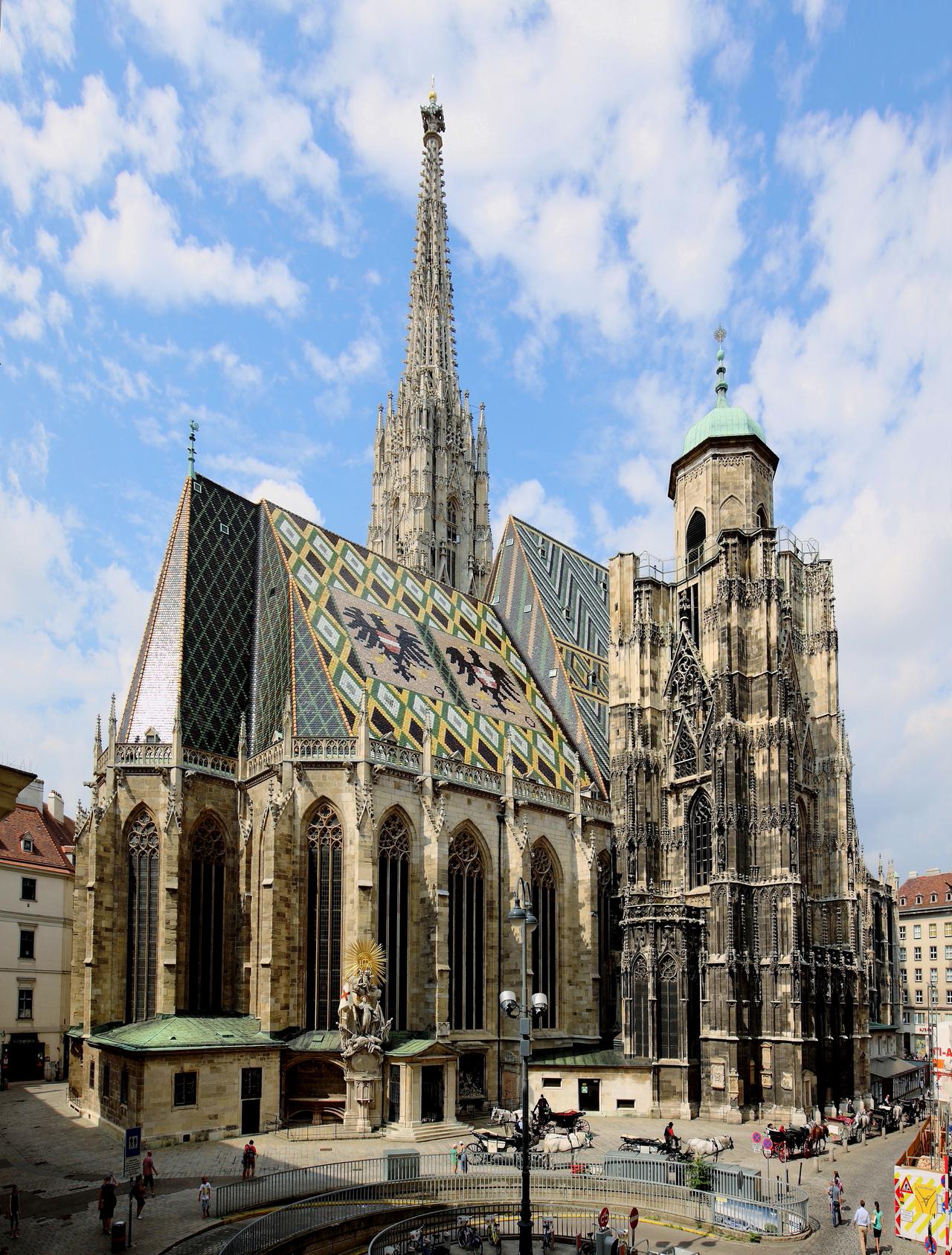
The tower that watched for rescue
High up in the south tower sat a room, and inside it a man who wasn't allowed to leave. The tower watchman looked out over the city day and night, rang the bells when fire broke out and sounded the alarm at anything approaching from outside, and this watch was kept here right up until the middle of the twentieth century.
In the summer of 1683, that was the church's most important job. From this tower, watchers kept an eye on the hills, because that was where the relief army had to appear, and on the night of the eleventh of September they finally saw what they had waited two months for: fires on the Kahlenberg. From the very same spot, Starhemberg, the commander holding the besieged city, had flares fired into the sky, so that everyone outside could see Vienna was still standing.
The victory hangs in the north tower today. The Pummerin, the heaviest bell in Austria, was cast in 1711 from the bronze of captured Ottoman cannon, so the very guns that pounded the walls now call people to Mass. That first bell was lost in the fire of 1945, after which it was recast from its own fragments.
You only hear it a few times a year, and on New Year's Eve half the country is listening along.
The Rotenturmstraße runs north from the cathedral, and that is where something began that made Vienna more famous than the siege ever did.
Any feedback for this story?