The History of the Jordaan
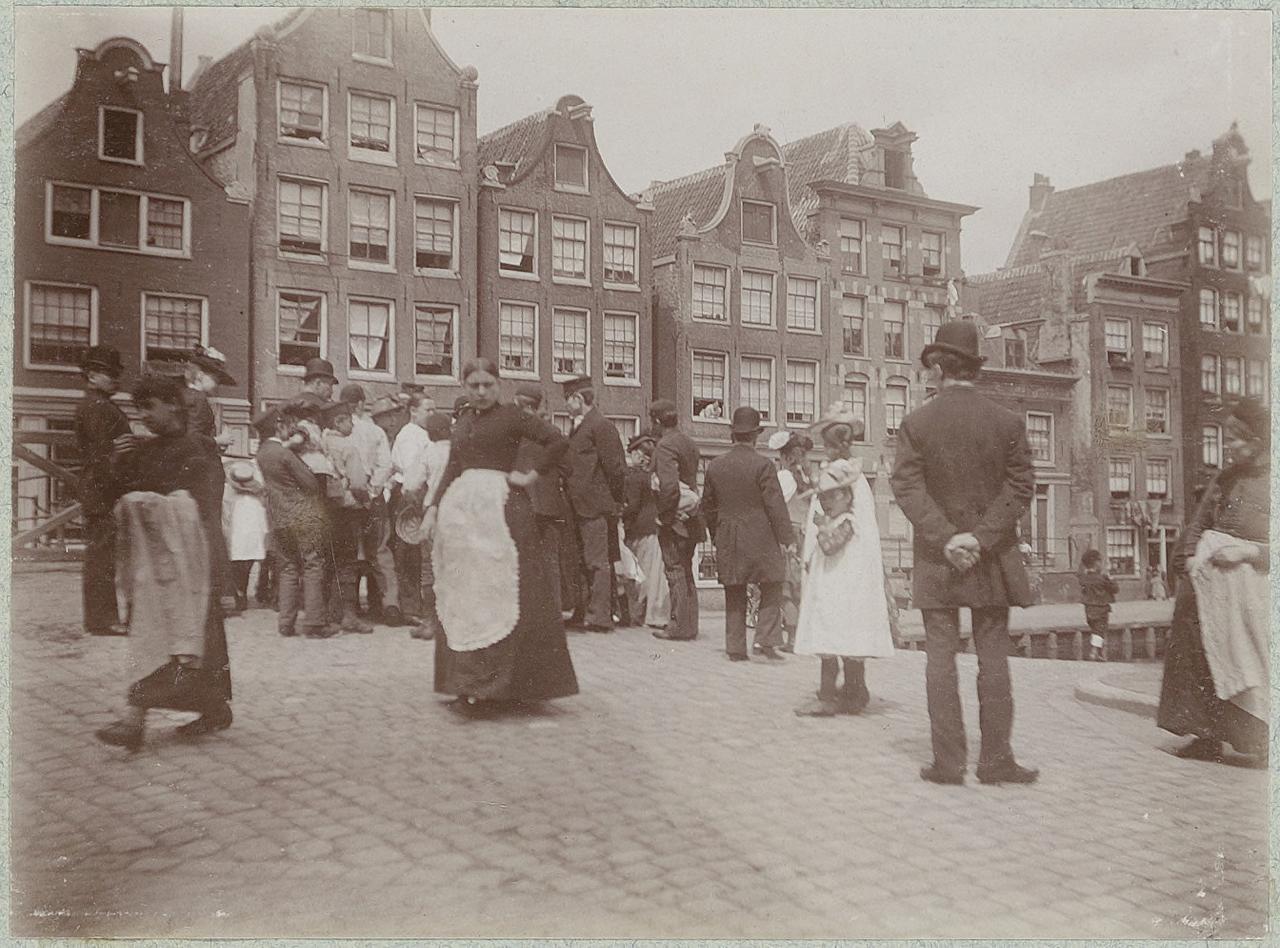
The broad, busy road you have just crossed sits awkwardly among the narrow lanes around it, and that is because the Rozengracht really was a canal. The Jordaan had eleven of them, and several were filled in to get the stench and the disease under control. Wherever a street here suddenly has room to breathe, there used to be water.
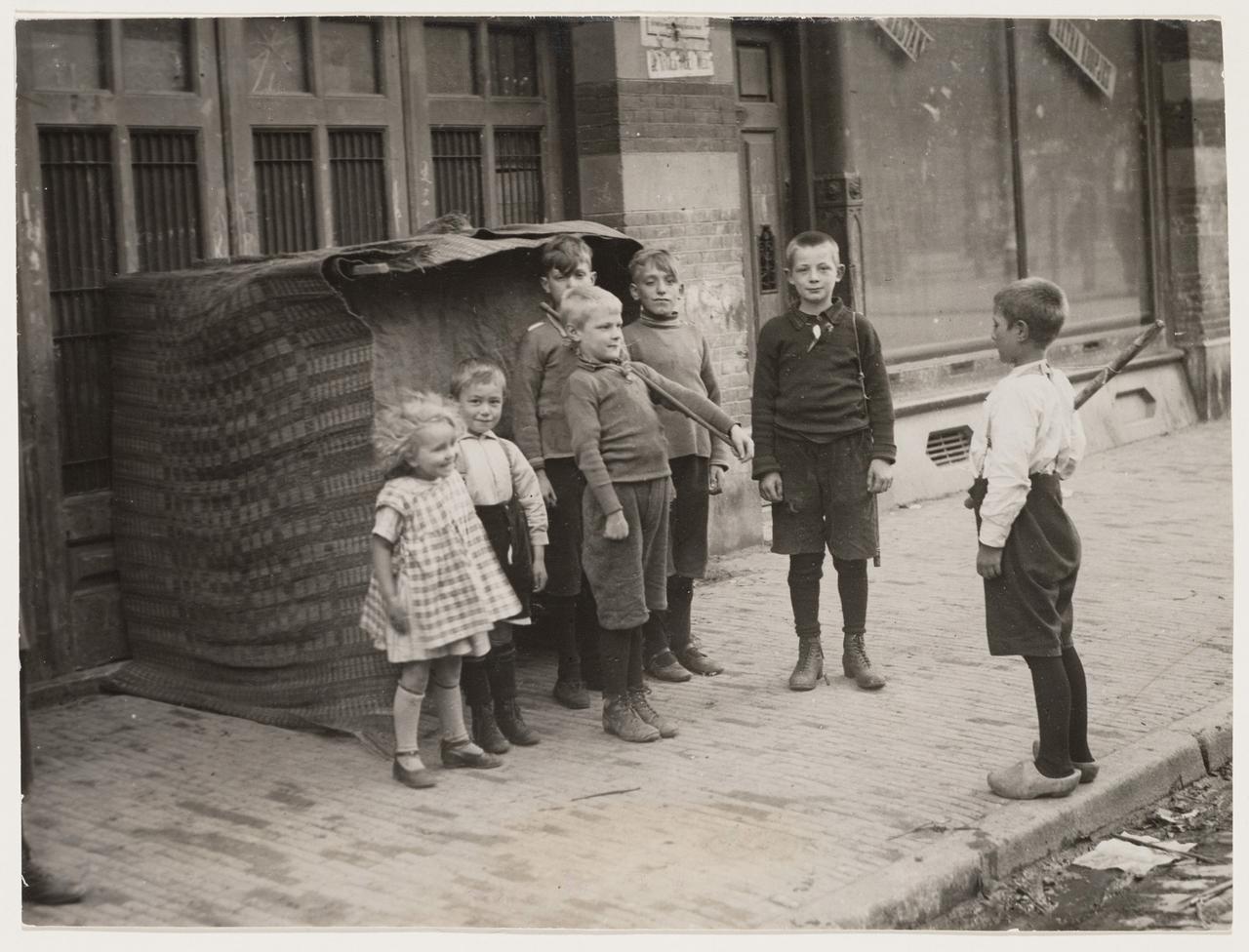
When the district was laid out in the seventeenth century, the wealthy got the ring of canals and the Jordaan took everyone else. Houses stood packed against one another, alleys were barely wide enough for two people to pass, and the water outside the front door served as an open sewer. The smell alone must have been overwhelming.
By the nineteenth century things had grown worse still, with foundations sinking into the soft Amsterdam ground and buildings collapsing under their own weight, while whole families lived in damp rooms that barely saw daylight.
In the nineteen sixties the city wanted to flatten a large part of the neighbourhood. The residents fought back and won, artists and students moved into the emptied houses, and only later came the people with deeper pockets. The Jordaan you are walking through owes its survival to that quarrel.
We carry on to the end of the Rozenstraat, turn right into a side street and keep going until the water of the Bloemgracht opens up ahead of us.
Any feedback for this story?