The Raepenhofje
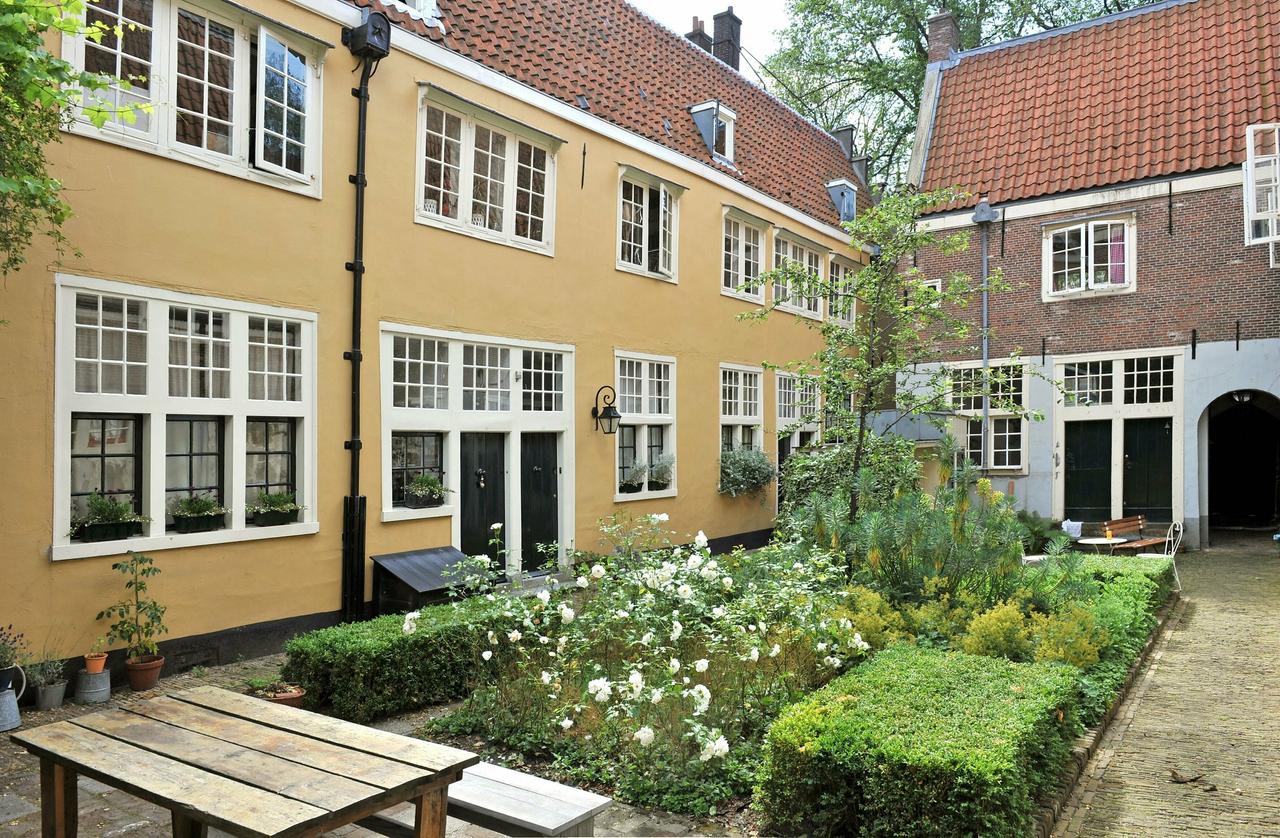
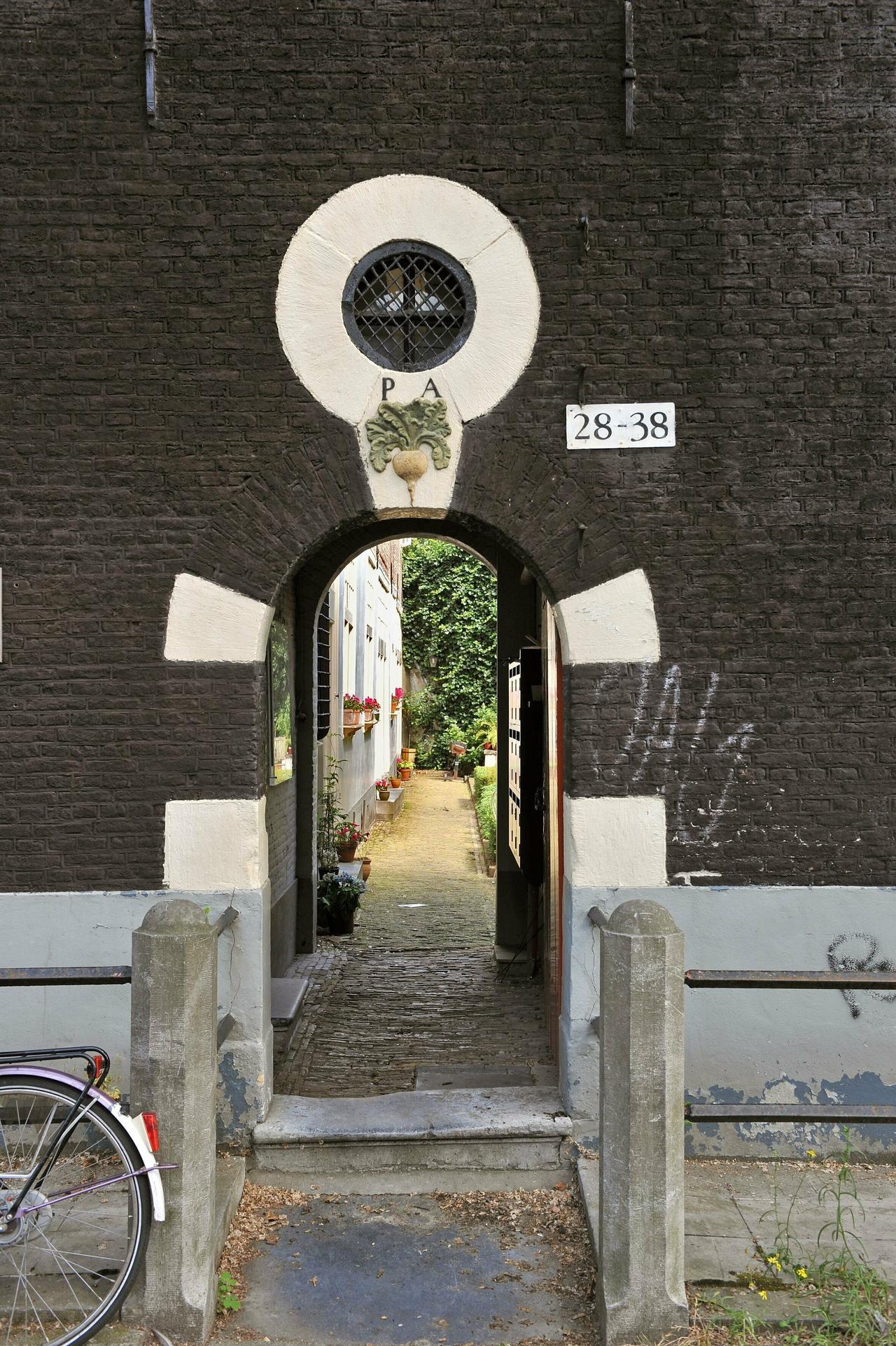
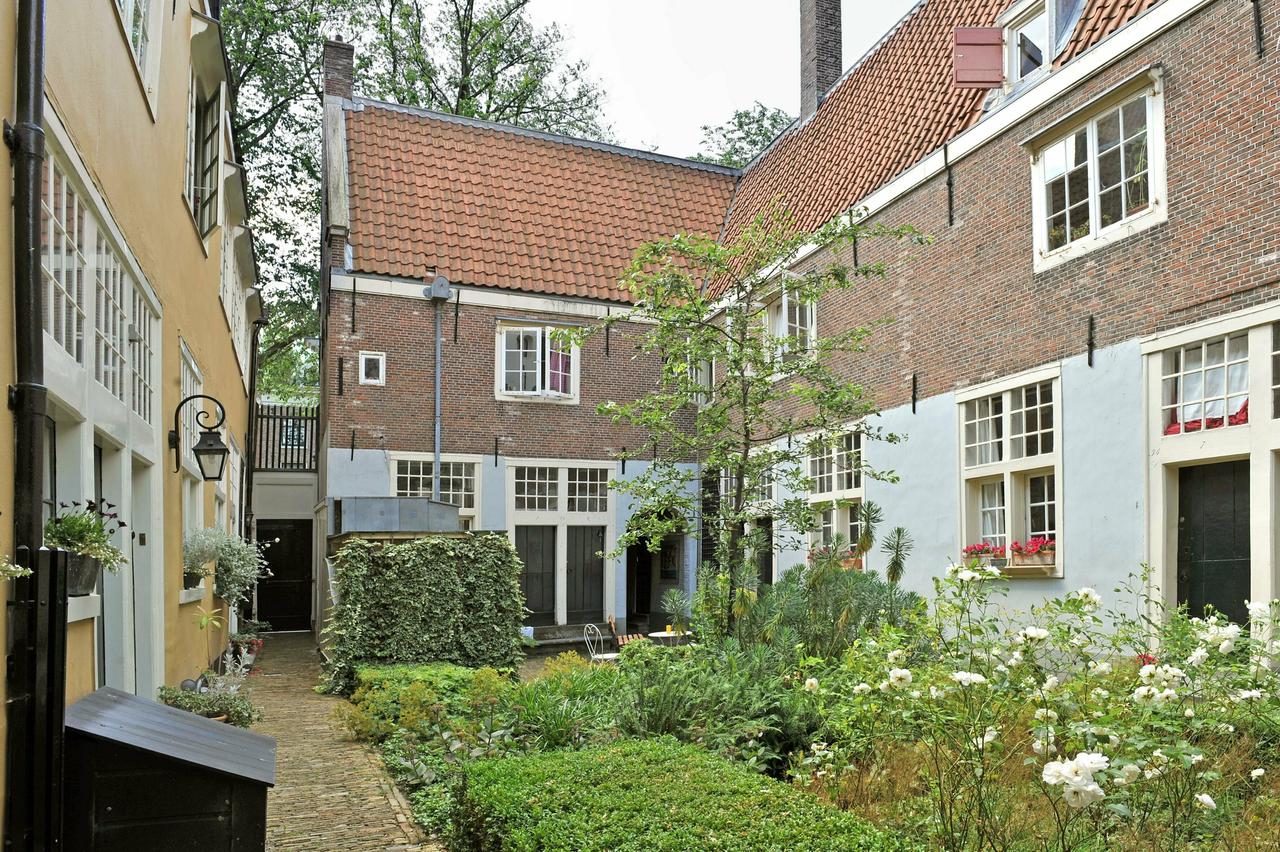
The door in front of you looks like every other door in the street, and behind it lies a courtyard with small houses around it. This is the Raepenhofje, and you can usually walk straight in. People live here, so this is a place for a quiet voice.
Courtyards like this were built by wealthy citizens who decided, while drawing up their wills, to leave something behind, partly out of charity and partly out of self-interest, since anyone who housed widows and poor women could hope that God would take note. Amsterdam has fifty-six of them, the oldest survivor dating from 1614, built shortly after the Jordaan itself was laid out. Some belong to churches, others to private foundations, and many have been converted into ordinary flats.
What makes a hofje remarkable is the difference between outside and inside. You step through a door and the sound of the city drops away, leaving cobbles, small gardens and a quiet that is unfindable a few metres further on.
This is the end of this walk through the Jordaan. The starting point lies a good kilometre to the south, so anyone walking back along the Prinsengracht will be standing among the statues on the Johnny Jordaanplein again in about twenty minutes. The Brouwersgracht is just around the corner to the east, and from there it is roughly a quarter of an hour to Central Station.
Two streets back, the red awnings of Cafe Nol hung out over the pavement. In our walk De Bruine Kroegen we actually go inside a handful of those cafes. And the tower you saw rising above the roofs halfway through returns in The Small History of Amsterdam, which follows the city from fishing village to world port.
Enjoy the rest of your day in the Jordaan, and if a window stands open somewhere later on and somebody is singing, you will know where that comes from.
Any feedback for this story?